Use only the official support page for fifine am8 software download; many USB audio products work without a separate driver.
I installed the FIFINE Genie software for an AM8 microphone on an older laptop and the installer hung at the driver step until I ran it in compatibility mode for an earlier Windows version. That workaround got the mixer controls working properly.
This guide separates identification, compatibility, setup and troubleshooting. That order prevents common mistakes such as using the wrong driver, software package, cable, amplifier or product revision.
The label on the product is the final reference. Retailer titles can shorten a name, combine accessories or omit a suffix that changes compatibility.
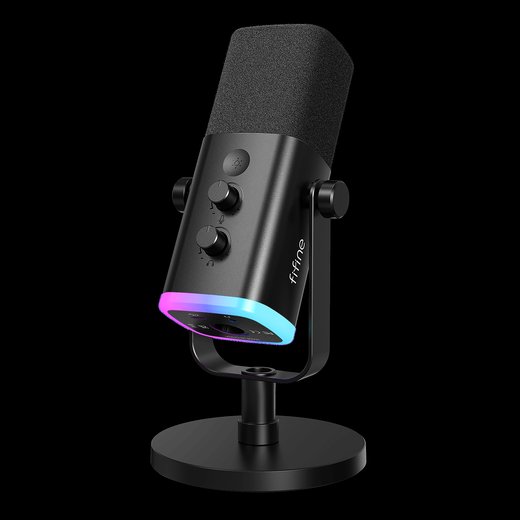
Fast setup checklist
Confirm the exact product and operating system.
Connect directly with a known data-capable USB cable.
Check the operating-system audio or device settings.
Download software only from the official manufacturer page.
Specifications and compatibility checks
| Area | What to confirm |
|---|---|
| Product check | Match the complete model before downloading |
| Basic operation | Most USB audio works through standard system audio |
| Official support | Use only the manufacturer download or compatibility page |
| Connection | Use a real data cable and direct port |
| Validation | Record a local test after installation |
Published specifications describe a reference package. Retail bundles may include another cable, stand, adapter or accessory. Verify the complete kit instead of relying on a short title.
Match electrical and mechanical requirements. USB audio needs a data cable, XLR microphones need a suitable interface, and headphones need a source with enough clean output for their impedance and sensitivity.
Safe setup sequence
- Confirm the exact product and operating system.
- Connect directly with a known data-capable USB cable.
- Check the operating-system audio or device settings.
- Download software only from the official manufacturer page.
- Restart and select the correct input or output.
- Record or play a local test before opening streaming software.
Make one controlled change at a time and repeat the same test. This prevents a second fault from hiding the original problem.
Do not force a connector, headband slider, earphone socket or mounting thread. Stop when parts do not align easily and verify the model and orientation.
Identify the exact version first
Read the complete model code on the device, cable, package and any receiver or adapter. Record suffixes, connection type, firmware version and regional information. A small extra letter can identify different hardware.
Compare the product with the linked source pages. Check buttons, ports, headband, ear pads, microphone capsule, included cables and accessories. Similar appearance does not prove software or electrical compatibility.
Photograph the original setup and save current settings before repair or updating. Keep the records with the source links for fifine am8 software download so the last working configuration can be restored.
Common problems and first checks
| Symptom | Likely area | First action |
|---|---|---|
| Device is not detected | Charge-only cable, bad port or wrong product | Use another data cable and direct USB port |
| Device appears but no sound | Wrong input, mute or privacy permission | Select it in Sound settings and allow access |
| Software shows unsupported | Model is not on the compatibility list | Use standard system controls instead |
| Audio drops out | USB power saving or unstable hub | Connect directly and disable power saving |
| Settings do not affect XLR | XLR path is analog | Change settings on the audio interface |
Start with the symptom that can be observed directly. Software cannot repair a damaged cable, loose socket, worn ear pad, blocked nozzle or weak power source.
Use a known-good comparison when possible. Keep connection type, volume and gain within safe limits while changing one component at a time.
Maintenance and long-term reliability
Disconnect cables before cleaning. Use a soft dry cloth on housings, controls and headbands. Keep liquids away from microphone capsules, planar drivers, earphone nozzles and USB ports.
Inspect cables, adapters, ear pads and connectors regularly. Replace damaged leads and pads that no longer seal correctly. Keep plugs clean and avoid pulling a cable by its wire.
Store fifine am8 software download in a dry area. Protect open-back headphones from dust and pressure. Keep microphones covered when unused and allow ear pads or ear tips to dry after long sessions.
Keep a service record with the exact model, software version, cable type and changed settings. Clear records make recovery and parts ordering easier.
Practical checks before regular use
Confirm that every required accessory is included or available separately. A compatible product can still be difficult to use when the correct cable, stand, amplifier, adapter or replacement pad is missing.
Test fifine am8 software download in the real working conditions. A short desk test may not reveal room noise, USB instability, amplifier limits, headband pressure or ear-pad heat that appears during a longer session.
Keep the first test simple. Remove optional software processing and effects, verify basic operation, then add one item at a time. This creates a reliable baseline.
Final validation before normal use
Complete a full power cycle and confirm that settings remain. Test every input, output, control and channel that will be used in the real workflow.
Run a longer test instead of stopping after startup. A microphone should record cleanly and a headphone or earphone should maintain balance without discomfort or unusual noise.
Write down the test condition and result. Notes such as “fails only through the hub” or “pressure starts after one hour” make later troubleshooting faster.
Frequently Asked Questions
Where should I get information for Fifine Am8 Software Download?
Use the manufacturer, support or established product pages linked in this article and match the complete model code.
Do I need a special driver or application?
Many USB audio products work with the operating system standard audio driver. Install an application only when the manufacturer lists the exact model.
Can I use a cable or accessory from a similar model?
Only after confirming the connector, dimensions and electrical requirements. Similar appearance does not guarantee compatibility.
Why does it work briefly and then fail?
USB power saving, heat, cable movement, poor fit or an unstable connection may appear only during a longer test.
What is the safest first troubleshooting step?
Return to the last known working setup and test the source, cable, settings and hardware one section at a time.
Sources
Ryan has flown, mounted, and mic’d up more gear than he can count, and shares the practical lessons at softwaredriverdownload.com.