The DDPAI Z50 Pro and the standard Z60 (in its dual-channel configuration) sit close together in DDPAI’s lineup, both offering 4K front recording with optional 4G. Here’s how they actually differ once you look past the similar headline specs.
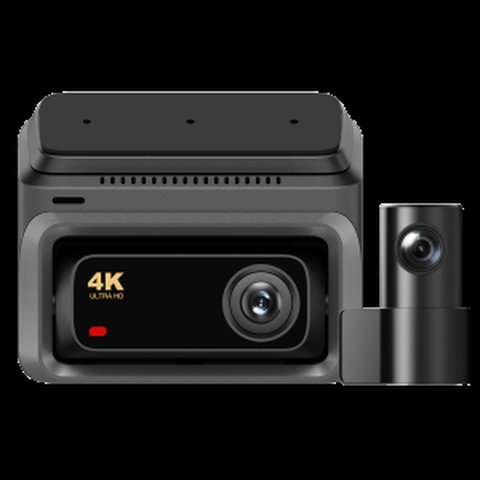
Spec Comparison
| Spec | Z50 Pro | Z60 (Dual) |
|---|---|---|
| Front resolution | 4K @ 25fps | 4K (3840×2160) |
| Storage | Up to 512GB TF card | 32GB eMMC + up to 512GB TF card |
| Display | 3″ screen | 3″ IPS screen |
| WiFi | WiFi 6 | 5GHz WiFi Turbo (up to 18MB/s) |
| 3-channel expansion | No | Yes, via MINI2X πLink |
| 4G option | Yes | Yes |
Storage Architecture: Z60’s Dual-Layer Advantage
The Z60 includes 32GB of built-in eMMC storage alongside its TF card slot, giving it a backup layer the Z50 Pro’s TF-card-only design lacks. If your microSD card fails or corrupts unexpectedly, the Z60’s eMMC can preserve recent footage as a failsafe, while a Z50 Pro card failure means losing access to whatever was on that card entirely. This is a meaningful reliability difference for anyone who’s been burned by a corrupted card before.
3-Channel Expansion: Z60’s Path to Interior Coverage
The Z60 supports DDPAI’s πLink wireless technology, letting you add a MINI2X camera for interior monitoring without running a physical cable. The Z50 Pro doesn’t offer this same expansion path, so if you think you might want cabin coverage down the road — useful for rideshare drivers or documenting passenger interactions — the Z60 gives you that option without needing to replace your main unit later.
If you’re deciding between these two mainly on 4K image quality, know that the gap is narrower than the model names suggest — the Z60’s real advantages are storage redundancy and expansion flexibility, not a fundamentally sharper picture, so weigh those practical factors more heavily than “Pro” branding alone.
WiFi Speed: A Close Call
Both cameras offer fast wireless footage transfer, with the Z60’s 5GHz WiFi Turbo rated up to 18MB/s and the Z50 Pro’s WiFi 6 support delivering similarly strong throughput. In practice, both will transfer large 4K clips to your phone significantly faster than older 2.4GHz-only dash cams, so this category is essentially a wash between the two.
For full specs, see DDPAI’s official Z50 Pro product page and DDPAI’s official Z60 product page.
Thinking About Resale and Long-Term Ownership
Both cameras hold up reasonably well as long-term purchases, but the Z60’s built-in eMMC storage and expansion path give it a slight edge for buyers who plan to keep the same unit for several years rather than upgrading again soon. If you tend to replace tech every year or two regardless, the Z50 Pro’s lower typical price makes more sense since you’re less likely to benefit from the Z60’s longer-term flexibility advantages.
Frequently Asked Questions
Is the Z60 more expensive than the Z50 Pro?
Pricing varies by retailer and promotion; check current listings for both, as the gap can shift with sales.
Can the Z50 Pro be upgraded to support the MINI2X later?
No, πLink 3-channel expansion is a hardware feature specific to the Z60 and Z60 Pro, not retrofittable to the Z50 Pro.
Does the built-in eMMC on the Z60 replace the need for a TF card?
No, the eMMC acts as a backup layer; you’ll still want a TF card installed for your primary ongoing recording storage.
Which one has a better warranty?
Warranty terms are generally consistent across DDPAI’s current lineup; check the specific listing for exact current coverage.
Is the Z60 harder to install than the Z50 Pro?
No, both follow the same general dual-channel installation process with comparable difficulty.
Does either support voice control?
Check the current spec sheet for both, as voice control availability can vary by specific firmware version.
Is the Z60 significantly bulkier than the Z50 Pro?
No, both share a similar compact form factor and mounting footprint.
Does the Z60 cost significantly more than the Z50 Pro?
Pricing gaps vary by promotion; compare current listings directly rather than assuming a fixed price difference.
Do both include GPS as standard?
Check current bundles for both, as GPS inclusion can vary by region and specific package.
Which one is better for a leased vehicle?
Both use removable adhesive mounts suitable for a leased vehicle, since neither requires permanent modification to install.
Is a car charger included with both models?
Yes, a standard 12V car charger ships with both as part of the base package.
Do both include a printed quick-start guide?
Yes, both typically ship with a printed quick-start guide alongside the standard packaging materials in the retail box.
Are replacement adhesive mounts sold separately?
Yes, both brands typically sell replacement adhesive mount pads as low-cost accessories if the original wears out over time.
Can either camera be powered from a portable battery pack?
Yes, both accept standard USB power, so a portable battery pack can run them independently of the vehicle’s ignition system for testing.
A Quick Gut-Check Before Buying
If you’re still unsure, ask yourself whether you’ve ever had a microSD card fail on you before, and whether you can picture wanting interior cabin footage down the road. A yes to either question points toward the Z60; if neither applies to your situation, the Z50 Pro delivers essentially the same core recording experience for typically less money.
Checking for Bundle Deals
DDPAI occasionally bundles either model with a MINI2X or extra accessories at a discount compared to buying separately. If you already know you want 3-channel coverage eventually, watching for a bundled Z60 plus MINI2X promotion can end up cheaper than buying the base Z50 Pro now and adding a MINI2X-compatible camera later, since the Z50 Pro doesn’t support that expansion path at all.
Registering Your Purchase
Whichever model you choose, register your purchase with DDPAI if that option is available, since it can streamline any future warranty claim and often gets you notified directly about firmware updates rather than needing to check manually. This small step takes only a couple of minutes after your purchase arrives.
Conclusion
The Z60 pulls ahead on storage redundancy and 3-channel expansion flexibility, making it the more future-proofed choice for most buyers at similar pricing. The Z50 Pro remains a solid choice if neither of those specific advantages matters to your use case.
Ryan
CS graduate · tests every camera and driver he writes about firsthand