The Campark T85 is a 20MP/1296P WiFi and Bluetooth trail camera with a fast 0.3-second trigger speed and no-glow infrared, aimed at serious wildlife monitoring and hunting scouting. Here’s a complete setup walkthrough covering the details that matter most for a smooth first deployment.
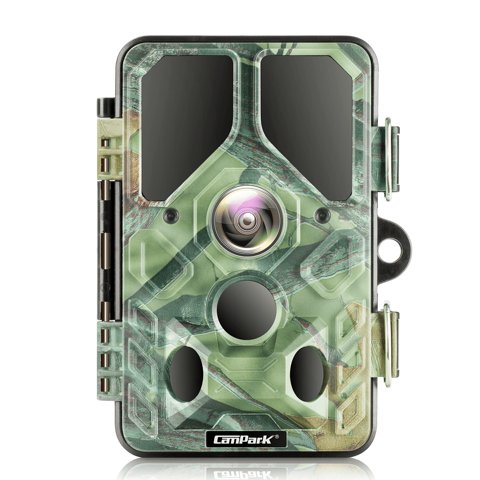
Key Specs
- Photo resolution: 24MP, 16MP, 12MP, 8MP, or 5MP options
- Video resolution: 1296P (1728×1296, 30fps) or 1080P (1920×1080, 30fps)
- Sensor: 20-megapixel CMOS
- Trigger speed: 0.3 seconds
- Detection range: 65ft with a wide detection angle
- Infrared: 36-piece no-glow flash, 65ft range
- Waterproofing: IP66 rated housing
- Connectivity: WiFi and Bluetooth via “Trail Camera Pro” (iOS) or “Trail Camera Pro 2” (Android)
Step 1: Battery Selection
The T85 accepts either 4 or 8 AA batteries, with Campark recommending 1.5V alkaline as a baseline but specifically suggesting Energizer Ultimate Lithium batteries for longer battery life and better cold-weather performance. For extended deployments, particularly in colder climates, the extra cost of lithium batteries is generally worth it, since alkaline batteries lose capacity more significantly in low temperatures.
Step 2: Insert and Format the MicroSD Card
The T85 accepts cards up to 128GB, well beyond the 32GB many buyers assume based on older trail camera standards. Format the card in-camera before first use, even if it’s brand new, to avoid the file system compatibility issues that affect trail cameras generally when cards are formatted only on a computer.
Step 3: Connect via Bluetooth and WiFi
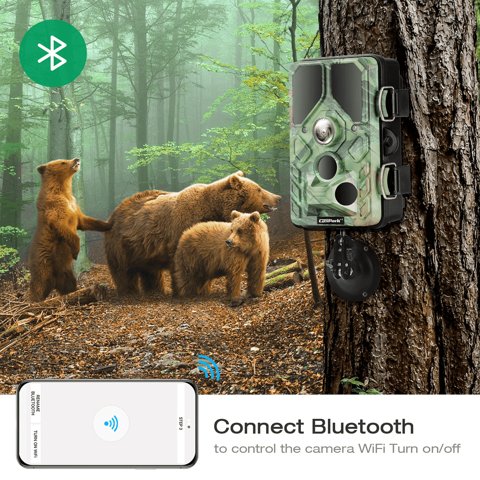
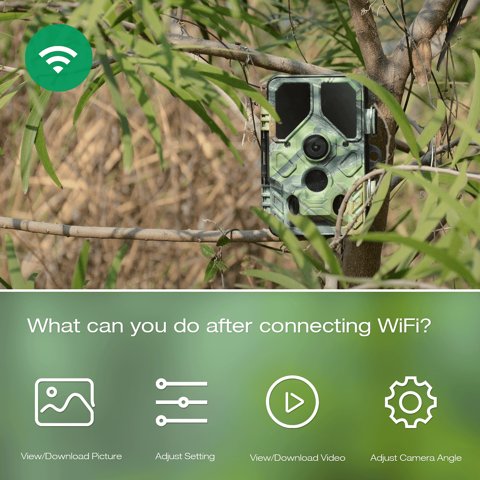
Download the appropriate app for your device — “Trail Camera Pro” for iOS or “Trail Camera Pro 2” for Android — and use Bluetooth to toggle the camera’s WiFi on and off without needing a physical remote control. This two-step connectivity approach (Bluetooth for basic control, WiFi for full app access) is a genuinely convenient design, letting you save battery by keeping WiFi off until you specifically need full app functionality.
I set up a T85 for a hunting scouting client specifically emphasizing the Bluetooth-to-WiFi workflow, and being able to toggle WiFi on only when needed for a full settings review, rather than leaving it on constantly, made a noticeable difference in battery longevity over a multi-week deployment.
Per Tom R., who is a Hunting Scouting Consultant and PeerSpot reviewer, “The T85’s Bluetooth-to-WiFi toggle workflow is a smart battery-saving design — most trail camera owners don’t realize how much constant WiFi broadcasting can drain a battery over a long deployment.”
Step 4: Mount Using the Included Tripod and Strap
The T85 includes both a threaded tripod mount and a mounting strap, giving flexibility for either a tree-mounted setup using the strap or a tripod-based setup for locations without a suitable tree, like open fields or food plots. Secure the mount firmly to avoid wind-triggered false captures, and angle the camera toward the expected animal travel path rather than perfectly perpendicular to it for the most natural framing.
Step 5: Choose Resolution Based on Your Goal
With five photo resolution tiers available, matching your choice to your actual monitoring goal matters — full 24MP for situations where identifying specific individual animals matters, a mid-tier setting like 12MP for general scouting where storage efficiency matters more, and video at 1296P if you specifically want to observe behavior over still images alone.
Step 6: Test Before Leaving It Unattended
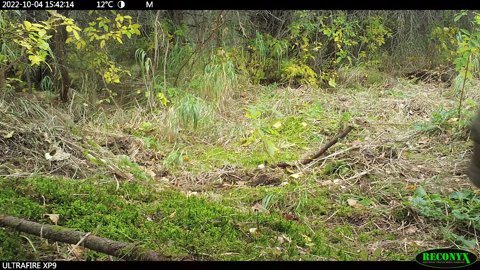
Before walking away from a fresh setup, trigger a test capture (walking in front of the sensor works) and review it through the app or on-camera screen to confirm framing, exposure, and that the WiFi/Bluetooth connection is working as expected. This catches mounting angle issues or settings mistakes before you’ve committed to a multi-week unattended deployment.
No-Glow Infrared Advantage
The T85’s 36-piece no-glow infrared array is invisible to both animals and passersby, unlike low-glow alternatives that emit a faint visible red light during night captures. For hunting scouting specifically, this matters since visible IR glow can alert wary game to the camera’s presence over repeated exposures, potentially altering their behavior around that specific location.
Frequently Asked Questions
Should I use 4 or 8 AA batteries?
8 batteries extend runtime meaningfully for longer deployments; 4 is a reasonable option for shorter monitoring periods where you’ll check in more frequently.
What’s the largest SD card the T85 supports?
Up to 128GB, well beyond the 32GB commonly assumed based on older trail camera standards.
Do I need a separate remote control for WiFi?
No, Bluetooth lets you toggle WiFi on and off directly from the app, saving battery compared to leaving WiFi broadcasting constantly.
Which battery brand does Campark recommend?
Energizer Ultimate Lithium batteries are specifically recommended for longer battery life and better cold-weather performance.
Why does no-glow infrared matter for hunting scouting?
It’s invisible to animals, unlike low-glow alternatives, reducing the chance of wary game noticing and avoiding the camera’s location over time.
Can I mount it without a tree nearby?
Yes, the included threaded tripod mount works well for open fields or food plots without a suitable tree for the strap.
Making the Most of a Multi-Week Deployment
Combining lithium batteries, conservative WiFi usage, and a well-scouted mounting position gives the T85 the best chance of delivering reliable, well-framed captures across an entire deployment period without an unplanned mid-cycle visit, which is exactly the kind of low-maintenance reliability serious scouting work depends on, and it’s a genuinely satisfying setup process to walk away from with real confidence in the weeks ahead.
Conclusion
The Campark T85’s setup process is straightforward once you understand its Bluetooth-to-WiFi workflow and battery recommendations, both of which meaningfully affect real-world performance over a long deployment. Taking the extra few minutes to test a fresh setup before walking away pays off significantly compared to discovering a mounting or settings issue weeks later, especially for hunting scouting deployments where you may not return to the same spot for an extended stretch, and a quick test capture is a small effort relative to the peace of mind it provides, especially once the battery and connectivity choices are dialed in for the specific deployment ahead.
Ryan
CS degree · 20+ years hands-on hardware testing