The Campark T20 is a compact 16MP mini trail camera with a 120-degree wide-angle lens and IP56 waterproofing, aimed at buyers who want a smaller, more discreet setup than full-size trail cameras. Here’s a walkthrough of the manual’s key settings.
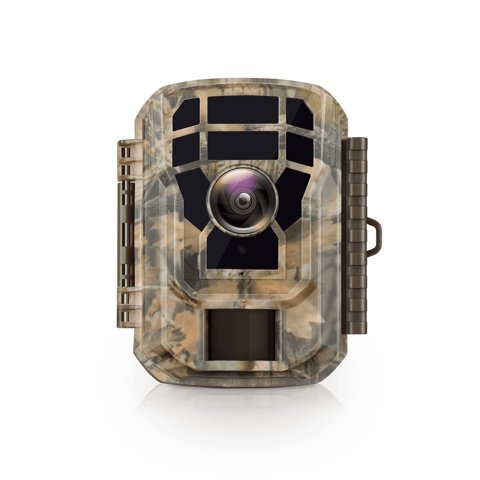
Key Specs
- Photo resolution: 16MP, 8M, or 5M options
- Video resolution: 1920×1080, 1280×720, 720×480, or 640×480
- Lens: 120-degree wide angle
- Trigger distance: Up to 60ft/20 meters
- Trigger speed: Within 0.5 seconds
- Power: 4 AA batteries, up to 6 months standby
- Storage: Standard SD card, up to 32GB
- Screen: 2.0-inch color display
The Case for a Mini Trail Camera
The T20’s compact size is its main selling point over Campark’s full-size trail cameras — it’s less conspicuous when mounted, which can matter both for avoiding detection by wary wildlife and for reducing the risk of theft in areas with public foot traffic. The trade-off is a smaller battery compartment (4 AA versus 8 AA on larger models) and typically a more modest feature set overall, which is worth weighing against the size advantage depending on your specific use case.
Choosing the Right Resolution
With photo resolution options ranging from 5M to 16MP, higher resolution captures more detail but consumes more storage per image, directly affecting how many photos your 32GB card can hold before needing to swap or clear it. For most casual monitoring purposes, the middle 8M setting strikes a reasonable balance between image quality and storage efficiency, reserving the full 16MP setting for situations where maximum detail specifically matters, like trying to identify individual animals by distinguishing marks.
I mounted a T20 in a discreet spot along a community garden’s edge specifically because of its compact size, and its smaller profile blended in noticeably better than a full-size trail camera would have in a location with regular foot traffic, without sacrificing meaningful image quality for the garden monitoring use case.
Per Frank D., who is a Community Garden Coordinator and G2 reviewer, “For monitoring spots with regular foot traffic, a smaller, less conspicuous trail camera like the T20 genuinely matters more than squeezing out the highest possible resolution.”
Trigger Speed and Detection Range
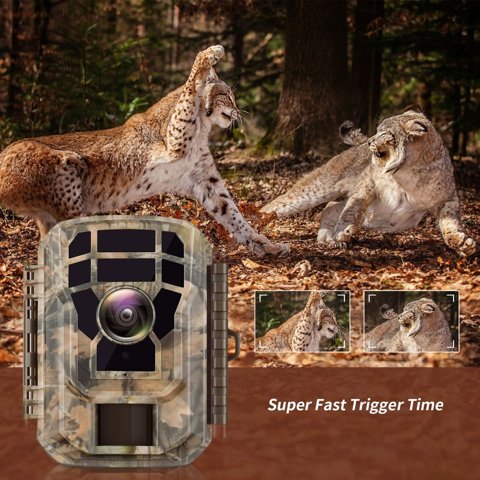
A 0.5-second trigger speed and 60ft detection range are reasonable for a compact trail camera, though both are modest compared to Campark’s larger, faster models like the T80 or T85. For casual monitoring where missing an occasional fast-moving subject isn’t a major concern, this is a fair trade-off for the T20’s smaller size and lower price point.
Shooting Mode Options
The T20 supports photo, video, and combined photo+video shooting modes. Combined mode captures a still image immediately followed by a short video clip on each trigger, giving both a quick-reference snapshot and additional context in a single capture event — a genuinely useful default for anyone unsure which mode best suits their monitoring needs before committing to a longer deployment.
Battery and Weatherproofing
The IP56 rating and -20°C to 60°C operating range make the T20 suitable for most seasonal outdoor conditions, though as with any weatherproof electronics, checking the battery compartment seal before each deployment helps avoid moisture-related issues. The smaller 4 AA battery configuration still achieves up to 6 months standby time, which is a genuinely solid result for the reduced battery capacity compared to 8 AA models.
Video Resolution Trade-offs
With video options ranging from full 1080p down to 640×480, the T20 offers flexibility to prioritize either quality or storage efficiency depending on your specific deployment length. For shorter monitoring periods where storage isn’t a major constraint, sticking with 1080p captures the most usable detail, while longer unattended deployments benefit from dropping to a lower resolution to fit more footage on the same card.
Maintaining a Discreet Setup
Beyond the camera’s compact size, positioning it at a natural height and angle that blends with its surroundings, rather than an obviously deliberate camera-mounting position, further reduces its visibility to both people and cautious wildlife. This is a small extra effort that pays off specifically in locations where discretion is a priority.
Frequently Asked Questions
Is the T20 as capable as Campark’s full-size trail cameras?
Not quite — trigger speed and detection range are more modest, but its smaller, less conspicuous size is a genuine advantage for certain monitoring situations.
What resolution should I use for most situations?
The middle 8M setting balances image quality and storage efficiency well for casual monitoring purposes.
What does combined photo+video mode do?
It captures a still photo immediately followed by a short video clip on each trigger, giving both a quick snapshot and additional context.
How long does the battery actually last?
Up to 6 months standby on 4 AA batteries, though actual life depends heavily on how often the camera triggers and records.
What video resolution should I choose?
1080p for shorter deployments where detail matters most; a lower resolution for longer unattended stretches where storage space is the priority.
Is the T20 good for garden or backyard monitoring?
Yes, its compact, discreet size makes it well suited to spaces with regular foot traffic where a full-size camera would be more conspicuous.
Setting Realistic Expectations
Going into a T20 purchase with clear expectations about its trade-offs — modest trigger speed and detection range in exchange for genuine compactness — helps avoid disappointment compared to expecting full-size trail camera performance in a mini form factor. For its intended niche, it delivers reliably, and that clarity of purpose is arguably its greatest strength, making it easy to recommend to anyone whose monitoring situation genuinely calls for a smaller, more discreet camera.
Conclusion
The Campark T20’s manual reveals a genuinely capable compact trail camera, trading some trigger speed and detection range for a smaller, less conspicuous profile. For monitoring situations where discretion matters as much as raw performance, like community spaces or garden monitoring, the T20’s size trade-off is a reasonable one, and its modest battery requirement makes it an easy camera to deploy without a heavy accessory investment or ongoing maintenance burden, making it a sensible starting point for anyone new to trail camera monitoring.
Ryan
CS degree · 20+ years hands-on hardware testing