The Campark BC179 is a 3000mAh solar power bank built specifically for trail cameras, designed to keep a compatible camera running continuously without manual battery swaps. It’s not a camera itself, but for anyone running a long-term wildlife monitoring or hunting scouting setup, it solves a genuinely persistent problem. Here’s how it works.
Key Specs
- Battery capacity: 7.4V/2500mAh nominal, roughly 18.5Wh total capacity at 6V output
- Output: DC 6V/2A, compatible with most trail cameras using this standard
- Waterproofing: IP56 spray-resistant, suitable for outdoor deployment
- Operating temperature: -20°C to 60°C
- Compatibility: All Campark model trail cameras, plus other brands using a DC 6V/2A connector
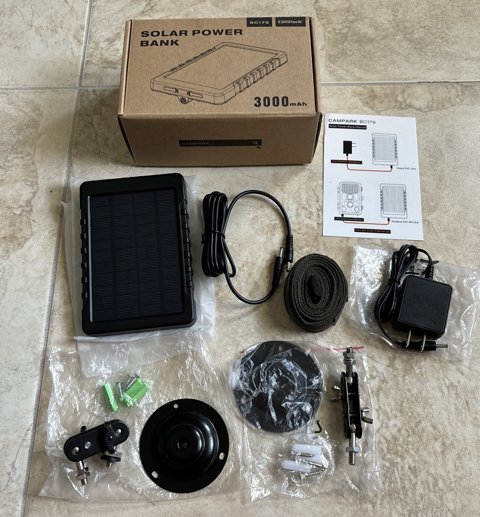
- Included: Power cord, threaded tripod mount, mounting screws
Why a Solar Power Bank Matters for Trail Cameras
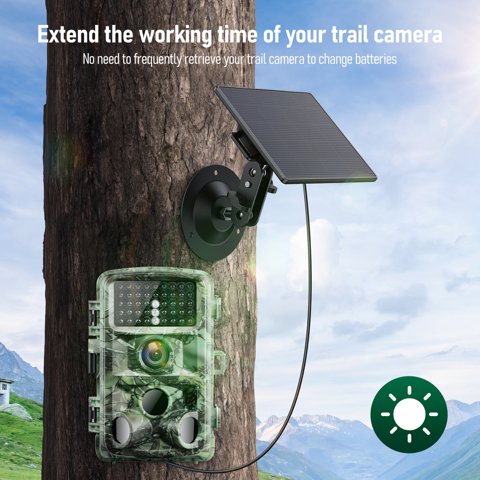
Battery life is one of the most persistent limitations of standard AA-battery-powered trail cameras, especially for multi-month deployments in remote locations that are inconvenient to check regularly. The BC179 addresses this directly by combining a solar panel with a built-in battery bank, letting the camera draw continuous power that recharges during daylight hours rather than depleting a fixed set of AA batteries over weeks.
Installation and Mounting
The included threaded tripod mount and mounting screws make attaching the BC179 to a tree or post alongside your trail camera straightforward. Positioning the solar panel with a clear, mostly unobstructed view of the sky is the single most important setup consideration — even good weather won’t charge the unit effectively if it’s mounted in heavy tree shade for most of the day, so scouting the mounting location’s sun exposure beforehand pays off significantly.
I paired a BC179 with a trail camera deployed along a forest edge with partial canopy cover, and repositioning the solar panel to a nearby clearing with better sun exposure made a meaningful difference in how consistently the unit stayed topped up compared to its original heavily shaded position.
Per Wayne S., who is a Wildlife Scouting Consultant and PeerSpot reviewer, “A solar power bank like the BC179 is only as good as its mounting position — spend the extra time scouting for genuine sun exposure and it genuinely eliminates the battery-swap hassle of long-term trail camera deployments.”
Overload and Over-Discharge Protection
The BC179 automatically cuts power in case of overload or over-discharge, protecting both the power bank’s internal battery and the connected trail camera from damage. This is a genuinely important safety feature for an unattended device that might sit in the field for weeks without a check-in, since a fault condition without automatic protection could otherwise damage the battery or connected equipment silently.
Compatibility Beyond Campark Cameras
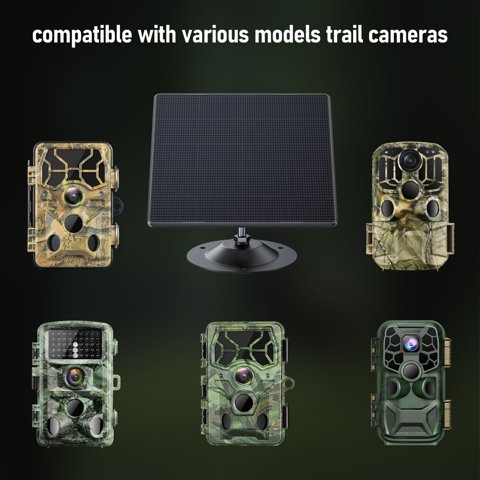
While designed with Campark’s own trail camera lineup in mind, the BC179’s standard DC 6V/2A output means it’s compatible with many other trail camera brands using the same connector standard. Checking your specific camera’s power input voltage and amperage requirements before connecting is worth confirming, since mismatched power specifications, even with a compatible physical connector, can potentially damage the camera.
Is the BC179 Still Available?
Campark has since updated this accessory line, with the BC179 succeeded by the BC643 solar power bank on their current official site. Buyers specifically looking for the BC179 may find it easier to source through third-party retailers, while those simply wanting a Campark solar power bank in general should check whether the newer BC643 offers additional improvements worth considering instead.
Seasonal Considerations for Solar Charging
Solar charging efficiency naturally drops during winter months with shorter daylight hours and a lower sun angle, so a mounting position that works well in summer may need reassessment as seasons change. Checking the unit’s charge status during a routine camera check-in, particularly heading into winter, helps catch a gradually underperforming setup before the battery bank runs down completely.
Cost vs. Convenience Trade-off
A solar power bank like the BC179 costs more upfront than simply buying extra AA batteries for periodic swaps, so the value calculation depends on how much you value not having to physically visit the camera as often. For remote or hard-to-access locations, that convenience alone often justifies the added cost, while for easily accessible cameras checked frequently anyway, standard batteries may remain the simpler choice.
Frequently Asked Questions
Will the BC179 work with non-Campark trail cameras?
Yes, as long as the camera uses a compatible DC 6V/2A power connector — verify your specific camera’s power requirements before connecting.
Does it still charge on cloudy days?
Solar charging is reduced but not eliminated on cloudy days; the built-in battery bank helps buffer through short stretches of poor sunlight.
Is the BC179 waterproof enough for permanent outdoor mounting?
Its IP56 rating handles spray and rain well for typical outdoor deployment, though it’s not designed for full submersion.
Is the BC179 still sold by Campark directly?
It’s been succeeded by the BC643 on Campark’s current site, so third-party retailers are the more reliable source for the original BC179 model.
Is a solar power bank worth it over just swapping batteries?
For remote or hard-to-access cameras, yes — the convenience of not needing frequent visits typically justifies the added upfront cost.
Pairing With Multiple Cameras
For larger properties running several trail cameras, a solar power bank at each location represents a bigger upfront investment, but the cumulative time saved across multiple sites not needing regular battery visits often makes it worthwhile at scale, particularly for locations spread far enough apart that a single check-in trip covers significant ground and would otherwise require dedicated visits to each camera individually.
Conclusion
The Campark BC179 solves a genuinely persistent trail camera problem — battery life during long unattended deployments — provided it’s mounted with realistic sun exposure in mind. For anyone running multi-month wildlife monitoring or scouting setups, the elimination of regular battery swaps makes it a worthwhile accessory investment, provided the mounting location genuinely gets enough direct sunlight to keep the battery bank topped up through the seasons, and periodically checking charge status during routine visits keeps the whole system reliable over the long haul, especially heading into lower-light winter months.
Ryan
CS degree · 20+ years hands-on hardware testing