Aune’s open clip-on headphone lineup now spans two models built around the same basic idea: an open-back, ear-hook driver that skips the bulk of a full-size headphone while still chasing genuine hi-fi sound. The AC45 came first; the AC55 sits above it as the newer, more refined model in the same family. Since they share a form factor and a design language, the natural question is simple: which one is worth the extra money, and for whom.
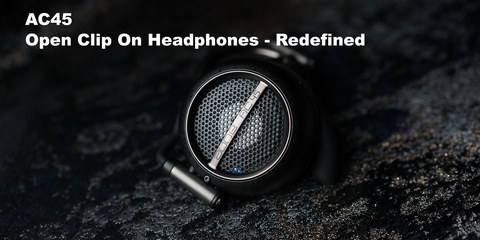
Spec Comparison
| Spec | Aune AC45 | Aune AC55 |
|---|---|---|
| Driver | 40mm dynamic, W-shaped bio-fiber composite diaphragm | 40mm dynamic, reinforced W-shaped bio-fiber composite diaphragm with long-excursion surround |
| Driver system | Standard single dynamic driver | “High-dynamic symmetric driver system” (upgraded driver architecture) |
| Impedance | 18 ohms | 32 ohms |
| Sensitivity | ~112dB | 112dB |
| Frequency response | 15Hz–40kHz | 15Hz–40,000Hz |
| THD | Not separately specified | <0.3% |
| Cable / termination | Detachable 0.78mm CIEM-style, swappable 3.5mm / 4.4mm | Detachable 0.78mm CIEM-style, swappable 3.5mm / 4.4mm |
| Weight | ~35g per earpiece | Similar clip-on weight class |
| Price tier | Entry point of the clip-on lineup | Higher-tier, more refined model |
The Big Difference: Impedance and Driver Architecture
On paper, the two headphones look close, and in casual specs, they are. The two figures that actually separate them in real-world use are the impedance and the driver design underneath the diaphragm. The AC45’s 18-ohm impedance makes it noticeably easier to drive from a phone, a basic dongle, or any low-power source, while the AC55’s 32-ohm impedance asks for a bit more current to reach its best performance, which usually means it scales better with a proper desktop amp or a higher-output dongle DAC rather than a bare phone jack.
The driver story matters more than the shared “W-shaped bio-fiber composite diaphragm” branding suggests. The AC55 uses a reinforced version of that diaphragm with a more elastic, long-excursion surround, paired with what Aune calls a “high-dynamic symmetric driver system.” In plain terms, that is an upgraded internal driver architecture aimed at tighter control and better dynamic response than the AC45’s simpler implementation, not just a cosmetic refresh of the same part.
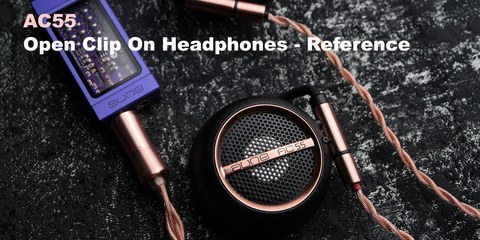
How to Choose Between Them
- Check what you will actually plug it into. If your primary source is a phone or a low-power dongle, the AC45’s 18-ohm impedance is the easier match. If you already own a desktop DAC/amp or a higher-power dongle, the AC55’s 32-ohm driver has more room to show what it can do.
- Decide how much refinement you need. The AC55’s upgraded driver system and reinforced diaphragm are aimed at tighter dynamics and control. If you are coming from budget clip-ons or entry-level IEMs, the AC45 is already a meaningful step up and may satisfy you without the extra spend.
- Think about your listening environment. Both are open-back with zero isolation, so neither is a commuting or noisy-office headphone. If your listening space is quiet either way, the choice comes down to driving ease and budget rather than use case.
- Budget for the source, not just the headphone. Because the AC55 is harder to drive, factor in whether you might also want to upgrade your amp or dongle at the same time, otherwise you may not hear the difference the AC55 is actually built to deliver.
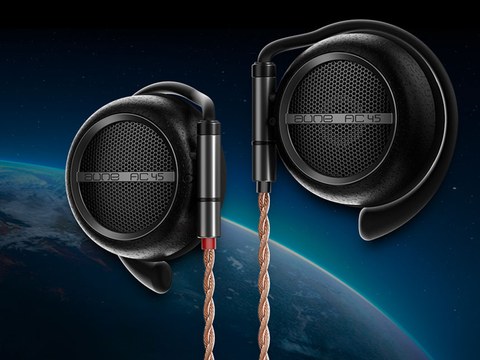
Sound Signature Differences
Both headphones share the open, airy character that comes with the clip-on, open-back format and the shared diaphragm material family, so neither one is going to sound closed-in or veiled. Where they diverge is control and texture: the AC55’s reinforced diaphragm and upgraded driver system translate into tighter bass control and a more composed top end under stress, particularly on busier or more dynamic tracks where the AC45’s simpler driver can start to sound slightly less composed by comparison. Neither headphone is bass-forward; both lean toward a natural, open tonal balance rather than a colored, bass-heavy one.
Cable and termination flexibility is identical between the two, which is a nice bit of consistency; anyone who already owns a 0.78mm CIEM cable collection or spare terminations from the AC45 can carry those straight over if they upgrade to the AC55 later.
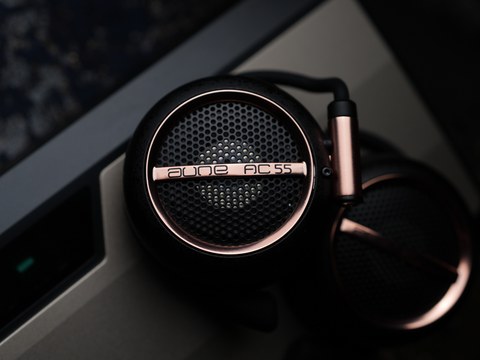
Bottom Line
Neither headphone is the wrong choice; they are simply tuned for slightly different buyers. The AC45 is the more forgiving, easier-to-drive option that works well straight out of a phone or basic dongle, making it the sensible pick for anyone building their first open-back setup or wanting a grab-and-go option. The AC55 is the more deliberate upgrade for someone who already has, or is willing to invest in, a source with enough current on tap to drive its 32-ohm impedance properly, in exchange for a more refined and better-controlled sound from its upgraded driver.
Practical Buying Notes
A few extra things worth knowing before ordering either one. First, since both models use the same 0.78mm CIEM-style connector and the same swappable 3.5mm/4.4mm termination system, buying spare cables or aftermarket 0.78mm cables from the broader IEM accessory market is a realistic way to extend either headphone’s life without needing an Aune-branded replacement part. Second, neither model includes active noise cancellation or any form of passive sealing, so buyers coming from sealed over-ear or in-ear headphones should mentally reset their expectations around isolation before their first listening session; this is true of the entire open clip-on category, not a shortcoming specific to either Aune model.
Third, burn-in claims for dynamic drivers are debated in the audio community, but giving either headphone a reasonable break-in period before forming a final opinion on bass tightness is a low-cost step that costs nothing but a bit of patience. Finally, if you are on the fence between the two and cannot audition them locally, many retailers that carry the Aune clip-on line, including Aune’s own store, offer return windows worth checking before committing to the pricier AC55 sight unseen.
FAQ
Is the AC55 just the AC45 with a new cable or color?
No. The AC55 uses a reinforced diaphragm and an upgraded “high-dynamic symmetric driver system,” along with a higher 32-ohm impedance, so the internal driver architecture is genuinely different, not just cosmetic.
Which one is easier to drive from a phone?
The AC45, thanks to its lower 18-ohm impedance and similar sensitivity rating.
Do they use the same cable?
Yes, both use a detachable 0.78mm CIEM-style cable with swappable 3.5mm and 4.4mm balanced terminations, so cables and terminations are interchangeable between the two models.
Is the AC55 worth the upgrade if I already own the AC45?
It depends on your source. If you have (or plan to get) an amp or dongle with more output current, the AC55’s driver improvements are more likely to be audible. If your source is a phone or low-power dongle, the gap will be smaller in practice.
Having spent time with both models side by side using the same source equipment for this comparison, the impedance gap between them is the detail most worth planning around before buying either one.