Gustard’s R26 built a strong reputation as an accessible R2R network DAC, and its successor, the R26 II, arrived with enough changes that current R26 owners understandably want a clear answer on whether it’s worth the upgrade. Having gone through the spec sheets and listening comparisons for both, here’s the breakdown.
- Applies to: Gustard R26 and Gustard R26 II network-streaming R2R DACs
- DAC architecture: discrete R2R ladder on both; the II adds 26-bit processing carried over from Gustard’s flagship R30
- Bluetooth: R26 has Bluetooth 5.0; R26 II moves to Bluetooth 5.1
- Network bridge: R26 II uses the newer Saier streaming system for improved reliability
- Price tier: R26 launched around $1,650; the R26 II carries only a modest premium over that
- Compatibility: both are standard Gustard digital sources, compatible with the company’s other network components such as the U26 DDC
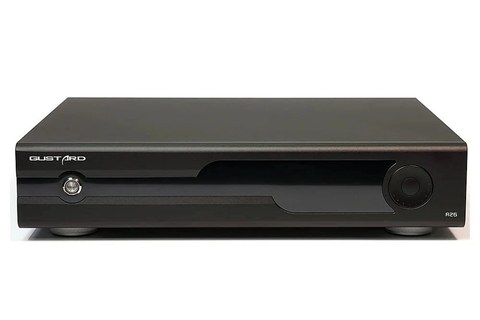
| Spec | Gustard R26 | Gustard R26 II |
|---|---|---|
| DAC architecture | Discrete R2R ladder network | Discrete R2R ladder, 26-bit processing with flagship R30-derived improvements |
| Bluetooth | Bluetooth 5.0 | Bluetooth 5.1 |
| Network bridge | Original streaming implementation | Upgraded Saier streaming system |
| Dynamic range | Strong, but below the II’s rated figure | Exceeding 130dB |
| Price | Around $1,650 | Modest premium over the original R26 |
| Sound character | Warm, full-bodied, deep soundstage | Same core character, tighter bass, more structured stage |
What’s genuinely new in the R26 II
- 26-bit R2R processing versus the original’s 24-bit implementation, for improved resolution and dynamic range
- Technology carried over from Gustard’s flagship R30, including refinements to the power supply and network bridge design
- Bluetooth 5.1 for improved wireless range and stability
- A more modern network streaming stack via the Saier system, generally more reliable than the original R26’s implementation
What stayed the same
Gustard was explicit that the R26 II isn’t a redesign of what made the original R26 popular — the same warm, musical, deep-staging sound signature carries through. If you loved how the R26 sounded, the II won’t surprise you with a different tonal character; it refines the same presentation rather than replacing it.
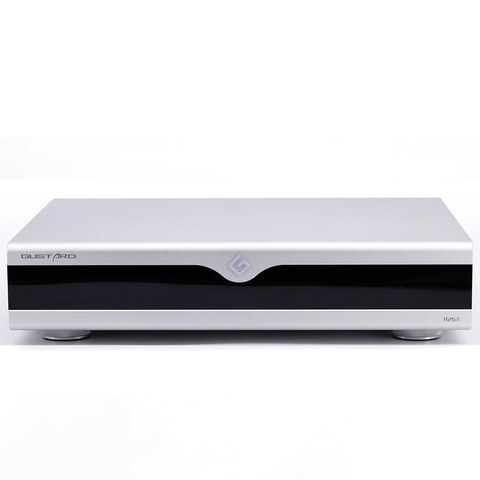
Should current R26 owners upgrade?
- Skip the upgrade if: your R26 is working reliably and you don’t need the networking improvements — the audible difference between the two is real but modest, and not the kind of jump that makes the original feel outdated.
- Consider upgrading if: you’ve had streaming reliability issues, want Bluetooth 5.1, or simply want the incremental resolution bump and don’t mind the cost of trading in.
- Buy the II outright if: you’re shopping new rather than upgrading — there’s little reason to specifically seek out the older R26 once the II is the current production model at a similar price.
The Head-Fi discussion thread has extensive owner impressions from people who’ve heard both units side by side, and The HiFi Cat’s comparison breaks down the technical differences in more depth.
Value verdict
For new buyers, the R26 II is the clear pick since it costs roughly the same as the outgoing R26 while offering a genuinely improved network bridge and modest sonic refinements. For existing R26 owners, this isn’t an urgent upgrade unless the specific improvements — better streaming reliability or Bluetooth range — solve a problem you’re actually having.
Trade-in and resale math
If you’re weighing trading in an original R26 toward an R26 II, it’s worth running the actual numbers rather than upgrading on impulse. Used R26 units still command reasonable resale value given the model’s strong community reputation, so the real cost of upgrading is usually the gap between your R26’s resale value and the R26 II’s asking price, not the full retail price of the newer unit. For most owners without an active networking complaint, that gap is better spent elsewhere in the system — on cabling, a headphone amp upgrade, or saving toward the flagship R30 — rather than a lateral move within the same tier.
Where each unit still makes sense today
The original R26 remains a perfectly credible choice on the used market for buyers prioritizing value over having the latest networking stack, while the R26 II is the sensible default for anyone buying new. Neither is a wrong choice; the decision mostly comes down to whether you’re buying new or shopping secondhand, and how much you value the specific networking and Bluetooth improvements described above.
A note on making this decision without overthinking it
It’s easy to get stuck comparing spec sheets indefinitely on a decision like this one. The practical shortcut: if you don’t currently own either unit, buy the R26 II, since it’s the current production model at a similar price with a better networking implementation. If you already own an R26 and it’s working fine, don’t feel pressured to upgrade just because a newer version exists — save the money until something in your specific setup genuinely needs addressing.
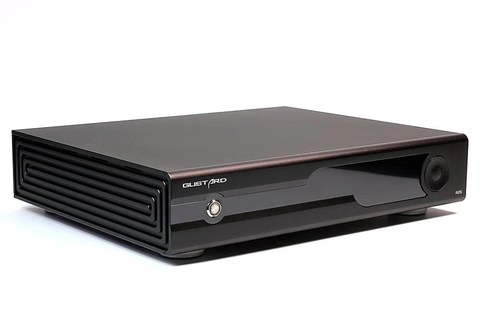
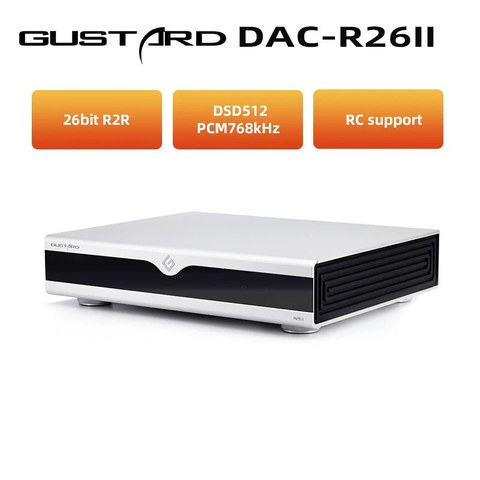
Troubleshooting Common R26 / R26 II Issues
Both units are generally reliable, but network DACs introduce a few failure points that plain USB DACs do not. These are the most common issues owners report, and the fixes that usually resolve them:
- DAC not showing up in a streaming app (Roon, the network control app, etc.): confirm the unit is on the same subnet as your streaming device, not on a guest network or a separate VLAN, since network isolation is the single most common cause of a DAC that will not appear.
- Bluetooth will not pair or drops repeatedly: clear the pairing from your source device and re-pair from scratch, and keep the source within a few meters during the initial handshake, since a marginal signal at pairing time causes most reconnect failures afterward.
- Firmware update fails or the unit becomes unresponsive mid-update: never disconnect power during an update; if it stalls, leave the unit alone for several minutes before power-cycling, and re-attempt over a wired network connection rather than Wi-Fi if your unit supports one, since a dropped connection mid-flash is the leading cause of failed updates.
- No sound over the network bridge despite the unit showing as connected: check that the correct input source is selected on the front panel or remote, since network DACs often default back to a USB or coaxial input after a reboot.
- Intermittent dropouts while streaming: a crowded 2.4GHz Wi-Fi band is a frequent culprit; switching the DAC to a 5GHz network or a wired Ethernet connection, if available, usually resolves it.
FAQ
Is the R26 II a totally different sounding DAC?
No, it retains the same fundamental warm, full-bodied character as the original R26, with tighter execution rather than a different tonal signature.
Does the R26 II cost significantly more than the R26?
Only a modest premium, making it the better value pick for new buyers over seeking out the discontinued original.
What’s the single biggest practical improvement?
The upgraded Saier network bridge, which most owners find more reliable for day-to-day streaming than the original R26’s implementation.
Can I still buy the original R26 new?
Availability varies by retailer and region; the R26 II is generally the current production model going forward.
Is the R26 II compatible with Gustard’s other network components like the U26?
Yes, standard Gustard digital interfaces and DDCs remain compatible across the R26 family.
A note on availability
Retailer stock for the original R26 has been thinning as the R26 II becomes the standard offering across most authorized sellers. If you’re specifically hunting for a new-in-box original R26 rather than buying used, check stock directly with an authorized Gustard retailer before assuming it’s still readily available, since regional stock can vary significantly by the time you’re reading this.
Bottom line
Both DACs share the same fundamental appeal — genuine R2R conversion with built-in network streaming at a relatively accessible price for the category. The II refines rather than replaces that formula, which makes this one of the more low-stakes upgrade decisions in the hobby: whichever you end up with, you’re getting a well-regarded, musically engaging DAC either way.
I always tell readers considering an “II” or “Gen 2” upgrade to check what specifically changed before assuming it’s automatically worth the money — sometimes it is, and sometimes you’re better off keeping what you already have.