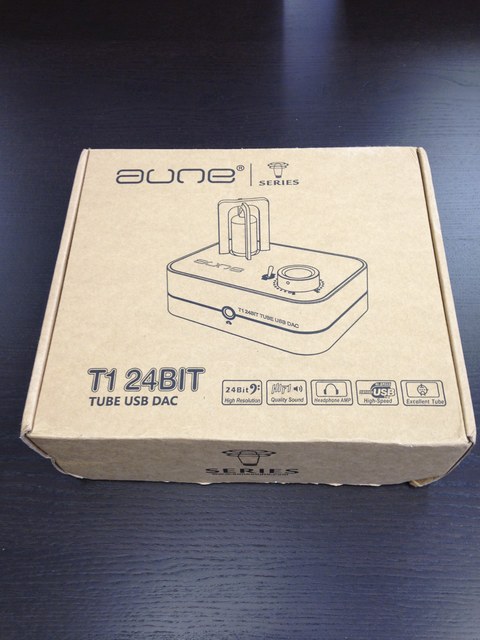
Long before Aune became known for its more elaborate desktop and portable lineups, the T1 was one of the products that put the brand on the map among budget-conscious headphone enthusiasts. It is a tube DAC and headphone amp combo, and despite its age, secondhand and refurbished units still circulate widely enough that it is worth talking about for anyone hunting for an affordable entry into tube sound.
How the tube fits into the signal path
It is worth clearing up a common misunderstanding first: the T1 is a tube DAC, not a tube amplifier. The analog output stage of the built-in DAC section runs through the tube, which shapes the character of the digital-to-analog conversion, while the headphone amplifier itself is a solid-state design that turns out to be surprisingly powerful for a budget unit. To hear the tube’s contribution, you need to be using the T1 as your DAC over USB, since the tube stage does not apply to any analog inputs.
- USB DAC supporting up to 24-bit/96kHz
- Tube-based analog output stage on the DAC section
- Solid-state headphone amplifier, separate from the tube stage
- Stock tube is a Russian-made Electro-Harmonix 6922
Sound character and tube rolling
The overall presentation is soft, warm, and smooth rather than bright or aggressive, which is exactly what you would expect from a tube-influenced output stage. It is a relaxing listen rather than a hyper-detailed one, and that laid-back character is part of the appeal for anyone whose full-size headphones sound a little too forward or fatiguing straight out of a solid-state source.
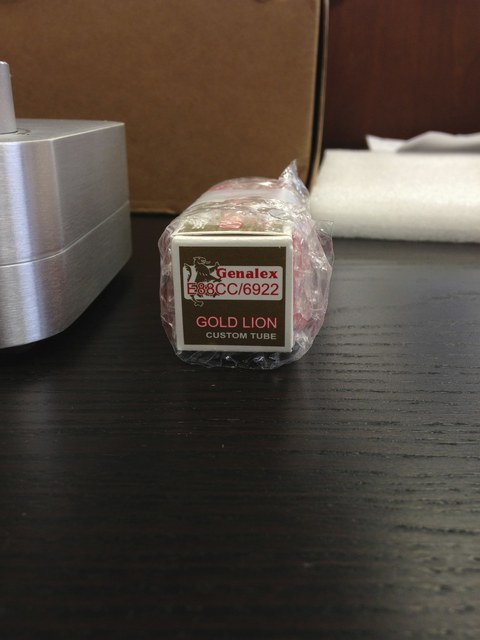
Because the tube socket is a standard fit, tube rolling is a realistic hobby with this unit rather than a theoretical one. Upgrading to something like a Genalex Gold Lion E88CC/6922, which is a direct drop-in replacement for the stock tube, is a common and worthwhile upgrade path that noticeably sharpens up the presentation while keeping the underlying warmth. A hands-on unboxing and first-tube-swap writeup is available from Lowyat Forum, and a separate tube-focused review sits on Audiokarma.
Build quality and a fragility warning
The chassis itself is fully metal and feels genuinely well made, with a volume knob that turns smoothly rather than feeling loose or cheap. There is one recurring complaint worth flagging clearly, though: the acrylic tube cage that protects the glass tube is fragile and prone to cracking with only moderate handling. Aune has historically shipped two spare cages in the box to account for this, which tells you the company is aware of the issue rather than treating it as a rare defect. If you buy one secondhand, check carefully whether the cage survived intact, and handle it gently when moving the unit around.
- Handle the tube cage carefully, it is a known weak point on this model
- Keep spare cages on hand if you plan to move the unit frequently
- Confirm the tube socket type before ordering aftermarket replacement tubes
Is it still worth buying today
As a budget entry point into tube-colored DAC sound, with a genuinely capable solid-state amp attached and real tube-rolling potential, the T1 remains a sensible pick if you find one in good condition. Just budget mentally for the tube cage being the one component likely to need replacement over time, and treat that as part of the ownership experience rather than a dealbreaker.
Buying one secondhand
Since the T1 is an older model at this point, most buyers today will be shopping secondhand or through leftover retailer stock rather than buying new. Beyond checking the tube cage for cracks, it is worth asking a seller directly whether the original stock tube is still installed or whether a previous owner already swapped it, since that affects both the sound character you should expect and the resale value of any included spare. Testing the unit with a known-good pair of headphones before finalizing a purchase is always a good habit with any secondhand tube gear, since tubes do eventually wear out and a weak or microphonic tube can sound notably worse than a healthy one even in the same unit.
If you do end up needing a replacement tube beyond the stock Electro-Harmonix unit, sticking with a 6922 or ECC88 family tube from a reputable brand is the safest path, since the socket and voltage requirements are well documented across the tube-rolling community.
Driver installation and OS compatibility
Since the T1 connects over USB as a class-compliant DAC on most modern operating systems, driver installation is generally plug-and-play on current versions of major desktop platforms. If you are running it on an older machine, it is worth confirming the operating system version supports USB audio class 2 devices, since very old systems occasionally need a specific driver package to recognize higher-resolution playback correctly. This is a minor concern given the T1’s age and modest maximum resolution, but worth a quick check before assuming it will work seamlessly out of the box on unusual or outdated hardware.
FAQ
Is the Aune T1 a tube amp or a tube DAC?
It is a tube DAC. The tube shapes the DAC’s analog output stage, while the headphone amplifier itself is solid-state.
Can I roll tubes in the T1?
Yes, the socket is a standard fit and swapping to something like a Genalex Gold Lion E88CC/6922 is a common upgrade.
What is the known reliability issue?
The acrylic cage protecting the tube is fragile and can crack under normal handling, which Aune addressed by shipping spare cages in the box.
What resolution does the USB DAC support?
Up to 24-bit/96kHz.
Does the tube affect analog inputs too?
No, the tube stage only applies when using the T1 as a USB DAC, not through any analog input.
Final thoughts
Products like the T1 rarely stay in a company’s active lineup forever, but the good ones leave a long tail of happy secondhand owners, and that is clearly the case here. If you can find one in good shape and are willing to accept that the tube cage needs gentle handling, it remains one of the more satisfying inexpensive ways to bring a bit of tube warmth into a desktop listening setup.
Tube gear was what first got me hooked on this hobby years ago, and the T1 is still one of the units I point beginners toward when they ask where to start without spending a fortune.