Most desktop headphone amplifiers stay in their lane. The Cayin Soul 170HA does not — it is a genuine stereo integrated amplifier for speakers that also happens to be one of the most capable headphone amps Cayin has ever built. That dual-purpose design is the real headline here, and it is worth walking through what that actually means in practice rather than treating it as a spec-sheet footnote.
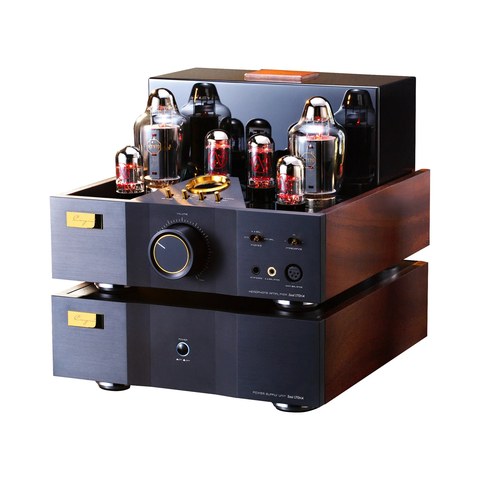
| Spec | Cayin Soul 170HA |
|---|---|
| Price | Approximately \,500 |
| Output power | Up to 17W (speaker mode) |
| Headphone outputs | 1/4″ (6.35mm), 4.4mm balanced, 4-pin XLR balanced |
| Impedance matching | Low (8–64ohm), Medium (65–250ohm), High (251–600ohm) |
| Tube modes | Triode / Ultralinear selectable |
| Inputs | RCA and XLR, selectable |
The Two-in-One Concept
At $7,500 and rated for up to 17W of output, the Soul 170HA is built to drive both headphones and passive speakers from the same chassis, switching between the two with a dedicated front-panel toggle. That is a meaningfully different proposition from a typical headphone amp with a token speaker-out jack bolted on. Reviewers at The Ear and Bloom Audio have both framed it less as a headphone amp with a bonus feature and more as a genuine integrated amp that also happens to excel at headphones.
Three Headphone Jacks, Selected by Toggle
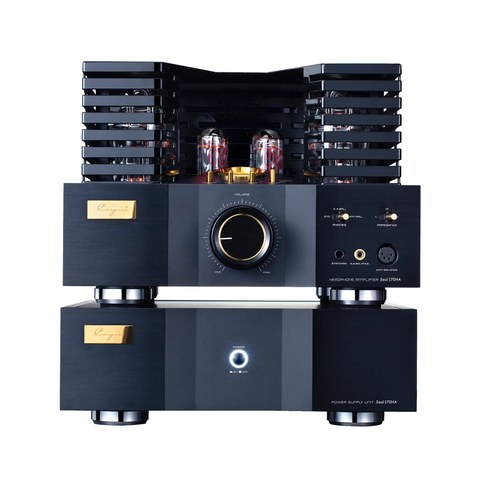
1/4″ (6.35mm) · 4.4mm balanced · 4-pin XLR balanced — all three live on the front panel, and a toggle switch lets you choose which one is active rather than forcing you to plan your cable ahead of time.
Impedance Matching, Built In
A three-position toggle covers Low (8–64ohm), Medium (65–250ohm), and High (251–600ohm) impedance ranges. That means the same amp can properly drive sensitive in-ear monitors on the low setting and then switch to high-impedance planars or dynamic headphones on the same unit, without needing a separate amp for each end of the spectrum.
A Front Panel Full of Switches
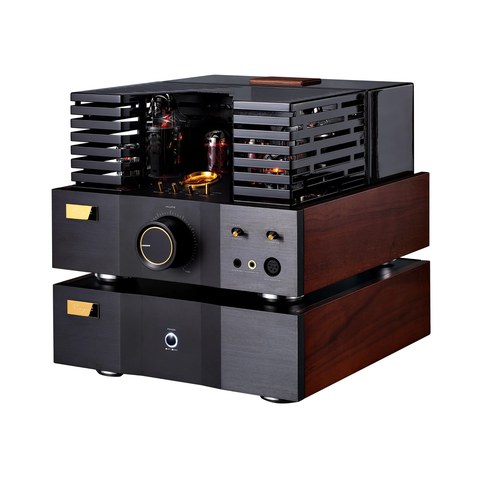
Beyond the impedance toggle, the front panel includes an RCA/XLR input selector, a speaker/headphone output selector, a Triode/Ultralinear mode selector, and a Dynamic/Soft response selector. That is four additional switches on top of the impedance and jack selectors, which sounds like a lot until you realize each one solves a real, specific problem rather than existing for its own sake.
Tested Against Genuinely Demanding Headphones
Reviewers have run the 170HA against some of the hardest-to-drive headphones on the market, including the Hifiman Susvara, ZMF Caldera, ZMF Atrium, and Abyss 1266. Successfully driving that lineup is a real test, since those headphones routinely expose amps that look powerful on paper but fall short in practice. The consensus across write-ups from Head-Fi and Soundnews describes the resulting sound as natural, clean, and spacious rather than forced or strained.
Why the Dual-Purpose Design Actually Matters
A lot of “does both” products end up mediocre at each individual job. The Soul 170HA seems to avoid that by not treating the speaker mode as an afterthought — it is a full 17W amplifier stage with proper output transformers and switching, not a headphone amp with speaker binding posts tacked onto the back. For someone building a single desktop system meant to serve both a nearfield speaker pair and a serious headphone rig, that eliminates the need for two separate amplifiers taking up shelf space.
- Speaker/headphone output selector switches the entire signal path, not just the connector
- Triode/Ultralinear selector changes the tube operating mode for a different tonal balance
- Dynamic/Soft response selector adjusts how the amp responds to transient material
What’s Under the Hood
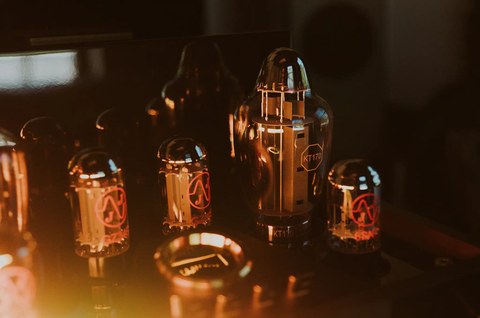
Getting to 17W with a proper tube-based topology means running enough output tubes to actually deliver that power cleanly, and the 170HA’s tube complement is visible through the top vents on the chassis whenever the unit is powered on. The glow is not purely decorative — it is a byproduct of the actual amplification stage doing real work, which is part of why tube gear at this level tends to run warmer than solid-state equivalents and needs decent ventilation on whatever shelf it lives on.
Who This Is Actually For
Given the price and the feature set, the Soul 170HA is squarely aimed at someone who already owns, or is planning to own, genuinely demanding headphones or a compact nearfield speaker setup, and does not want to run two separate amplifiers to cover both. If your headphone collection tops out at easy-to-drive IEMs and your speakers are an afterthought, this is considerably more amplifier than you need, and a simpler dedicated headphone amp would likely serve you just as well for less money. But for a desk that has to seriously handle both a flagship planar headphone and a pair of standmount speakers, consolidating into one chassis with this level of switching flexibility is a genuinely rare offering in this price bracket.
Frequently Asked Questions
Can the Soul 170HA really replace a separate speaker amp and headphone amp?
For many desktop setups, yes. It includes a proper 17W amplifier stage for speakers alongside three selectable headphone outputs, rather than treating one function as secondary to the other.
What does the impedance-matching toggle actually do?
It switches between three gain/output ranges — Low (8–64ohm), Medium (65–250ohm), and High (251–600ohm) — so the same amp can properly drive both sensitive IEMs and high-impedance planar or dynamic headphones.
Has the Soul 170HA been tested with hard-to-drive headphones?
Yes, reviewers have used it successfully with the Hifiman Susvara, ZMF Caldera, ZMF Atrium, and Abyss 1266, all of which are known for being difficult to drive properly.
What is the difference between Triode and Ultralinear mode?
These are two different tube operating configurations that change the amp’s tonal balance and output character; Cayin includes a front-panel toggle so you can switch between them depending on preference and material.
Common Problems and Fixes
Tube-based integrated amps at this level are generally reliable, but a few issues come up often enough with gear like the 170HA that they’re worth knowing ahead of time:
- No sound from speakers after switching modes — the speaker/headphone selector routes the entire signal path, not just the output connector, so double-check it’s actually set to speaker mode and that speaker cables are seated firmly in the binding posts.
- Headphones sound unusually quiet or thin — verify the impedance toggle matches your headphone’s actual rating; a high-impedance headphone run on the Low setting, or the reverse, can produce a noticeably weaker or harsher result than the amp is capable of.
- Tubes not glowing on power-up — give the unit a minute to warm up before assuming a fault, since tube amps take longer to reach full operating state than solid-state gear; if there’s still no glow after a few minutes, check the tubes are fully seated in their sockets.
- Amp runs hotter than expected — this is normal for tube gear at this power level, but make sure there’s clear ventilation space above the chassis, since the top vents are there specifically to let heat escape.
- Unexpected tonal shift after a while — tubes age and gradually change character over years of use; if the sound has drifted noticeably from when the unit was new, tube wear rather than a fault is the most likely explanation, and replacement tubes are the standard fix.
Final Thoughts
The Soul 170HA earns its $7,500 price tag less through raw power numbers and more through how thoroughly it covers the actual use cases someone building a serious desktop rig will run into — different headphone connectors, wildly different impedances, and a genuine speaker output that is not an afterthought. If you are trying to consolidate a desktop system down to one amplifier rather than two, this is one of the few products actually built for that job.
Written by Ryan, whose computer science background and years of hands-on hobbyist testing inform the gear coverage on this site.