Dongle DACs have gotten good enough that carrying a dedicated portable amp feels unnecessary for most people, and the DUNU DTC100 Pro is a strong argument for that shift. It’s small enough to live on a keychain loop, yet it packs a genuinely capable DAC and amp stage that outperforms what you’d expect from something this size. I’ve been using it daily as my go-to travel dongle, swapping it between a laptop, a phone, and a tablet, and it’s held up well across all three.
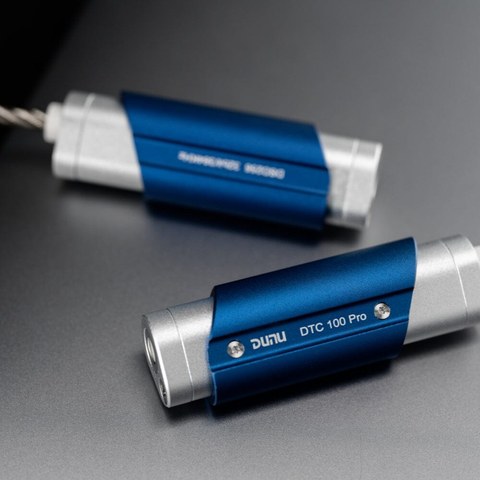
CS43198
SGM8262
200mW @ 32Ω / 235mW @ 16Ω
32bit/384kHz PCM, native DSD256
Single-ended 3.5mm only
CNC aluminum, EMI shielded
Step One: What’s Actually Inside
DUNU built the DTC100 Pro around a CS43198 DAC chip paired with an SGM8262 amplifier stage. That combination is what lets a dongle this size push up to 200mW into a 32Ω load, or 235mW into 16Ω loads, which is enough headroom to comfortably drive most IEMs and a good chunk of easier-to-drive full-size headphones too. On the decoding side, it handles PCM up to 32bit/384kHz and native DSD256, so file format compatibility isn’t a limiting factor for anyone with a serious hi-res library.
The one deliberate limitation is that DUNU kept this to a single-ended 3.5mm output only — there’s no balanced 4.4mm jack here. That’s a sensible trade-off for the size and price bracket, though if balanced output matters to your setup, it’s worth knowing upfront rather than assuming otherwise. DUNU covers the internals in more depth in their official DTC100 Pro announcement on HiFiGo.
Step Two: Build Quality and Everyday Handling
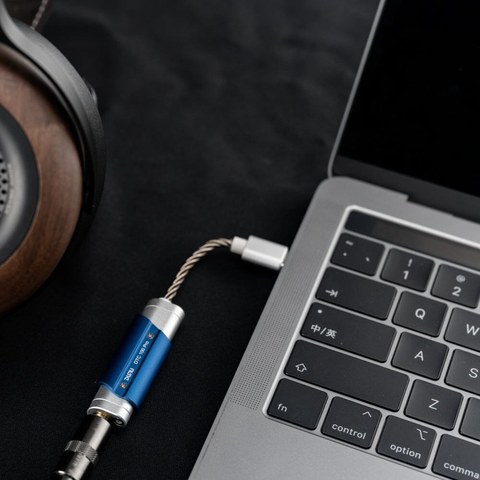
The shell is CNC-machined aluminum, which serves two purposes here: it looks and feels considerably more premium than the plastic housings on cheaper dongles, and it functions as EMI shielding to keep the DAC’s output cleaner. In daily use I noticed a genuinely quieter noise floor compared to a couple of budget dongles I’ve used previously, especially with sensitive multi-BA IEMs that tend to reveal any hiss in the signal chain.
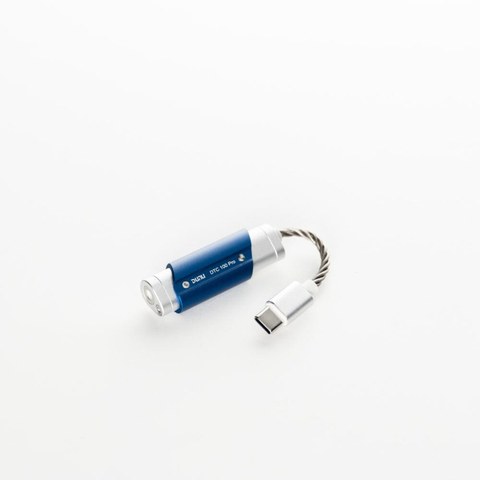
The cable is integrated rather than detachable, built from silver-plated single-crystal copper, terminating in USB-C. Not being able to swap the cable is a minor downside if you’re the type who likes to experiment with different USB cables for whatever reason, but for a portable dongle meant to just work, having one less connection point to fail is arguably the more practical choice.
Step Three: The LED Indicator in Practice
One small but genuinely useful touch is the status LED built into the shell. It glows white when playing standard PCM material and switches to red when it detects and is decoding native DSD. It sounds like a minor detail until you’re troubleshooting whether your playback app is actually sending DSD instead of falling back to PCM conversion — at that point, a glance at the LED color tells you immediately without digging through app settings.
Step Four: How It Actually Sounds
Sonically, the DTC100 Pro leans clean and neutral rather than adding warmth or coloration. Detail retrieval is good for the price point, background noise is low, and the amp section has enough current on tap that I never felt like I was running out of headroom with any of my IEMs, including a couple of harder-to-drive planar-based sets. It’s not going to embarrass a proper desktop stack, but for a dongle you keep in a pocket, it’s well beyond what the size suggests it should be capable of.
Compared to some of the entry-level dongles that use older or lower-tier DAC chips, the CS43198 here brings a noticeably blacker background and slightly better dynamic contrast. If you’ve been using a bundled DAC dongle from your phone manufacturer or a sub-$20 generic unit, upgrading to something like the DTC100 Pro is one of the more noticeable jumps you can make without spending desktop-amp money. You can compare pricing directly through Linsoul’s DUNU lineup.
Step Five: Who Should Buy It
If your listening is mostly through IEMs or easy-to-drive headphones and you want a small, well-built dongle that handles hi-res formats without fuss, the DTC100 Pro is an easy recommendation. It’s also a sensible starting point if you’re curious about DUNU’s dongle lineup before considering a step up to a model with balanced output and higher power — that upgrade path exists within the same family if your needs grow later.
Step Six: Compatibility and Setup Notes
Setup is genuinely plug-and-play on modern phones and laptops. Plug the USB-C connector into an Android phone or a computer and playback should route through the dongle automatically once you select it as the output device, if your operating system doesn’t already do that for you. On iPhones you’ll need a USB-C to Lightning adapter or a newer USB-C iPhone model, since the DTC100 Pro’s connector is fixed rather than swappable.
A few practical notes worth knowing before you buy:
- Power draw is modest enough that it doesn’t noticeably drain a phone battery faster than typical wired playback
- The aluminum shell does get slightly warm during extended DSD playback, though never uncomfortably so
- No physical volume buttons on the dongle itself, so volume is controlled entirely from the connected device
- Works fine with most Android USB Audio implementations without needing a special driver or app
How It Stacks Up Against Typical Budget Dongles
Most dongles under roughly thirty dollars use older or generic DAC chips that top out well below what the CS43198 is capable of, and the amp sections in that price bracket usually can’t sustain 200mW output without distortion creeping in. The practical difference shows up most with harder-to-drive IEMs and any full-size headphone north of 60Ω — the DTC100 Pro keeps composure where cheaper dongles start to sound thin or congested at higher volumes.
It’s also worth comparing it against desktop-class dongles a tier above it in DUNU’s own lineup, which add a balanced 4.4mm output and higher power ceilings for planar and harder-to-drive full-size headphones. The DTC100 Pro isn’t trying to compete at that level — it’s aimed squarely at IEM and easy-headphone users who want a meaningful upgrade over stock audio without stepping up to that higher price and power bracket.
Frequently Asked Questions
Does the DUNU DTC100 Pro support DSD natively or only through PCM conversion?
It decodes DSD256 natively, and the LED indicator turns red specifically to confirm native DSD is being processed rather than converted to PCM.
Can it drive full-size headphones, or is it IEM-only?
It can drive many easy-to-moderate impedance full-size headphones thanks to its 200mW/235mW output, though very power-hungry planar headphones are better served by a higher-tier dongle or desktop amp.
Is there a balanced output option on this model?
No, the DTC100 Pro is single-ended 3.5mm only. Balanced 4.4mm output is reserved for higher-tier dongles in DUNU’s lineup.
I’ve carried a lot of dongle DACs through years of daily commuting and travel, and the ones that stick around are the ones that disappear into the routine without giving you a reason to think about them — the DTC100 Pro has earned that spot for me over the past few weeks.