The 7Hz x Crinacle Zero 2 and the KZ ZS10 Pro represent two very different design philosophies at a similar budget price point. The Zero 2 is a single dynamic driver IEM tuned by a well-known reviewer, while the ZS10 Pro is a five-driver hybrid with one dynamic driver and four balanced armatures. Here is how they actually compare once you put them side by side.
7Hz x Crinacle Zero 2
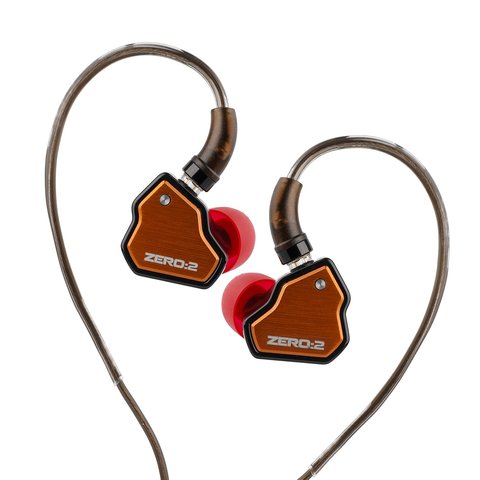
Single 10mm dynamic driver, PU and metal composite diaphragm
Warm, smooth, non-fatiguing tuning with controlled bass punch
Simple crossover-free design, one consistent sound signature
KZ ZS10 Pro
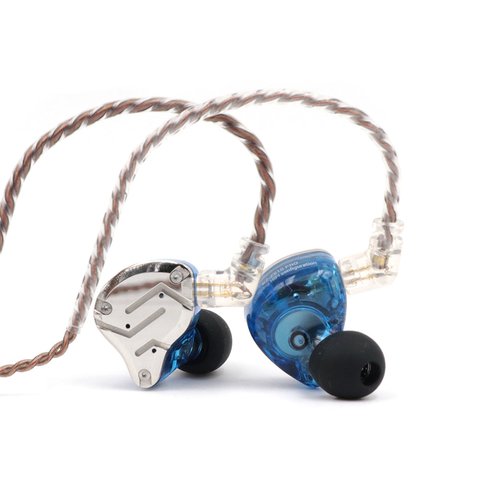
1 dynamic driver plus 4 balanced armatures, 5 drivers per side
V-shaped, energetic tuning with an emphasized treble
More complex crossover, older but well-known KZ flagship-tier model
Full Spec Comparison
| Spec | 7Hz x Crinacle Zero 2 | KZ ZS10 Pro |
|---|---|---|
| Driver setup | 1 dynamic driver (10mm) | 1 dynamic driver (10mm dual magnet) + 4 balanced armatures |
| Sensitivity | 108 dB | 111 dB |
| Impedance | 32 ohm | 30 ohm |
| Frequency response | 20 Hz – 20 kHz | 7 Hz – 40 kHz |
| Sound signature | Warm, smooth, bass-forward but controlled | V-shaped, brighter treble emphasis |
| Cable | 0.78mm 2-pin, detachable | 0.75mm 2-pin, detachable |
| Faceplate | Brushed steel | Mirror-polished stainless steel |
| Approximate price | ~$20 | ~$35–45 |
Sound Signature in Practice
The Zero 2’s tuning is the more universally comfortable one. Bass is present and rounded, mids are clean, and treble is smoothed out enough that long listening sessions do not fatigue your ears. It rarely draws attention to a single frequency band, which is exactly the point of Crinacle’s tuning philosophy.
The ZS10 Pro is a different animal. Its five-driver setup gives it a more layered, detailed presentation on complex tracks, and the treble has real sparkle from the dedicated high-frequency balanced armatures. But that same treble emphasis, which ThePhonograph’s review also flagged, can tip into sibilance on poorly mastered or already-bright recordings, something the Zero 2 simply does not run into.
- Zero 2: smoother, safer, more forgiving of bad recordings
- ZS10 Pro: more detail and separation, but less forgiving of harsh masters
- Zero 2: single driver means no crossover phase issues to worry about
- ZS10 Pro: hybrid setup gives a wider, more layered soundstage on well-recorded tracks
Build Quality and Fit
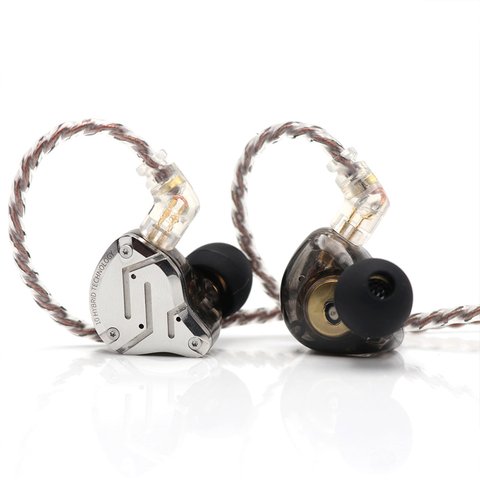
Both use stainless steel faceplates over a resin shell, with detachable 2-pin cables. The ZS10 Pro’s shell is a bit larger to accommodate five drivers per side, which some smaller ears may find less comfortable over multi-hour sessions. The Zero 2’s smaller shell fits flush and disappears in the ear more easily.
Per Farah N., a university student who uses IEMs for daily commuting, “I switched from the ZS10 Pro to the Zero 2 for comfort reasons alone, it just sits better for hours on end, even though I do miss some of the detail.”
Real-World Listening Notes
Over a week of rotating both earphones through the same playlist, the difference that stood out most was how each handled a busy, layered rock recording with multiple guitar tracks and a full drum kit. The ZS10 Pro pulled apart the individual guitar lines more clearly, letting me pick out rhythm and lead parts separately. The Zero 2 blended them a bit more, but never in a way that felt congested or muddy, just less analytical.
On a poorly mastered live recording with harsh cymbal hits, the ZS10 Pro’s treble emphasis made those moments genuinely uncomfortable at higher volumes, while the Zero 2 smoothed them over without losing the sense that cymbals were still present in the mix. This single test track alone was enough to convince me that recording quality should factor into which of these two you pick.
- Mostly stream music from modern, well-mastered sources: either earphone works well
- Listen to a lot of older or poorly mastered recordings: the Zero 2 is the safer choice
- Care most about analytical detail and soundstage layering: the ZS10 Pro pulls ahead
Amplification and Source Pairing
Neither earphone demands an amplifier, but they respond differently to source quality. The Zero 2’s single dynamic driver is forgiving of a mediocre source, since there is no crossover to introduce timing or phase mismatches between drivers. Plugged straight into a basic phone dongle, it sounds close to its full potential.
The ZS10 Pro benefits a little more from a cleaner source, since the crossover network between the dynamic driver and four balanced armatures can sound slightly less coherent on a noisy or underpowered output. On a dedicated portable DAC, the separation between drivers tightens up and the overall presentation feels more unified. This is not a dealbreaker on either earphone, but if you already own a decent dongle DAC, the ZS10 Pro is the one that benefits more from using it.
Which One Should You Buy
Pick the Zero 2 if comfort, all-day wearability, and a forgiving tuning matter more to you than maximum detail retrieval. Pick the ZS10 Pro if you want the layered detail a multi-driver hybrid provides and do not mind a slightly more aggressive treble on some tracks. Both remain relevant picks in the budget-to-mid IEM space for very different reasons.
Frequently Asked Questions
Is the ZS10 Pro better than the Zero 2 overall?
Not universally. The ZS10 Pro offers more technical detail thanks to its hybrid driver setup, but the Zero 2’s smoother tuning is easier to enjoy for longer listening sessions.
Does the ZS10 Pro sound harsh?
It can, on already bright or poorly mastered tracks, due to its treble-forward tuning. The Zero 2 avoids this issue entirely with its smoother signature.
Which one is easier to drive?
Both are efficient enough for phone-level output, with the ZS10 Pro having a marginally higher sensitivity rating.
Can I use aftermarket cables on both?
Yes, both use standard detachable 2-pin connectors, so most aftermarket cables in the correct pin spacing will fit.
Is the KZ ZS10 Pro still worth buying compared to newer KZ models?
It is still a solid, well-regarded option in KZ’s lineup, though newer models like the ZS10 Pro X have refined the same driver concept further. The original ZS10 Pro remains a good value pick if you find it discounted.
Ryan
CS degree · 15 years hardware troubleshooting