The 7Hz G1 and the 7Hz Elua Ultra are both budget dynamic driver IEMs from the same brand, but they are tuned for opposite use cases. The G1 is built for gaming, with a V-shaped signature meant to place footsteps and gunfire precisely in a wide soundstage. The Elua Ultra is tuned for music, with a warmer, more relaxed dual-driver sound. I tested both across gaming sessions and regular music listening to see where each one actually wins.
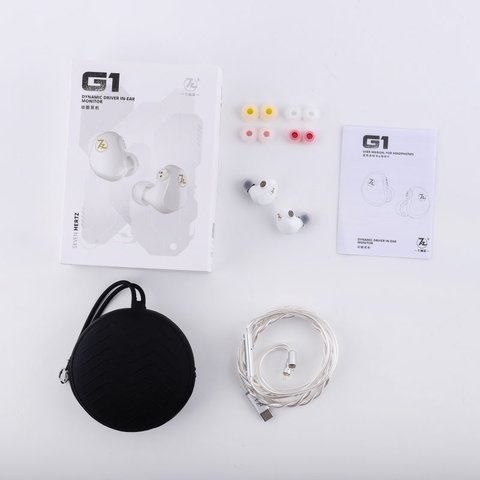
7Hz G1 (gaming pick)
Single 10mm dynamic driver with a DLC diaphragm and dual N52 magnetic circuit. The V-shaped tuning gives punchy bass and a wide soundstage built for locating positional audio cues, though upper mids and treble can get harsh on brighter recordings during critical music listening.
7Hz Elua Ultra (music pick)
Dual dynamic driver setup, a 10mm handling bass and lower mids and an 8mm covering upper mids and treble, both using an LCP diaphragm. Tuning is warmer and more relaxed, with a strong sub-bass shelf that stays controlled rather than boomy.
Spec Comparison
| Spec | 7Hz G1 | 7Hz Elua Ultra |
|---|---|---|
| Driver | Single 10mm DLC diaphragm, dual N52 magnets | Dual dynamic (10mm + 8mm), LCP diaphragm |
| Impedance | 18 ohms | Not officially high, easy to drive |
| Sensitivity | 107dB | Sensitive enough for phone-level output |
| Sound signature | V-shaped, gaming-focused, wide soundstage | Warm, relaxed, ~10dB sub-bass shelf |
| Best for | Competitive gaming, positional audio | Music listening, pop, EDM, hip-hop |
| Approximate price | Around $35 | Around $29-30 |
Gaming Performance
The G1 is genuinely built for gaming, not just marketed that way. Separation and soundstage are wider than most budget IEMs, footsteps and directional cues are easy to pinpoint, and the low latency wired connection avoids the delay you get with some Bluetooth gaming sets. Comfort held up fine over multi-hour sessions in my testing.
- Wide, accurate soundstage for pinpointing footsteps and gunfire direction
- Punchy bass and sub-bass presence without losing macrodynamics
- Upper mids and treble can sound harsh on poorly mastered game audio or bright music tracks
Music Listening
Switch over to music and the Elua Ultra takes the lead. Its warmer tuning and mid-bass dip keep vocals open and forward, and the dual driver setup handles busier mixes without the fatigue that the G1’s more aggressive upper mids can cause during a long album.
Per Trevor S., who is an IT Support Specialist and casual gamer, “I use the G1 for ranked matches and switch to a warmer IEM for music at night. Trying to make one IEM do both jobs well is asking a lot.”
Movies, Calls, and Everyday Use
Outside of gaming and music, both models handle everyday use reasonably well. For movies and shows, the G1’s wide soundstage actually works in its favor, dialogue stays clear and background effects feel spread out rather than centered. The Elua Ultra is the more relaxed option for background listening at a desk, such as podcasts or long meetings, since its warmer tuning is easier on the ears over extended periods.
Neither model includes an inline microphone in the version I tested, so if voice calls through the headset are a priority, check the current listing on Linsoul before buying, since some batches or bundles include a mic cable option. For pure commuting use on public transport, the G1’s more forward upper mids can help cut through background noise slightly better than the Elua Ultra’s warmer tuning.
Build Quality Side by Side
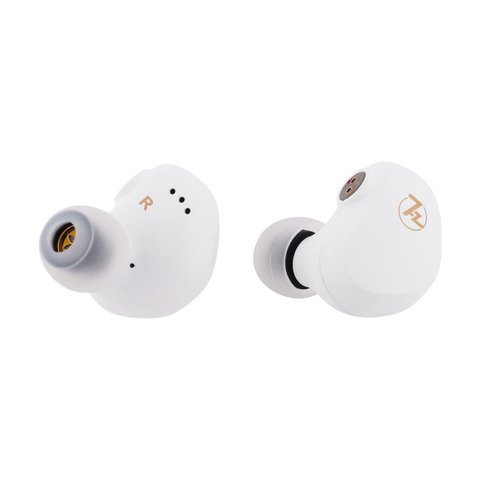
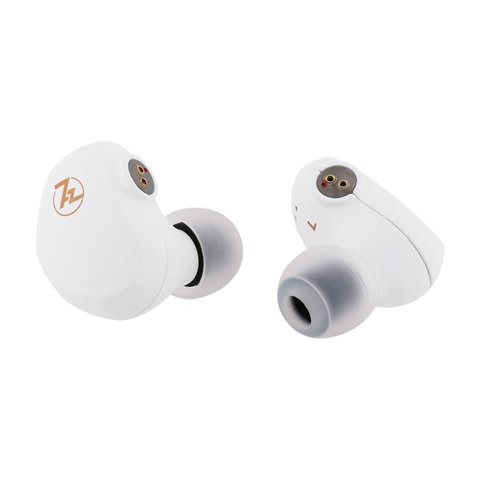
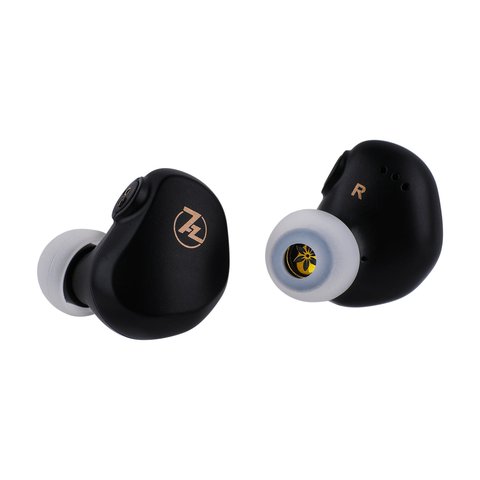
Neither IEM feels cheap for its price, but they take slightly different approaches to the shell, and it shows once you have both sitting on the desk side by side. The G1 uses a smooth resin housing that stays light for long gaming sessions, while the Elua Ultra has a metal faceplate with an engraved number seven design that gives it a slightly more premium look on the desk.
- Both use detachable 0.78mm two-pin cables, so cable upgrades are possible on either model
- The G1 ships with a compact carrying case, useful for tossing into a bag between gaming sessions
- The Elua Ultra includes a wider range of ear tip sizes, which affects its sub-bass response noticeably
- Neither model requires tools or special fitting to get a comfortable seal
Which One Should You Buy
If gaming is your main use case, the G1 is the clear pick, it was designed specifically for that job and it shows. If you mostly listen to music and only game occasionally, the Elua Ultra will serve you better day to day. Owning both is not unreasonable either, since together they cost less than most single flagship IEMs. Full specs are available on the Linsoul G1 product page and the Linsoul Elua Ultra product page, and the HiFi Oasis G1 review has a deeper breakdown of its gaming-specific tuning.
Conclusion
The G1 and the Elua Ultra prove that 7Hz understands its budget IEMs do not need to be all-rounders to be good. Each one is tuned with a clear purpose in mind, and both execute that purpose well. Pick based on how you actually plan to use it, not just on price or hype. If you are torn between the two and cannot decide, think honestly about what fills more of your listening hours, competitive gaming or music, and let that answer the question instead of the spec sheet.
Ryan
Self-taught driver/hardware specialist · 15 years experience
Common Questions
Is the G1 too harsh for regular music?
It can sound sharp on brighter tracks. If music is your main use, the Elua Ultra’s warmer tuning is more forgiving for daily listening.
Can I use the Elua Ultra for gaming?
Yes, but its warmer, less positional tuning makes it less precise than the G1 for competitive titles.
Do either need an amp to sound good?
No, both are easy to drive from a phone. An amp helps a little with dynamics but is not required.
Which one has a wider soundstage?
The G1, by design, since a wide soundstage helps with pinpointing directional audio cues in games.
Are the cables interchangeable between the two?
Both use standard detachable connectors, so cables are generally interchangeable between the two models and other 7Hz IEMs.