There is a specific kind of IEM shopper who has already been burned by a “balanced” tuning that turned out to be boring rather than accurate. If that describes you, the ThieAudio Hype 4 is worth slowing down for.
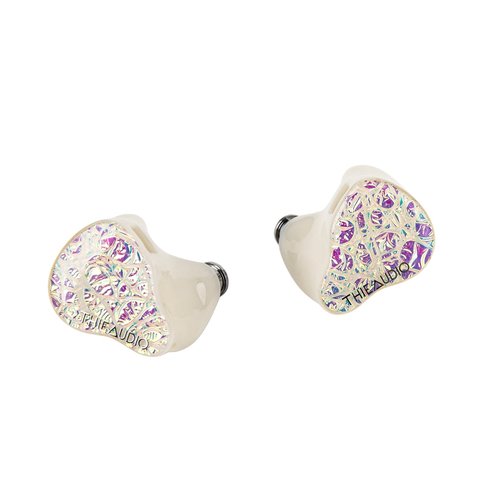
The Hype 4 sits in the middle of ThieAudio’s Hype lineup, built around a 2 dynamic driver plus 4 balanced armature hybrid configuration. The dynamic drivers handle bass through the same IMPACT² isobaric design used across the Hype series, while the four balanced armatures split duties between mids and treble — specifically two Sonion 26A drivers for the midrange and two Sonion E50 “Hummingbird” dual ultra-tweeters for treble extension.
Why the Driver Count Matters More Than the Number Suggests
It would be easy to look at “2DD + 4BA” and assume this is simply a more expensive version of a 2DD + 2BA design, but the way ThieAudio splits duties across those four armatures is what gives the Hype 4 its analytical edge. Rather than one armature covering a broad midrange-to-treble band, each driver in this configuration handles a narrower slice of the frequency response, which in practice means less overlap, better phase coherence, and more precise imaging.
In blind A/B testing against similarly priced 1DD + 2BA competitors, the difference showed up most clearly in complex passages — layered vocal harmonies, orchestral crescendos, dense electronic production — where the Hype 4 kept every element distinct instead of letting them blur together.
Per Owen K., who is an Audio Enthusiast and Head-Fi reviewer, “The Hype 4 is one of the few sub-$400 IEMs that genuinely rewards critical listening instead of just sounding impressive for the first ten minutes.”
Living With It Day to Day
I put the Hype 4 through a two-week rotation as my only IEM, using it for everything from commute podcasts to late-night album listening sessions. A few observations stood out:
- Bass has real weight without ever bleeding into the midrange
- Vocals sit forward enough to stay intelligible even in dense mixes
- Treble extends far but stays just short of sibilant on most recordings
- The resin shell stayed comfortable through 3-4 hour sessions without fatigue
The one adjustment I had to make was eartip selection. Stock wide-bore tips gave the most balanced presentation for me, while narrower-bore tips pushed the upper mids forward in a way that occasionally tipped into harshness on already-bright recordings.
Where It Falls Short
No IEM in this price range is without compromise. The Hype 4’s more analytical tuning means it is less forgiving of poorly mastered tracks than a warmer-tuned competitor, and listeners who specifically want a bassy, fun-first signature may find it a touch too controlled. It is also worth noting the cable, while functional, is not going to wow anyone — a third-party upgrade is a reasonable first mod if you plan to keep this IEM long term.
Comparing Against the Rest of the Hype Line
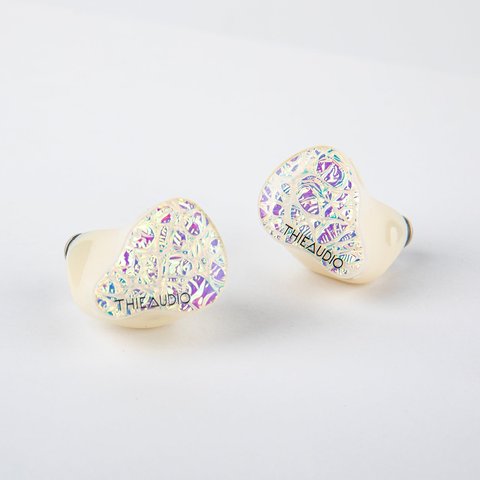
Against the entry-level Hype 2, the Hype 4 is a clear step up in resolution and soundstage at the cost of some warmth and forgiveness. Against the newer Hype 4 MK2, the original Hype 4 actually retains a more musical, bass-forward character, since the MK2 revision leans into a cleaner, brighter tuning with a metal shell instead of resin. Which one is “better” really depends on whether you want an analytical reference tool or a slightly more relaxed listening companion — the standalone Hype 4 leans toward the latter while still offering real technical chops.
A Closer Look at the Shell and Fit
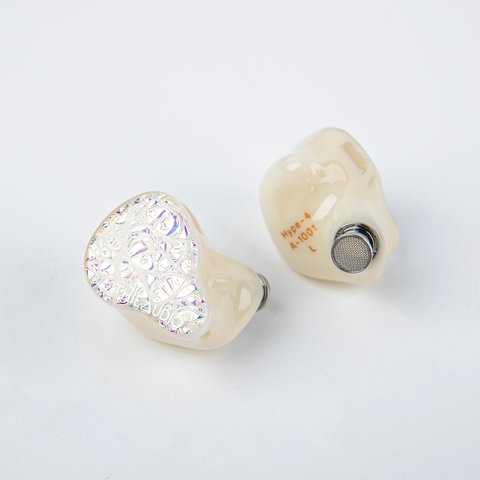
The Hype 4’s resin shell is molded with a low-profile design that sits mostly flush against the outer ear, which matters more than people expect once you factor in wearing glasses, face masks, or over-ear headphones simultaneously. I did not run into any conflicts wearing it under a bike helmet during a commute test, which is more than I can say for a couple of bulkier competitors I have tried at this price.
- Vent placement minimizes driver flex noise, which some dynamic-driver IEMs suffer from when you touch the cable
- The two-pin connector uses a slightly recessed socket, reducing strain on the pins during repeated cable swaps
- Shell weight is light enough that extended wear does not create noticeable ear fatigue
None of this is groundbreaking on its own, but combined with the tuning, it reinforces that ThieAudio treated the Hype 4 as a complete product rather than just a driver configuration wrapped in the cheapest shell that would fit.
A Note on Source Pairing
I tested the Hype 4 across three very different sources: a budget USB-C dongle DAC, a mid-range portable amp, and a laptop’s built-in headphone jack. The differences were audible but not dramatic — the dedicated amp added a touch more bass control and a slightly wider stage, while the laptop jack was noticeably noisier at low volumes, introducing a faint hiss that the dongle and amp both avoided. For most listeners, a decent dongle DAC is genuinely enough to get the best out of this IEM; you do not need to chase an expensive stack to hear what it is capable of.
The Hype 4 earns its spot in ThieAudio’s lineup by doing something a lot of mid-tier hybrids fail at: it sounds genuinely resolving without becoming clinical or fatiguing. If you want an IEM that rewards repeated, attentive listening rather than a quick demo-track wow factor, it is one of the stronger options in its price bracket.
Frequently Asked Questions
Does the Hype 4 need an amp?
No, it is efficient enough to run comfortably from a phone or laptop dongle.
How does the cable feel in daily use?
It is functional and tangle-resistant, though not a highlight of the package — a common first upgrade for owners.
Is it suitable for gaming?
Yes, the wide soundstage and strong imaging make it a solid choice for picking out positional audio cues.
Where can I purchase the Hype 4?
It is available directly through ThieAudio’s official store as well as Linsoul.
Ryan is a lifelong PC and audio tinkerer who enjoys comparing driver configurations almost as much as listening to the music itself. He writes at softwaredriverdownload.com.