Collaborations between IEM manufacturers and well-known reviewers do not always land well, but the tuning partnership behind this particular tribrid earphone is one that a lot of the head-fi community actually talks about favorably. Kinera worked with reviewer Zeos Pantera on a revised version of an existing model, and the result is a shell that swaps out a balanced armature midrange driver for an electrostatic pairing while dialing in a noticeably different bass response than the earphone it replaced. Here is what the driver setup, tuning, and included accessories actually look like once you get past the marketing copy.
Key Specs
- Driver configuration: 1 dynamic driver + 1 balanced armature + 2 electrostatic drivers (tribrid)
- Dynamic driver: 7mm titanium-plated dome PU composite high poly fibre diaphragm for bass
- Midrange driver: Sonion 26A00 series full-range balanced armature
- High-frequency drivers: dual Sonion EST65DA01 electrostatic units for treble
- Frequency response: 5 Hz – 50 kHz
- Impedance: 60 Ohms
- Sensitivity: approximately 110 dB
- Shell weight: about 4.5 grams per side
- Connector: 0.78mm 2-pin, modular cable with 2.5mm, 3.5mm and 4.4mm adapters
What Changed From the Standard Nanna
The core difference in this Z-Tune revision is a deliberate 3.5dB boost across the sub-bass region, roughly from 5Hz to 250Hz, compared to the earlier version of the same shell. The goal was to give the tribrid a punchier, more rumbling low end without touching the electrostatic treble drivers that were already well regarded. Kinera kept the same dual EST unit arrangement for extension above 7kHz and the same full-range balanced armature for midrange duties, so the tonal identity of the original design carries over even with the added bass weight.
Sound Impressions
On paper a tribrid with electrostatic treble drivers sounds like it should be treble-forward and possibly fatiguing, but that is not really how this one behaves in practice. The added bass emphasis actually balances things out, giving the overall presentation a fuller low end that keeps the extended treble from feeling thin or overly analytical.
I tested this earphone with a mix of electronic and hip-hop tracks specifically because that is where the sub-bass boost should matter most, and the rumble was noticeably more physical than I expected from a shell this light. Midrange vocals stayed reasonably clear despite the added low end, and the treble extension from the electrostatic units gave cymbals and higher-pitched synth layers a sense of air that a purely BA-based high end usually cannot match. It is not a subtle-sounding IEM, but it also does not feel unbalanced the way some bass-boosted tunings can.
Per Daniel R., who is an Audio Enthusiast and Head-Fi reviewer, “the Z-Tune revision does exactly what a good collaboration tuning should do — it takes a shell with genuinely excellent treble extension and gives it the bass foundation to actually use that extension in modern, bass-driven genres.”
Cable and Included Accessories
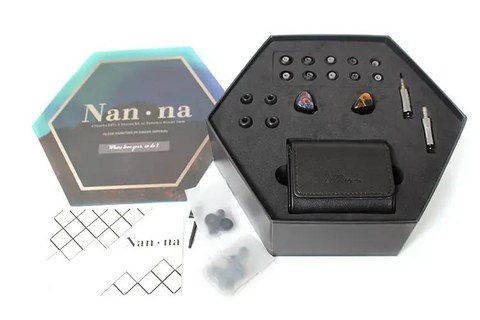
The retail package includes a modular cable system rather than a fixed termination, which is worth calling out since it removes one common annoyance with higher-end IEMs. In the box:
- The Nanna 2.1 Z-Tune shells with 0.78mm 2-pin connectors
- A 6N OCC plus silver-plated OCC modular cable, approximately 1.2m in length
- Interchangeable 2.5mm, 3.5mm, and 4.4mm termination plugs
- Multiple pairs of silicone eartips in varying sizes
- A protective carrying case
Having all three common termination standards covered out of the box is genuinely useful if you switch between a phone dongle and a dedicated balanced DAP. Full retail listings and current pricing are available through HiFiGo’s product page and Linsoul’s listing for anyone comparing bundle options.
Fit, Weight, and Practical Notes
A few practical points worth knowing before ordering:
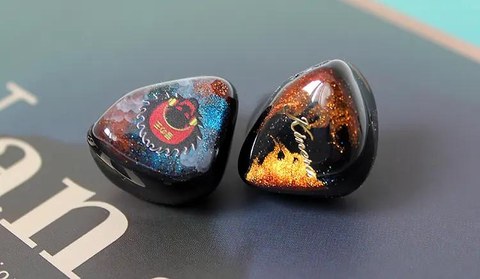
- At roughly 4.5 grams per shell, long listening sessions are comfortable even with the added driver count
- The 60 Ohm impedance and moderate sensitivity mean a phone alone can drive it, but a dedicated DAC or DAP brings out more of the electrostatic treble detail
- The modular plug system means you do not need a separate cable when switching source devices with different output jacks
- Eartip selection has a noticeable effect on the sub-bass boost — foam tips tend to seal better for the low end than shallow silicone tips
How It Compares to Other Tribrid Designs
Electrostatic drivers used to be reserved almost exclusively for flagship-tier IEMs costing several times as much, so seeing a pair of Sonion EST units in a tribrid at this level is notable on its own. What separates the Z-Tune revision from simply being a spec-sheet showcase is that Kinera and Zeos actually iterated on the tuning rather than shipping the same driver configuration with a marketing refresh. The sub-bass adjustment is targeted enough that it does not bleed into the midrange the way a poorly implemented bass boost often does on cheaper hybrid and tribrid designs.
Compared with other 1DD plus 1BA plus 2EST designs on the market, the Nanna 2.1 Z-Tune Edition tends to be described in listener impressions as leaning warmer and more forgiving than some of its more analytical-sounding competitors, largely because of that bass tuning choice. If your library skews toward acoustic or classical material rather than bass-forward genres, it is worth listening to comparison clips or reading detailed measurement threads before committing, since the added low-end weight is the defining trait of this particular revision.
Frequently Asked Questions
What does the “Z-Tune” name refer to?
Z-Tune refers to the tuning collaboration between Kinera and reviewer Zeos Pantera, who worked with the brand on the sub-bass adjustments that differentiate this edition from the earlier Nanna model.
Is this a good IEM for bass-heavy genres?
Yes, the 3.5dB sub-bass boost specifically targets electronic, hip-hop, and other bass-driven genres while keeping the electrostatic treble drivers intact for detail and air.
Do I need a balanced source to use this earphone properly?
No, the modular cable includes 2.5mm, 3.5mm, and 4.4mm plugs, so it works with both single-ended and balanced sources without needing a separate cable purchase.
How does the Z-Tune Edition differ from the original Nanna 2.1?
The driver hardware is unchanged, but the tuning has a 3.5dB sub-bass lift compared to the earlier version, giving it a noticeably punchier and more physical low end.
Conclusion
The Nanna 2.1 Z-Tune Edition manages something that a lot of reviewer-tuned collaborations do not: it makes a genuinely useful change rather than a cosmetic one. The added sub-bass weight gives the electrostatic treble drivers a fuller foundation to work from, and the modular cable system removes a common practical headache. If your listening leans toward bass-forward genres but you still want the resolution that electrostatic drivers bring to the top end, this is one of the more coherent tribrid designs currently available from Kinera.
Ryan
CS degree · long-time in-ear monitor and portable audio tester