Start with model identification, a complete physical inspection and a low-risk bench test. Do not copy settings or parts from a similar-looking product without checking compatibility.
I set up a JJRC RC truck for a reader whose model ran fine forward but weak in reverse, and swapping the battery for a fresh one with a full charge solved it completely. The electronic speed controller had been cutting reverse power first as the pack voltage sagged.
Jjrc C8813 can refer to more than one hardware package or seller bundle. The label on the product is the final reference. vehicle type is dodge pickup-style simulation crawler. category is model-car series. body is scale pickup body with revision-specific accessories.
This guide uses simple checks that separate power, connection, software and mechanical problems. The linked pictures open the source pages used for product identification.
Fast symptom guide
Vehicle does not respond
Battery, transmitter binding or power switch
Start with: Test battery voltage and repeat the binding order
Steering works but motor does not
ESC, motor connection or throttle trim
Start with: Lift wheels, reset trim and inspect motor wires
Clicking under acceleration
Gear mesh, differential or driveshaft
Start with: Stop immediately and inspect before more throttle
Pulls to one side
Trim, bent link, tyre or suspension
Start with: Centre trim and compare left and right movement
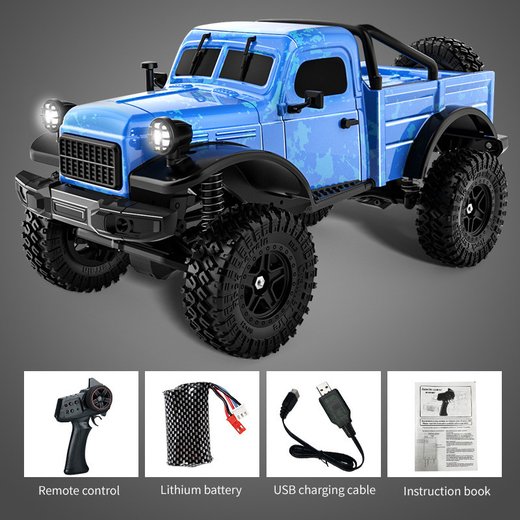
Compatibility and specification checks
| Item | Reference | Before use |
|---|---|---|
| Vehicle type | Dodge pickup-style simulation crawler | Verify on the product label or official page |
| Category | Model-car series | Verify on the product label or official page |
| Body | Scale pickup body with revision-specific accessories | Verify on the product label or official page |
| Maintenance | Clean drivetrain and suspension after trail use | Verify on the product label or official page |
| Parts | Use the complete C8813 model code when buying replacements | Verify on the product label or official page |
Published specifications describe a standard package. Sellers may combine a different controller, receiver, camera, battery or charger. Confirm the complete contents instead of assuming that every listing with the same short name is identical.
When replacing a part, match electrical limits and physical dimensions. Voltage, polarity and signal type matter more than wire colour. For moving parts, also match shaft size, screw length, gear pitch and clearance.
Safe setup sequence
- Charge the original battery with the correct charger and inspect it for swelling or damaged wires.
- Check wheel nuts, steering links, suspension arms and gear movement with power off.
- Switch on the transmitter before connecting the vehicle battery unless the manual specifies another order.
- Lift the wheels clear of the floor and test steering and throttle at low input.
- Drive slowly on a clean open surface and listen for clicking, grinding or binding.
- Stop after the first run and inspect motor temperature, wheel retention and debris around the drivetrain.
Do not rush through the first test. Most damaged electronics and lost models result from skipped polarity, binding, control-direction or battery checks. Keep propellers removed whenever a powered bench test does not require them.
Change only one setting or part at a time. Repeat the same test after each change. This creates a clear cause-and-effect record and avoids introducing a second fault while trying to solve the first one.
Identify the exact product before changing anything
Read every model code printed on the product, controller, battery and packaging. Small suffixes can identify a different receiver, camera, motor, body or firmware target. Photograph the original wiring and connector order before removing parts.
Compare the product in hand with the linked source pages. Look at mounting holes, antenna connectors, battery plugs, button positions and included accessories. A connector that fits is not proof that the voltage or pin order is correct.
Keep the model code, firmware name, battery specification and source-page links in a simple service note. This prevents confusion after a repair and makes future parts orders easier.
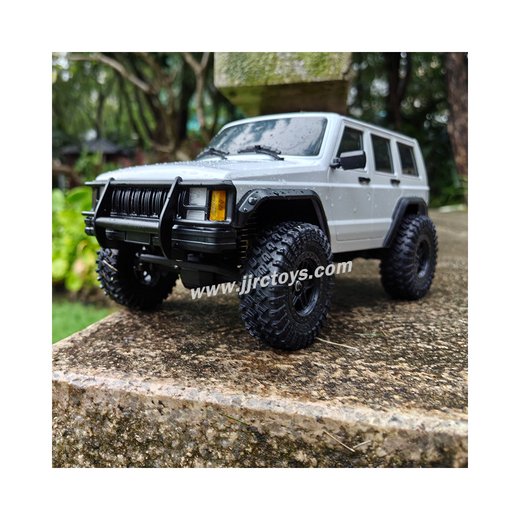
Maintenance and storage
Clean dust, hair, grass and grit after use. Disconnect power before using a soft brush or cloth. Avoid liquids around motors, bearings, switches, lenses, speakers and circuit boards.
Inspect batteries before and after charging. Retire a battery that is swollen, punctured, unusually hot, badly unbalanced or damaged at the connector. Store lithium batteries at an appropriate storage charge in a fire-resistant location.
Check screws and moving parts regularly. Use the correct screw length, especially near motors and circuit boards. Overtightening can strip plastic, crush a body shell or touch motor windings.
Keep configuration backups, photographs and a parts list for jjrc c8813. Label batteries and chargers so a similar connector is not used with the wrong voltage.
Common problems and first checks
| Symptom | Likely area | First action |
|---|---|---|
| Vehicle does not respond | Battery, transmitter binding or power switch | Test battery voltage and repeat the binding order |
| Steering works but motor does not | ESC, motor connection or throttle trim | Lift wheels, reset trim and inspect motor wires |
| Clicking under acceleration | Gear mesh, differential or driveshaft | Stop immediately and inspect before more throttle |
| Pulls to one side | Trim, bent link, tyre or suspension | Centre trim and compare left and right movement |
| Short runtime | Battery wear, binding drivetrain or high load | Test a known battery and check free movement |
Start with the symptom that can be observed directly. Do not update firmware simply because a motor, propeller, gear, battery or connector was damaged. Software cannot repair a mechanical or electrical fault.
Use a known-good comparison when possible. Test the suspect part on a working system or install a verified part on the suspect system, while keeping voltage and compatibility within the official limits.
Final validation before normal use
Complete a full power cycle and confirm that saved settings remain. Test every switch, status light, application connection and warning message. For radio-controlled equipment, verify that signal loss creates the safe behaviour described in the manual.
For aircraft, install propellers only after motor or control direction is correct. Begin with a short low-risk flight and land to inspect fasteners, temperatures and battery voltage. For cars, run slowly and listen for gear noise before full throttle. For applications and controllers, confirm that all channels return to neutral.
For cameras or recording systems, make a short file and review the beginning, middle and end on a computer. A card or connection can appear normal while creating incomplete files during a longer session.
Keep a useful service record
Record the exact model, firmware target, application version, battery type and any changed values. Save screenshots and text exports before and after configuration work. Name backups with the product and revision rather than a generic word.
Write down test conditions and results. A note such as “fails only at full throttle” or “connects only without the extension cable” is more useful than “sometimes broken.” Clear observations reduce repeated work and unnecessary parts purchases.
Keep factory files separate from experiments. When a change performs worse, return to the known working state instead of stacking another change on top of it.
Frequently Asked Questions
Where should I get the manual for Jjrc C8813?
Start with the manufacturer or official support source linked in this page. Match the complete model code and hardware revision.
Can I use parts from a similar model?
Only after confirming voltage, connector order, dimensions and part number. Similar appearance does not guarantee compatibility.
Should I update firmware immediately?
Update only when an official release applies to the exact hardware and solves a relevant issue. Save the current configuration first.
Why does it work on the bench but fail during use?
Loaded voltage, vibration, radio interference, temperature or mechanical stress may appear only during operation.
What is the safest first troubleshooting step?
Return to the last known working setup and test power, connection, control and mechanics one section at a time.
Sources
Ryan has repaired and reviewed a wide range of budget electronics, from FPV quads to portable DACs, and finds that patience with the official manual saves more time than guessing. He shares these findings at softwaredriverdownload.com.