The FrSky Taranis X9D Plus has been the go-to upgrade radio for FPV pilots and multirotor builders who’ve outgrown an entry-level transmitter and want something with a bit more polish and capability. It sits above the Q X7 in FrSky’s lineup, and the difference isn’t just marketing — the ergonomics, haptic feedback, and screen are all a genuine step up. Here’s what separates it from the rest of the Taranis family and whether it’s worth the price jump.
Key Specs
- Channels: up to 16 (ACCST) with ACCESS-compatible variants supporting more
- Battery: 2000mAh internal pack, balance-chargeable
- Display: dual-color backlit LCD, switchable between white and blue backlighting
- Firmware: EdgeTX / OpenTX compatible
- Feedback: haptic vibration motor for telemetry alarms and switch confirmation
- Gimbals: available with upgraded hall sensor gimbals (M9-Hall) as a factory or aftermarket option
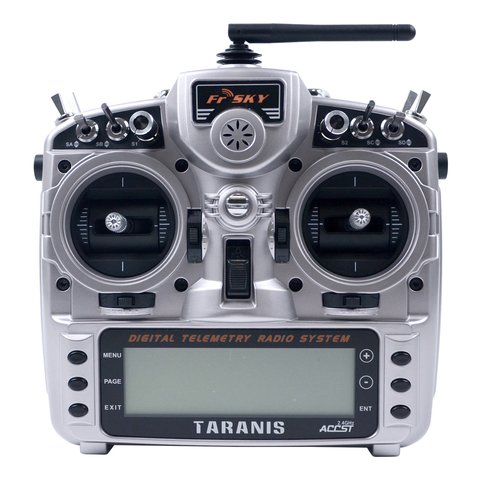
I moved to an X9D Plus after a couple of seasons on a Q X7, and the haptic feedback was the feature I didn’t know I needed. Getting a physical buzz when a telemetry alarm trips means you don’t have to glance down at the screen mid-flight, which matters more than it sounds like when you’re threading a gap at speed.
What Sets the X9D Plus Apart
The X9D Plus builds on the same open-firmware foundation as the rest of the Taranis line, but adds a handful of meaningful upgrades:
- Haptic feedback lets you feel telemetry alarms and switch changes instead of relying purely on audio or visual cues.
- The dual-color backlit LCD is easier to read in bright daylight and at dusk compared to the Q X7’s simpler monochrome screen.
- Ergonomic improvements to the case shape and grip reduce hand fatigue during long flying sessions or contest days.
- Optional hall sensor gimbal upgrades (like the M9-Hall) further reduce wear compared to stock potentiometer gimbals, extending the radio’s useful life significantly.
X9D Plus vs X9D Plus SE
FrSky has released a few variants over the years, and it’s easy to get confused between them:
- The original X9D Plus established the haptic feedback and improved screen as standard features over the base X9D.
- The X9D Plus SE refined the ergonomics further, adding features like a momentary shoulder button useful for DLG (discus-launch glider) pilots and a scroll wheel for faster menu navigation.
- Later SE revisions continued refining button placement and internal RF module support, so it’s worth checking exactly which hardware revision a used unit is before buying secondhand.
“The haptic buzz on my X9D Plus has saved me from a couple of low-battery landings I definitely would have missed if I was relying on audio alone over engine noise.” — Wei Lin, long-range FPV builder
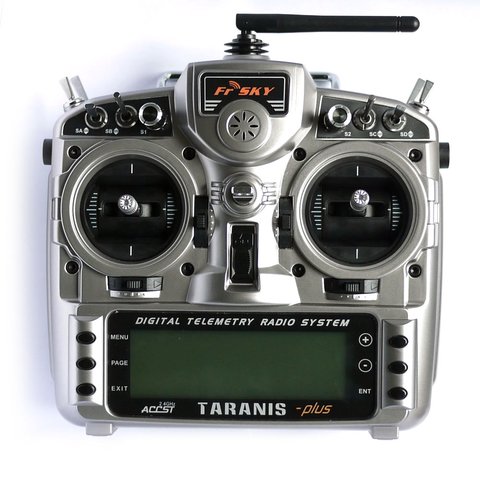
Is the Upgrade Worth It Over the Q X7?
For pilots deciding between the two, it comes down to how much you fly and what you value:
- If you fly often enough that hand fatigue and screen readability genuinely matter, the ergonomic and display upgrades justify the price gap.
- If haptic feedback for telemetry alarms sounds useful for your flying style (long-range, racing, or noisy environments), it’s a meaningful practical upgrade rather than just a nice-to-have.
- If you’re mostly flying casually or on a budget, the Q X7 delivers nearly identical core functionality — same firmware, similar channel capability — for meaningfully less money.
- Competition pilots often prefer the X9D Plus specifically for the improved gimbal options and the confidence that comes with haptic alarm feedback during high-stakes flights.
Getting the Most Out of an X9D Plus
A few setup habits pay off, whether the radio is new or secondhand:
- Flash the latest stable EdgeTX release rather than sticking with factory firmware, since the community-maintained builds fix bugs and add features far faster than official updates historically did.
- Set up haptic feedback thresholds for battery voltage and RSSI early — it’s the single feature that makes the biggest practical difference over a base-model radio.
- If buying used, check gimbal feel carefully for play or stiffness, since stock potentiometer gimbals do wear over years of heavy use and are a common reason sellers upgrade in the first place.
- Back up your model profiles to an SD card regularly, especially before flashing new firmware, so a botched update doesn’t wipe years of tuned mixes.
Frequently Asked Questions
Can I upgrade a standard X9D Plus with hall sensor gimbals?
Yes, the M9-Hall gimbal upgrade is a common aftermarket modification and is a straightforward swap for anyone comfortable opening the transmitter case.
Does the X9D Plus support ACCESS protocol?
Certain revisions and internal RF module configurations support ACCESS, but many original X9D Plus units ship with ACCST-only hardware. Check your specific unit’s internal module before assuming ACCESS support.
Is the X9D Plus still a good buy?
It remains a strong choice for pilots who want proven ergonomics and EdgeTX support, especially on the used market where prices have dropped since newer FrSky radios launched.
What’s the difference between the internal battery and using a battery tray?
The stock internal 2000mAh pack is convenient and balance-chargeable in place, while some pilots swap to a battery tray setup for hot-swappable AA or 18650 packs during long flying days without waiting for a charge.
Conclusion
The FrSky Taranis X9D Plus earns its place as the step-up radio in FrSky’s Taranis lineup through genuinely useful upgrades — haptic feedback, a better screen, and improved ergonomics — rather than just a higher price tag. Whether it’s worth the jump over the Q X7 depends on how much flying time you’re logging and whether those quality-of-life features matter to your setup, but for frequent flyers, it’s a difference you’ll feel within the first few sessions.
Ryan tests transmitters the way most people test cars — by putting real flight hours on them before forming an opinion, and the X9D Plus earned its keep fast. He writes at softwaredriverdownload.com.