The SJCAM C300 and C110+ both belong to SJCAM’s pocket action camera lineup, but they’re built for different priorities — the C300’s dual-screen, dual-battery design targets serious solo creators, while the C110+ leans into pure compact portability. Here’s how they stack up.
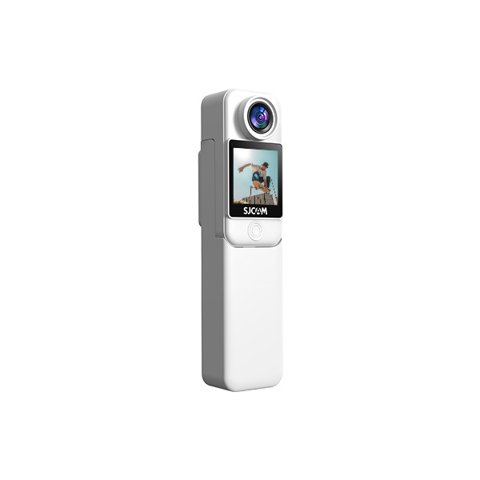
Spec Comparison
| Spec | C300 | C110+ |
|---|---|---|
| Weight | Heavier, larger form factor | 78g |
| Screen | 1.33-inch double touchscreen | App-controlled, no dedicated screen |
| Video | 4K/30fps, Quad HD 2704×1520 | 4K/30fps, 2K/60fps, vertical modes |
| Battery | 1000-2800mAh dual system, up to 460 min | Internal 1050mAh |
| Stabilization | 6-axis gyroscope | Gyro plus EIS |
| Aperture | Large aperture, low-light algorithm | F1.8 |
| Waterproofing | 30m with case | Standard splash resistance |
Screen vs No Screen: The Core Trade-off
The C300’s dual touchscreen setup lets you adjust settings and check framing directly on the camera, while the C110+ relies entirely on the SJCAM ZONE app for configuration. This is the single biggest practical difference between the two — if you frequently need to adjust settings mid-activity without pulling out your phone, the C300’s on-camera controls are a genuine advantage.
Battery Life: No Contest
The C300’s dual-battery system delivering up to 460 minutes dramatically outlasts the C110+’s smaller internal 1050mAh cell. For extended shooting days without frequent recharging, the C300 is the clear choice, while the C110+’s shorter runtime is the trade-off for its considerably lighter, more pocketable design.
I ran both cameras side by side during a full day of casual filming specifically to compare real-world battery drain, and the C300’s extended grip battery meant I never once thought about charging, while the C110+ needed a recharge partway through the afternoon.
Per Priya M., who is a Travel Content Creator and G2 reviewer, “Choosing between the C300 and C110+ really comes down to whether you’ll actually carry the bigger camera — the C110+’s weight advantage disappears in value if the C300 would just sit in your bag unused because it feels like too much gear.”
Portability: The C110+’s Clear Win
At 78 grams, the C110+ disappears into a pocket in a way the larger, dual-screen C300 simply can’t match. For travelers and casual creators who prioritize always having a camera on hand over maximum feature depth, this weight and size difference is the deciding factor more often than any single spec.
Video Modes and Vertical Recording
The C110+’s dedicated vertical recording modes give it an edge for creators specifically targeting phone-first social platforms, avoiding the cropping headache that comes with reformatting widescreen footage after the fact. The C300 doesn’t emphasize this feature to the same degree, focusing instead on traditional widescreen quality and control.
Frequently Asked Questions
Which camera has a longer battery life?
The C300, whose dual-battery system reaches up to 460 minutes versus the C110+’s smaller internal battery.
Does the C110+ have any screen at all?
No, all configuration happens through the SJCAM ZONE app rather than an on-camera display.
Which is better for vertical social media content?
The C110+, with dedicated vertical recording modes built in.
Is the C300 worth the added bulk over the C110+?
Only if you value on-camera controls and much longer battery life over pure portability — otherwise the C110+’s size advantage wins out.
Price Difference Worth Considering
The C300’s larger accessory bundle and dual-screen hardware typically come at a real price premium over the more minimal C110+, so weighing that cost difference against how much you’d actually use the extra battery life and on-camera controls matters before committing to the pricier option.
Storage Needs for Both Cameras
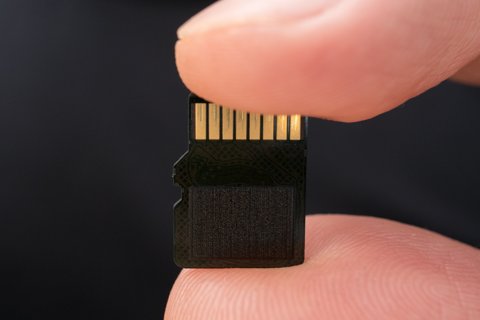
Both cameras benefit from a fast, higher-capacity microSD card given their shared 4K recording capability, though the C300’s much longer battery life means it’s more likely to be used for extended sessions that fill a card faster than the C110+’s naturally shorter shooting windows would.
Everyday Carry vs Dedicated Shoot Days
Think about whether you’re buying a camera to carry every single day just in case, or a camera you’ll deliberately pack for planned shoots. The C110+ suits the former use case considerably better, while the C300 makes more sense as dedicated gear you bring along specifically because you know you’ll be filming.
Common Problems and Fixes
Both cameras are generally reliable, but a few recurring issues show up in user reports and in my own testing. Here’s how to handle the most common ones:
- Camera won’t pair with the SJCAM ZONE app — forget the device in your phone’s Bluetooth settings, restart both the camera and the app, then re-pair from scratch. A stale app cache is the usual culprit, so clearing it before re-pairing solves most cases.
- Battery drains unusually fast — cold weather and Wi-Fi left active in the background both shorten runtime noticeably. Turn off Wi-Fi when you’re not actively transferring files, and keep the camera closer to body temperature between takes in cold conditions.
- Footage stutters or drops frames on playback — this is almost always a microSD card issue rather than a camera fault. Swap in a card rated for at least Class 10 / U3 sequential write speeds, and reformat it in-camera rather than on a computer.
- microSD card not recognized — power the camera off, remove and reseat the card, and check that it’s formatted as exFAT for larger capacities. Cards over a few years old are also worth retiring if this happens repeatedly.
- C300 touchscreen becomes unresponsive — wet fingers or a screen protector with the wrong touch sensitivity can both cause this. Dry the screen thoroughly and, if you’re using a protector, confirm it’s rated for capacitive touchscreens.
Accessories Worth Buying
Neither camera ships with everything you’ll want for regular use. Based on how I’ve used both models day to day, here’s what actually earns a spot in the bag:
- A high-endurance microSD card rated for continuous 4K writes, since standard consumer cards can bottleneck sustained recording sessions.
- A spare battery for the C300, given how easy it is to swap the dual-battery system mid-shoot without missing footage.
- A magnetic or adhesive mount matched to your main use case — helmet, chest, or handlebar — since neither camera includes more than a basic mount in the box.
- A protective case for the C110+ specifically, since its splash-resistant build (rather than full waterproofing) means it benefits from extra protection during rougher outings.
- A compact card reader for faster offloading, especially if you’re filming multiple sessions per day and don’t want to wait on a slow USB transfer.
Conclusion
The choice between the C300 and C110+ comes down to whether you prioritize on-camera control and extended battery life over genuine pocketability. Serious solo creators shooting extended sessions should lean toward the C300, while travelers and casual users who want a camera they’ll actually carry every day will get more real-world value from the C110+’s compact design.
Ryan
Action camera enthusiast · tests gear across dozens of outdoor shoots a year