The Campark X20C is a native 4K/20MP action camera with EIS stabilization, a touch screen, and a digital remote control included as standard, positioning it a notch above entry-level models in Campark’s lineup. Here’s how it performs day to day.
| Spec | Detail |
|---|---|
| Video | Native 4K/30fps |
| Photo | 20MP resolution |
| Screen | 2-inch LCD touch screen |
| Stabilization | Electronic Image Stabilization (EIS) |
| Lens | 170° wide angle |
| Waterproofing | Up to 40m/131ft with included case |
| Included | 2 rechargeable 1050mAh batteries, 2.4G wireless remote wristband |
| Connectivity | WiFi, compatible with Android and iOS |
Key Specs
- Video: Native 4K/30fps
- Photo: 20MP resolution
- Screen: 2-inch LCD touch screen
- Stabilization: Electronic Image Stabilization (EIS)
- Lens: 170° wide angle
- Waterproofing: Up to 40m/131ft with included case
- Included: 2 rechargeable 1050mAh batteries, 2.4G wireless remote control wristband
- Connectivity: WiFi, compatible with Android and iOS
The Wireless Remote: A Genuine Standout
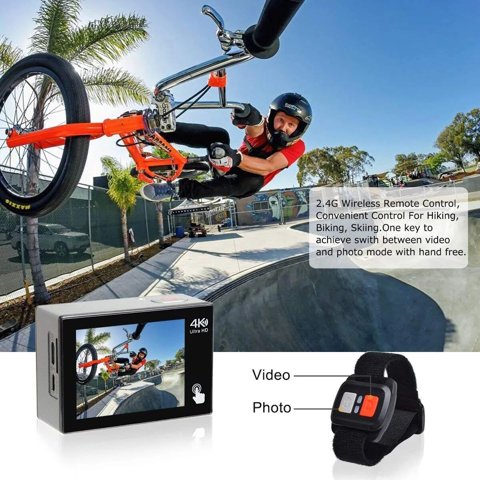
The included 2.4G wireless remote control wristband is arguably the X20C’s most practically useful feature over lower-tier Campark models — it lets you start and stop recording or switch between video and photo mode hands-free, which matters considerably during activities like biking, skiing, or hiking where reaching the camera body directly isn’t always convenient or safe.
Native 4K/30fps vs Interpolated 4K
The X20C records native 4K at a full 30fps rather than the 25fps ceiling found on some lower-tier Campark models, which makes a genuine difference for footage involving faster motion. “Native” here specifically means the sensor captures at true 4K resolution rather than upscaling from a lower native resolution — worth confirming when comparing against competing budget cameras, since some cheaper alternatives advertise 4K output that’s actually interpolated from 1080p or 2.7K capture.
I used the X20C’s wristband remote during a mountain biking session where reaching for the camera mid-ride wasn’t practical, and being able to start recording with a single button press on my wrist made a genuinely noticeable difference in how much usable footage I captured compared to a previous camera without remote control.
Per Marcus T., who is an Action Sports Videographer and G2 reviewer, “A wireless remote like the one bundled with the X20C genuinely changes what footage is even possible to capture during fast-moving activities where reaching the camera body isn’t realistic mid-action.”
Battery Life and the Dual-Battery Kit
Two 1050mAh batteries are included rather than one, which matters given how much faster continuous 4K recording drains power compared to lower resolutions. Having a charged spare on hand extends a full day of shooting without needing to interrupt an outing to recharge mid-session.
40m Waterproof Rating
At 40m/131ft, the X20C’s included waterproof housing covers most recreational diving and snorkeling depths comfortably, going beyond what casual swimmers typically need but offering useful headroom for more serious water activities. As always, confirming the housing’s seal is free of debris before every underwater session is the single best way to avoid water damage.
Touch Screen and Menu Navigation
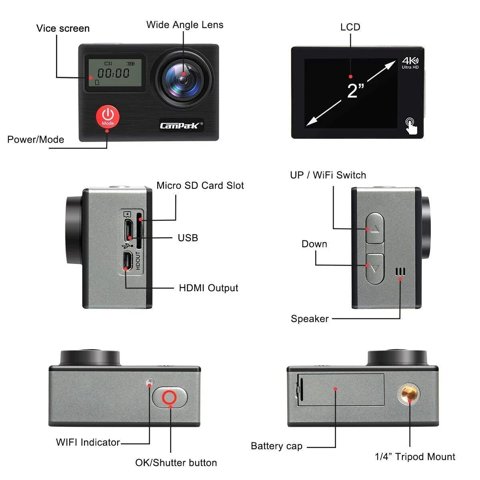
The 2-inch LCD touch screen makes changing settings and reviewing footage straightforward without needing the app for basic operation, which is convenient for quick adjustments in the field when pulling out your phone isn’t practical. For serious footage review, transferring to a computer or phone still gives a much better sense of actual image quality than the small on-camera screen.
Pairing the Remote Correctly
The wristband remote needs to be paired with the camera before first use, typically through a menu option on the camera itself. Once paired, it stays linked for future sessions without needing to repeat the process, though if you ever reset the camera to factory settings, re-pairing the remote is usually necessary afterward.
Troubleshooting Common Issues
- Wireless remote will not pair: re-enter pairing mode from the camera menu and keep the wristband within a couple of feet during the handshake; a factory reset always requires re-pairing afterward.
- Camera will not power on: confirm a battery is seated correctly and charged, and try the spare battery from the kit to rule out a drained cell before assuming a hardware fault.
- Water leaking into the housing: check the rubber seal for trapped hair, sand, or lint before every underwater session, since debris on the seal is the most common cause of a failed watertight fit.
- Alternate control path: if the wristband remote loses connection mid-activity, the touch screen and physical buttons on the camera body still handle recording start/stop and mode switching directly.
Frequently Asked Questions
Does the X20C really shoot native 4K, not upscaled?
Yes, the sensor captures true native 4K at 30fps rather than interpolating from a lower resolution.
Do I need to pair the wireless remote every time I use the camera?
No, pairing is a one-time setup step unless you factory reset the camera, after which re-pairing is usually required.
How deep can I take the X20C underwater?
Up to 40m/131ft with the included waterproof housing properly sealed.
Is one battery enough for a full day of shooting?
Usually not for continuous 4K recording — the included second battery is worth carrying charged and ready for longer outings.
Can I use the touch screen instead of the app for basic settings?
Yes, the on-camera touch screen handles most basic settings and playback without needing the phone app.
Storage Recommendations
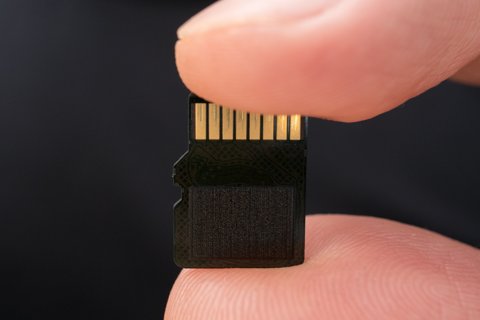
Given the X20C’s full native 4K/30fps output, pairing it with a fast, higher-capacity microSD card avoids potential dropped frames during longer recording sessions. A Class 10 or UHS-3 rated card is a sensible minimum, and buying a larger capacity than you think you need upfront saves having to swap cards mid-activity when you least want to stop and fumble with gear.
Who the X20C Suits Best
The X20C is a strong fit for buyers specifically doing hands-free activities like biking, skiing, or hiking where the wireless remote’s convenience outweighs a small price premium over more basic Campark models. For purely handheld or tripod-mounted use where remote control matters less, a lower-tier model without the wristband accessory may offer comparable image quality for less money.
Card and Storage Recommendations
Native 4K/30fps footage produces meaningfully larger files than lower resolutions, so a higher-capacity, fast-write microSD card is worth the modest extra cost to avoid dropped frames during longer continuous recording sessions. A Class 10 or UHS-3 rated card handles the X20C’s full 4K output without the storage bottlenecks a slower budget card might introduce.
Comparing the X20C to the Base X20
The “C” designation typically indicates the remote-control-equipped variant within Campark’s X20 line, meaning the core imaging specs are shared with the base X20 while the bundled wireless remote is the main differentiator. If hands-free control isn’t a priority for your use case, checking whether the base X20 is available at a lower price without the remote could save some money without sacrificing image quality.
Conclusion
The Campark X20C earns its place a step above entry-level Campark cameras primarily through its wireless remote control and true native 4K/30fps recording, both of which matter meaningfully for hands-free action sports use. The 40m waterproof rating and dual-battery kit round out a genuinely well-equipped package for its price tier, making it a sensible upgrade pick for anyone whose activities specifically benefit from remote-triggered recording over reaching for the camera body mid-action.
Ryan
CS degree · 20+ years hands-on hardware testing