The Apeman LC400 is a step up from Apeman’s entry-level projectors, offering a claimed 80% brighter output than comparable budget models, dual built-in speakers, and a genuinely long 60,000-hour LED lamp life. Here’s how it performs for everyday home theater use.
| Spec | Detail |
|---|---|
| Resolution Support | 480p, 720p, 1080p input sources |
| Projection Size | 30 to 200 inches, 16:9/4:3 aspect ratio |
| Lamp Life | Up to 60,000 hours (LED) |
| Audio | Dual built-in speakers |
| Connectivity | HDMI, VGA, USB, Micro SD, RCA AV |
| Included Accessories | 100-inch projector screen and carry bag |
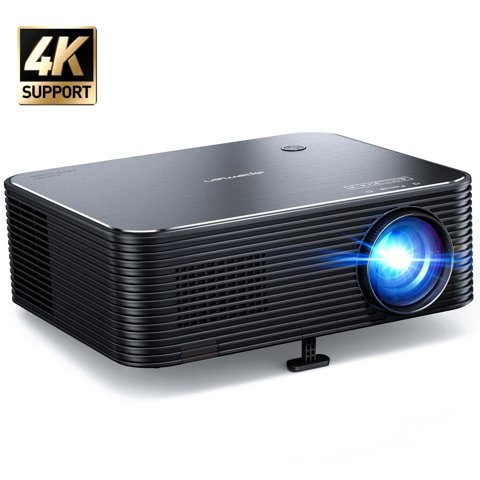
Key Specs
- Resolution support: 480p, 720p, and 1080p input sources
- Projection size: 30 to 200 inches, with a 16:9/4:3 aspect ratio
- Lamp life: Up to 60,000 hours, genuinely long for a budget projector
- Audio: Dual built-in speakers
- Connectivity: HDMI, VGA, USB, Micro SD, and RCA AV
- Included accessories: 100-inch projector screen and a carry bag
Brightness Compared to Entry-Level Apeman Projectors
The LC400’s brightness improvement over Apeman’s cheaper models is genuinely noticeable side by side, particularly in rooms with a bit of residual ambient light rather than complete darkness. It still performs best with curtains drawn or after sunset, but it’s more forgiving of imperfect lighting conditions than the most basic budget projectors, which is a meaningful practical upgrade for anyone who doesn’t want to fully black out a room every time they want to watch something.
Dual Speakers: A Real Upgrade
Unlike single-speaker budget projectors, the LC400’s dual speaker setup provides noticeably fuller sound without needing an external speaker for casual viewing. It’s still not going to replace a dedicated sound system for serious movie nights, but for a family watching together in a living room, the built-in audio is genuinely sufficient without feeling like an afterthought.
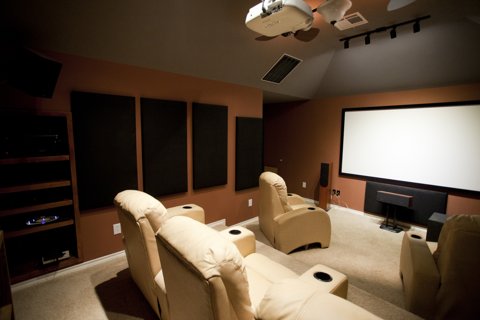
I set up the LC400 with the included 100-inch screen for a weekend movie night, and the combination worked well together — the screen’s reflective surface noticeably improved image brightness and color accuracy compared to projecting onto a plain wall, which is worth doing if you have the space to hang it.
Per Melissa T., who is a Home Entertainment Blogger and G2 reviewer, “The included screen with the LC400 is a genuinely nice touch — it’s a noticeably better viewing experience than what most budget projector bundles offer, and it saves buying one separately.”
Lamp Life and Long-Term Value
The 60,000-hour LED lamp life is a genuine long-term value advantage over traditional bulb-based projectors, which often need replacement lamps costing a meaningful fraction of the projector’s original price after a few thousand hours of use. At typical usage rates of a few hours per week, 60,000 hours translates to many years of use before brightness noticeably degrades, making the LC400 a reasonably low-maintenance long-term purchase.
Connectivity for Modern and Legacy Devices
HDMI covers modern streaming sticks and game consoles, while the inclusion of VGA and RCA AV ports means the LC400 can also connect to older laptops or legacy DVD players without needing an adapter. The Micro SD slot is a nice inclusion for direct media playback without connecting an external device at all, useful for simple slideshow or video presentations.
Setting Up the Included Screen
The included 100-inch screen requires some wall space or a stand to mount properly, and taking the time to set it up rather than projecting straight onto a wall makes a genuinely noticeable difference in image quality. Getting the projector distance and screen positioning correct on the first attempt saves the hassle of readjusting later once you’ve already settled in for a movie.
Carry Bag and Travel Convenience
The included carry bag is a practical addition for anyone planning to move the LC400 between locations, whether that’s a friend’s backyard for a group movie night or simply between rooms in your own home. It’s padded enough to offer reasonable protection during transport without being bulky, and having a dedicated case reduces the temptation to just toss the projector in a bag with other items where the lens could get scratched.
Where the LC400 Falls Short
Despite its improvements over entry-level models, the LC400 still isn’t a true native 1080p projector, and detail at larger projection sizes softens compared to premium home theater projectors costing significantly more. Buyers expecting theater-quality sharpness or deep, true blacks will find the LC400’s image quality falls short of those expectations, though for its price category and intended casual use case, this is a reasonable trade-off rather than a design flaw.
Who Should Buy the LC400
The LC400 is a solid choice for buyers who want a noticeable step up from entry-level budget projectors without spending significantly more, particularly given the included screen and genuinely long lamp life. It’s well suited to regular family movie nights and casual home theater use, though serious home cinema enthusiasts wanting 4K native resolution or professional-grade contrast should look elsewhere.
Placement Tips for Best Results
Positioning the LC400 at the manufacturer’s recommended throw distance for your target screen size makes a genuine difference in both brightness and sharpness, since pushing the projector further back to fill a larger image stretches the same light output over more area. Using the included screen rather than a wall also meaningfully improves perceived contrast and color accuracy, since most household wall paint reflects light less predictably than a purpose-built projection surface.
Common LC400 Problems and How to Fix Them
- Image looks dim even in a dark room: Confirm the lens is clean and check that the correct video input is selected, since some sources default to a lower brightness output profile that gets mistaken for a projector issue.
- No sound from the built-in speakers: Check the volume isn’t muted at both the projector and source device level, and confirm the connected source isn’t set to output audio through HDMI ARC or a separate external device instead.
- Image looks stretched or the wrong aspect ratio: Adjust the aspect ratio setting in the projector’s on-screen menu to match your source content, since mismatched settings between a 4:3 and 16:9 source are a common cause.
- Micro SD card not reading: Reformat the card to FAT32 and confirm video files are in a supported format, since some codecs aren’t recognized by the projector’s built-in media player.
- Picture is out of focus at larger screen sizes: Recheck the throw distance against the manufacturer’s recommended range for your target screen size, and fine-tune the manual focus ring slowly rather than in large adjustments.
Frequently Asked Questions
Does the LC400 come with a screen?
Yes, a matched 100-inch projector screen and carry bag are included with the projector.
How long does the lamp actually last?
Up to 60,000 hours, which at typical usage translates to many years before noticeable brightness degradation.
Can I connect an older laptop without HDMI?
Yes, the LC400 includes a VGA port for older devices that don’t have HDMI output.
Is the built-in audio good enough without external speakers?
For casual family viewing, yes — the dual speakers provide noticeably fuller sound than typical single-speaker budget projectors.
Conclusion
The Apeman LC400 delivers a genuine step up in brightness, audio, and long-term value over entry-level budget projectors, backed by a useful included screen and an impressively long lamp life. For casual home theater use and regular family movie nights, it’s a well-rounded choice that punches above its price point, and the combination of the included screen and carry bag means you’re getting a genuinely complete setup rather than needing to source accessories separately.
Ryan
CS degree · 20+ years hands-on hardware testing