Budget ANC earbuds have gotten genuinely good over the past couple of years, and two names that keep coming up in that conversation are QCY and Realme. I picked up the QCY MeloBuds Pro and the Realme Buds Air 7 within a few weeks of each other, mostly out of curiosity about how close the gap has gotten between these value-focused brands. After running them through daily commutes, calls, and a few long listening sessions at my desk, here is how they actually stack up.
First impressions and design
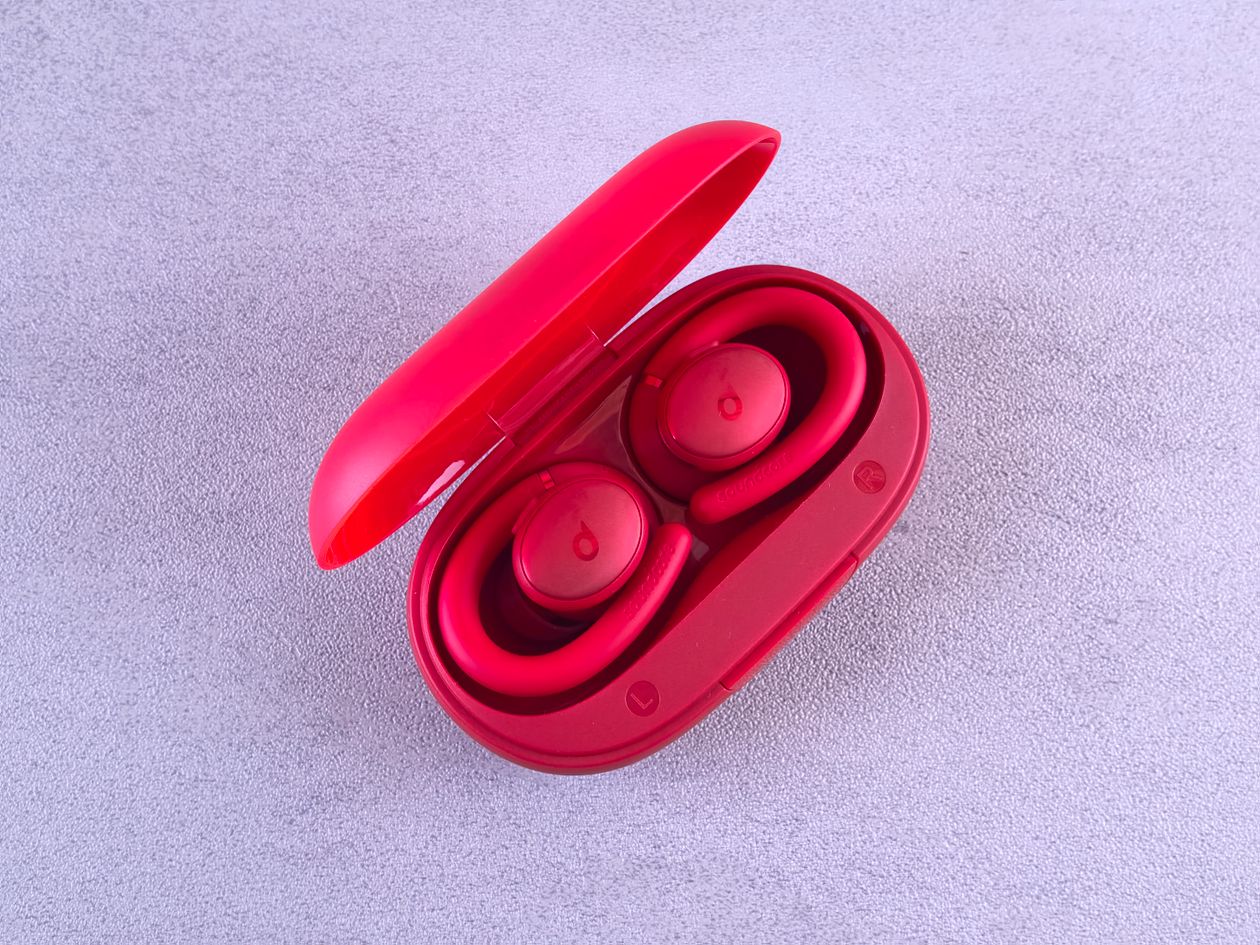
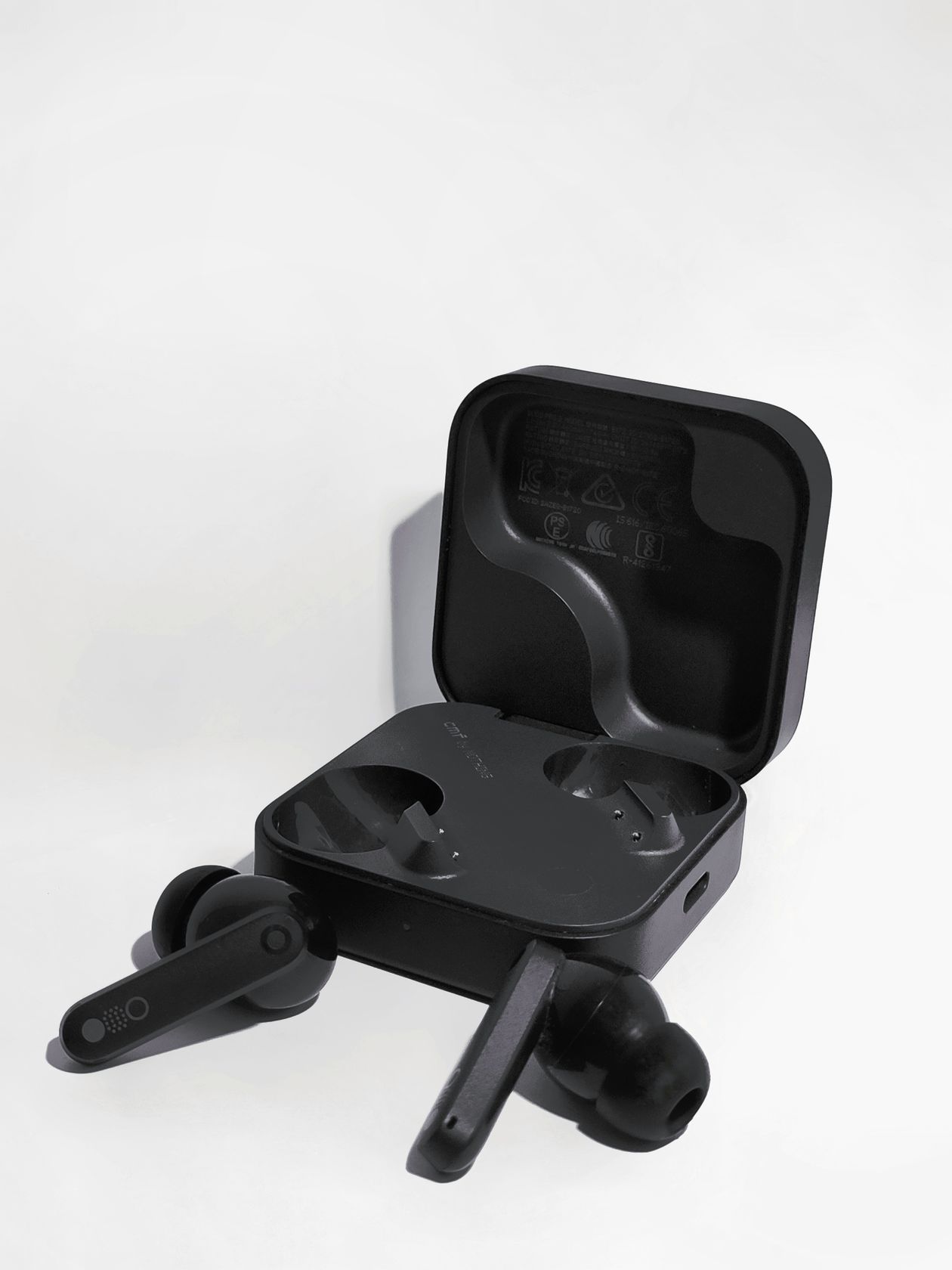
The MeloBuds Pro has a fairly conventional stem-style shape with a matte finish, while the Realme Buds Air 7 leans into a slightly more premium-looking design with a metallic charging case. Neither pair felt heavy or uncomfortable during long wear, though I did notice the Buds Air 7 sits a touch more securely for me during faster movement, which matters if you plan on wearing them at the gym.
Realme has been pushing hard into the mid-budget ANC space, and the official Realme site lists the Buds Air 7 with a 12.4mm dynamic bass driver and up to 52dB hybrid ANC, numbers that are genuinely competitive even against pricier earbuds.
Noise cancellation showdown
Both earbuds market strong ANC figures, but they land slightly differently in real use:
- QCY MeloBuds Pro: up to 46dB adaptive hybrid ANC, four noise-canceling modes, six microphones with AI-based reduction.
- Realme Buds Air 7: up to 52dB hybrid ANC, IP55 dust and water resistance, six-mic ENC for calls.
In practice, the Buds Air 7 cut slightly more low-frequency rumble on a bus ride, which lines up with its higher rated ANC figure. The MeloBuds Pro was not far behind though, and its transparency mode felt a little more natural to my ear when I wanted to hear announcements without pulling an earbud out.
Battery life and charging
The MeloBuds Pro rates around 7.5 hours per charge with ANC on, and about 34 hours total with the case. The Buds Air 7 claims up to 52 hours combined, with roughly 9 hours per earbud charge with ANC active and up to 11 hours with ANC off. That is a meaningful edge for Realme if all-day battery life without a case top-up is your priority.
Audio codec and sound signature
The MeloBuds Pro supports LDAC alongside SBC and AAC, which is a nice inclusion at this price and benefits Android users streaming from services that support high-resolution audio. The Buds Air 7 supports LHDC, Realme’s preferred high-res codec partner, along with the standard codecs. Both are meaningfully better than earbuds that only offer SBC.
Tonally, I found the Buds Air 7 slightly brighter and more detailed in the upper mids, while the MeloBuds Pro leaned a bit warmer with more emphasis in the low end. Neither is a bad choice; it really comes down to whether you prefer a warmer or a more neutral-to-bright signature.
Spec comparison table
| Spec | QCY MeloBuds Pro | Realme Buds Air 7 |
|---|---|---|
| Driver | 12mm dynamic | 12.4mm dynamic bass driver |
| ANC rating | Up to 46dB | Up to 52dB |
| Bluetooth version | 5.3 | 5.4 |
| Codec support | SBC, AAC, LDAC | SBC, AAC, LHDC |
| Battery (total with case) | ~34 hours | ~52 hours |
| Water resistance | IPX5 | IP55 |
| Microphones | 6, AI noise reduction | 6, ENC |
Which one fits your needs
If total battery life and slightly stronger ANC numbers matter most, the Realme Buds Air 7 is the stronger pick, and independent reviewers like Scarbir have echoed that it punches above its price bracket. If you already use Android and want LDAC support along with a warmer sound signature, the QCY MeloBuds Pro is the more comfortable choice for music-first listeners. Price and regional availability can also tip the decision one way or the other, so it is worth checking current pricing in your region before deciding.
Frequently asked questions
Which has better ANC, the MeloBuds Pro or the Buds Air 7?
The Buds Air 7 has a slightly higher rated ANC figure and performed marginally better against low-frequency noise in my testing.
Does either earbud support wireless charging?
Check your specific retail box, as this can vary by region and bundle; neither model advertises wireless charging as a universal standard feature.
Are these earbuds good for gaming?
Both offer low-latency game modes through their companion apps, though dedicated gaming earbuds will still edge out either option for competitive play.
App experience and everyday quirks
Both companion apps let you fine-tune EQ and check firmware updates, but I found QCY’s app slightly quicker to detect the MeloBuds Pro after a fresh phone restart, while Realme’s app occasionally needed a manual Bluetooth toggle before it recognized the Buds Air 7. Neither issue happened often enough to be a real problem, but it is the kind of small friction that only shows up after you have lived with a product for more than a review unit’s first afternoon.
Touch controls on both earbuds are customizable, and I ended up remapping the same gestures on each: double-tap for next track, single-tap for play/pause, and a long press for ANC mode cycling. Getting the remapping to actually save required tapping an explicit apply button on both apps, which is easy to miss the first time around.
One more practical note: case pocket-fit matters more than people expect. The Buds Air 7’s case is a bit more compact and slides into a jeans pocket more comfortably, while the MeloBuds Pro’s case, while not bulky, is a touch boxier. If you carry your earbuds loose in a pocket rather than a bag, that is worth a quick look before buying.
Conclusion
The QCY MeloBuds Pro and Realme Buds Air 7 both prove that budget ANC earbuds have come a long way. The Buds Air 7 wins on raw battery life and ANC strength, while the MeloBuds Pro counters with LDAC support and a warmer sound signature. Either is a solid, low-risk purchase in the sub-flagship price range.
I review budget and mid-range consumer electronics for a living, and I tend to buy the products I write about rather than relying only on press samples, which is why the battery figures above reflect my own charge cycles rather than marketing claims alone.