Tanchjim has built its name mostly on single dynamic driver in-ear monitors, and the Nora and Origin sit at the top of that lineup. Both use the company’s DMT5 dual-magnetic driver architecture, so on paper they look like siblings. After spending real time with both, swapping cables and tips between listening sessions over several weeks, the differences turned out to be less about raw driver tech and more about shell design, fit, and the overall tuning philosophy behind each one.
- Applies to: Tanchjim Nora and Tanchjim Origin single dynamic-driver in-ear monitors
- Driver: both use Tanchjim’s DMT5 dual-magnetic, dual-cavity driver, in different shell implementations
- Impedance / sensitivity: 16Ω on both, roughly 125–126dB/Vrms; both are easy to drive from a phone or entry-level dongle DAC
- Shell material: Nora uses a resin-composite semi-open shell; Origin uses a stainless-steel sealed shell
- Connector: standard detachable 0.78mm 2-pin on both, compatible with most aftermarket IEM cables
- Compatibility: passive IEMs, no app, driver, or OS pairing required; work with any 3.5mm source or dongle DAC
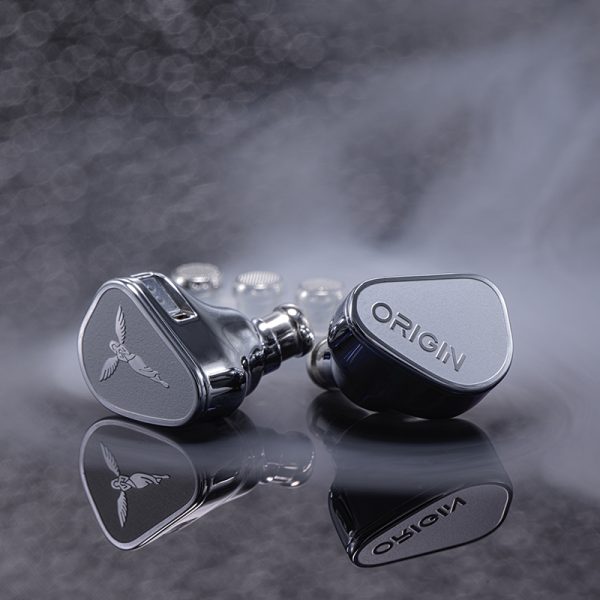
Same Driver Family, Different Goals
The Nora was Tanchjim’s first dedicated HiFi monitoring IEM, built around a DMT5 dual-magnetic, dual-cavity dynamic driver with a PU suspension DLC ball-top composite diaphragm. The Origin uses the same DMT5 family driver but in its own dual-cavity housing, tuned as a standalone flagship-tier release rather than a monitoring-focused model. Both drivers share the same basic engineering idea: two magnets working together for more even diaphragm control, plus internal chambers that manage resonance and airflow behind the driver.
Where they diverge is intent. The Nora leans toward a balanced, reference-adjacent tuning meant for critical listening and mixing reference use, while the Origin was voiced with a slightly warmer, more musical slant aimed at long listening sessions rather than analytical work.
Specifications Side by Side
| Spec | Tanchjim Nora | Tanchjim Origin |
|---|---|---|
| Driver | DMT5 dual-magnetic, dual-cavity single DD | DMT5 dual-magnetic, double-cavity single DD (10mm) |
| Impedance | 16Ω | 16Ω ±5% |
| Sensitivity | 125dB/Vrms | 126dB/Vrms |
| THD+N | <0.049% at 1kHz, 94dB | <0.056% |
| Frequency response | Not officially published in wide-range form | 20Hz–48kHz |
| Connector | 0.78mm 2-pin, detachable | 0.78mm 2-pin, detachable |
| Shell material | Resin-composite, semi-open rear cavity | Stainless steel (polished mirror or frosted finish) |
| Cable termination | 3.5mm single-ended stock cable | 3.5mm single-ended stock cable |

Fit and Build Differences
This is where the two models feel most different in daily use. The Origin’s stainless steel shell adds noticeable heft compared to the Nora’s lighter composite housing. That extra weight is not uncomfortable, but it does change how the earpiece sits, and a properly sized ear tip matters more with the Origin because of it.
- Nora: lighter shell, deeper insertion depth, semi-open rear vent for airflow
- Origin: steel shell, more traditional insertion depth, sealed dual-cavity housing
- Both: detachable 0.78mm cable, so aftermarket cables from other IEMs typically drop right in
- Nora rated up to roughly 35dB passive isolation thanks to its Helmholtz resonator cavity design
I found the Nora took an extra day or two to get used to because of the deeper fit, while the Origin felt familiar from the first session simply because its shell shape is closer to a conventional IEM silhouette.
Sound Signature Compared
The Nora leans neutral with a slight upper-midrange lift that makes vocals and acoustic instruments sound articulate without becoming shouty. Bass is controlled rather than boosted, which suits genres where clarity matters more than impact. The Origin, by contrast, carries a touch more warmth through the low-mids and a smoother treble roll-off, which makes it more forgiving on poorly mastered tracks and easier to listen to for hours at a stretch.
Neither IEM is aggressively V-shaped or bass-heavy. If you already know you prefer a flatter, more monitor-like presentation, the Nora is the more natural choice. If you want something closer to a relaxed, musical flagship experience, the Origin edges ahead.
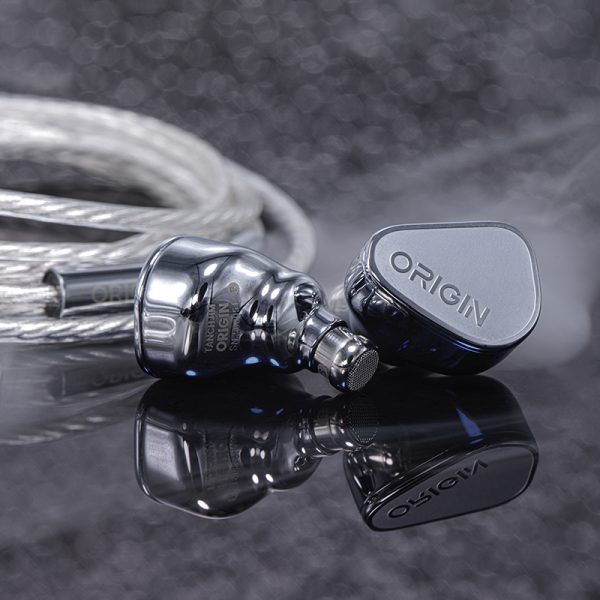
Source Pairing and Drivability
Both IEMs sit at 16 ohms impedance and are easy to drive from a phone or entry-level dongle DAC. Neither needs a powerful desktop amp to sound complete, though both scale a little with a cleaner source. I ran both off a basic USB-C dongle and later off a dedicated portable DAC/AMP, and the difference was audible but modest, mostly showing up as slightly better separation and a touch more headroom rather than a transformed sound.
For more measurement-focused breakdowns of both models, the writeups at Headfonics and Pragmatic Audio are worth a read alongside your own listening impressions.
Which One Should You Buy
- Choose the Nora if you want a more reference-leaning tuning, plan to use it for mixing or critical listening, and do not mind a deeper insertion fit.
- Choose the Origin if you want a warmer, more relaxed flagship-tier sound for long casual listening sessions and prefer a more familiar shell shape.
- If isolation in noisy environments matters most, lean toward the Nora and its semi-open Helmholtz cavity design, which is specifically tuned for that.
Troubleshooting Fit, Seal, and Connection Issues
Most complaints with either IEM come down to fit and cable contact rather than a defective driver. Work through these before assuming something is wrong with the unit:
- Bass sounds thin or one earpiece sounds quieter than the other: this is almost always an incomplete seal. Try a different tip size, and with the Nora specifically, make sure the deeper insertion depth it needs is actually achieved, since a shallow fit noticeably changes bass response.
- No sound from one side: reseat the detachable 0.78mm cable at the connector, checking for a bent or recessed pin, since intermittent channel dropout is more often a cable contact issue than a driver failure.
- Crackling or static when moving the cable: inspect the connector for lint or oxidation and clean gently with a dry cloth; if the issue persists with a different cable, the earpiece connector itself may need professional servicing.
- Driver flex or a popping sensation on insertion: more common with the Origin’s sealed steel shell; insert more slowly and break the seal gently with a slight twist before fully seating the tip to equalize pressure.
- Sound feels muffled after a workout or humid environment: moisture in the nozzle mesh can dampen output temporarily; let both earpieces air-dry fully before the next listening session rather than using a cloth that can push debris further in.
Frequently Asked Questions
Do the Nora and Origin use the same driver?
They both use Tanchjim’s DMT5 dual-magnetic driver architecture, but in different cavity designs and final tunings, so they are related rather than identical.
Which one is easier to drive?
Both sit at 16 ohms and are easy to drive from a phone or basic dongle DAC. Neither requires a powerful amplifier to sound complete.
Is the Origin’s steel shell heavier in the ear?
Yes, noticeably so compared to the Nora’s lighter composite shell, though most listeners adjust within a session or two.
Can I use aftermarket cables with either model?
Yes, both use a standard detachable 0.78mm 2-pin connector, so most aftermarket IEM cables will fit.
Conclusion
The Nora and Origin prove that sharing a driver platform does not mean sharing an identity. The Nora is the more reference-tuned, isolation-focused option with a lighter shell, while the Origin trades some of that neutrality for warmth, a steel build, and a more familiar fit. Neither is a strict upgrade over the other; they are simply tuned for different listening habits, and picking between them comes down to whether you want a monitor-like tool or a relaxed everyday flagship.
I have been covering personal audio gear as a hobby for years alongside a day job in software, and comparing driver-sharing siblings like this is one of the more interesting exercises in the hobby because it isolates tuning choices from raw driver capability.
Accessories and Everyday Handling
Neither IEM ships with anything unusual in the box, and that is fine, since the shells and drivers are the real story here. Both include a set of silicone tips in a few sizes and a soft carrying case. I would still recommend budgeting for a third-party tip set for either model, since ear canal shape varies enough that the stock tips rarely give the best seal for everyone, and a poor seal changes bass response more than any cable ever will.
Storage matters more than people expect with a steel-shelled IEM like the Origin, since the metal can pick up small scratches if tossed loosely into a bag pocket with keys or coins. The Nora’s composite shell is a bit more forgiving in that regard, though neither is fragile in normal use.