Budget in-ear monitors have gotten so good over the past few seasons that picking between two respected names almost feels like splitting hairs. The original Moondrop Aria and the Truthear Hexa are two of the earphones I get asked about most often by readers who want a noticeable step up from stock earbuds without spending audiophile money. I have owned both for a long stretch, swapping them in and out of my daily commute rotation, and this comparison is based on that actual back-to-back listening rather than a quick unboxing session.
Before going further, a quick clarification: this comparison covers the original Moondrop Aria, the single dynamic-driver design that first made Moondrop a household name in the budget IEM scene, not the newer Aria 2. If you already own the Aria 2, the driver and tuning changed enough that this write-up will not map cleanly onto that model.
Driver design and build quality
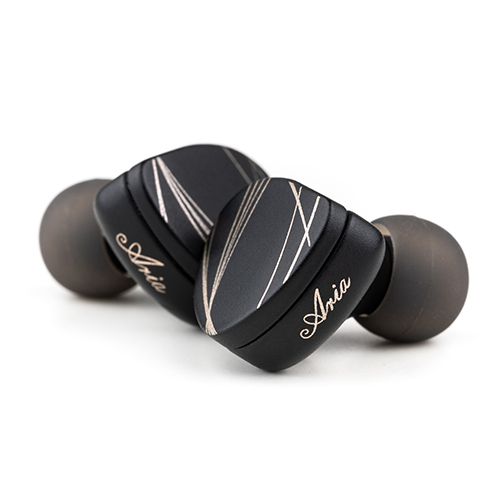
The Aria uses a single 10mm dynamic driver with an LCP (liquid crystal polymer) diaphragm housed in a double-cavity chamber. Moondrop’s own listed sensitivity is 122dB/Vrms at 32 ohms nominal impedance, so it is easy to drive from a phone directly. The shell is a resin-and-metal faceplate combo that feels dense for the price and has held up well over months of daily bag-and-pocket use.
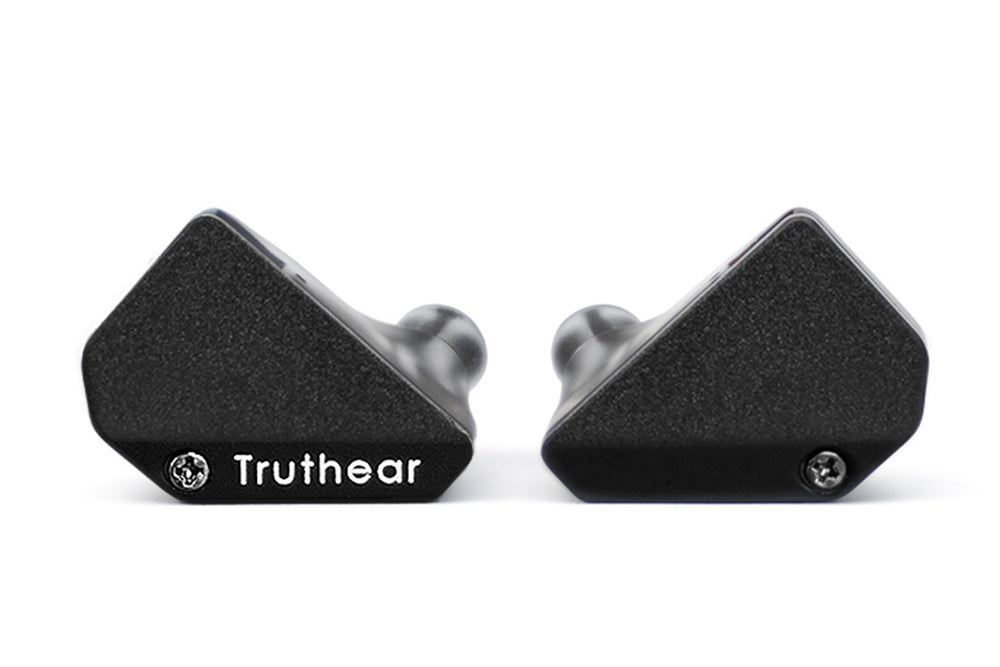
The Hexa takes a different approach with a hybrid 1 dynamic driver plus 3 balanced armature configuration. The 10mm dynamic driver uses a PU-suspended LCP composite diaphragm tuned for bass duties, while a full-range balanced armature handles the midrange and a dedicated armature covers treble. Truthear also used DLP 3D-printed acoustic waveguides to manage how the armature output reaches your ear canal, which is a fairly involved bit of engineering for something in this price bracket.
- Aria: single 10mm dynamic driver, LCP diaphragm, 32-ohm impedance, 122dB/Vrms sensitivity
- Hexa: 1DD + 3BA hybrid, PU+LCP composite diaphragm, roughly 20.5-ohm impedance, 120dB/Vrms sensitivity
- Both use standard 0.78mm 2-pin detachable cables, so aftermarket cable swaps are simple
Sound signature: where they actually differ
The Aria leans into Moondrop’s signature VDSF-adjacent tuning: a gentle bass boost, a fairly neutral midrange, and treble that stays smooth rather than sparkly. It is an easy, fatigue-free listen that works for long sessions, though the single dynamic driver means it does not resolve fine treble detail quite as sharply as a hybrid design can.
The Hexa’s extra armature drivers show up most in the treble and upper-midrange, where instrument separation and cymbal decay sound a touch more defined. Bass quantity is similar between the two, but the Hexa’s dynamic driver feels a little quicker and more controlled during fast bass lines, while the Aria’s bass is a touch warmer and more rounded. Vocals sit slightly more forward on the Hexa thanks to that dedicated midrange armature.
| Spec | Moondrop Aria | Truthear Hexa |
|---|---|---|
| Driver configuration | 1 dynamic driver (LCP diaphragm) | 1 dynamic driver + 3 balanced armatures |
| Impedance | 32Ω | 20.5Ω ±15% |
| Sensitivity | 122dB/Vrms | 120dB/V @1kHz |
| Frequency response (effective) | 20Hz–20kHz | 20Hz–40kHz |
| Connector | 0.78mm 2-pin | 0.78mm 2-pin |
| Tuning character | Warm, smooth, fatigue-free | Slightly brighter, more resolving treble |
Comfort and fit over a full day
Fit is where personal ear shape matters more than any spec sheet. I found the Aria’s rounder shell comfortable for long sessions, though the resin edges can dig in slightly if you have smaller ears. The Hexa’s shell is a bit more ergonomically shaped around the concha, and I noticed less fatigue wearing it during a full workday with a headset over it for calls.
Neither earphone isolates as aggressively as a full balanced-armature flagship, but both do a reasonable job blocking office chatter once you get a good tip seal. I would recommend trying a couple of stock and aftermarket tip sizes with either one, since seal depth changes the perceived bass quantity more than most people expect.
Which one should you actually buy
If you already know you prefer a smoother, more relaxed tuning and plan to listen for hours at a stretch, the Aria remains a genuinely good choice years after its debut. If you want a bit more treble sparkle, tighter bass control, and don’t mind a marginally more complex hybrid design, the Hexa edges ahead in resolution for roughly similar money depending on regional pricing and sales.
My own listening habits skew toward the Hexa for critical listening sessions at my desk, but I still reach for the Aria on days when I want something that simply disappears and lets me enjoy music without thinking about the gear.
Frequently asked questions
Is the Truthear Hexa a direct upgrade over the Moondrop Aria?
Not exactly a straight upgrade — it is a different driver approach with a slightly different tonal balance. Most listeners find the Hexa marginally more resolving in the treble, but the Aria’s smoother signature is preferred by some for long listening sessions.
Can I drive both of these straight from a phone?
Yes. Both are efficient enough (32Ω and roughly 20.5Ω) to reach comfortable listening volumes from a phone’s headphone jack or a basic USB-C dongle without needing a dedicated amplifier.
Do they use the same size ear tips and cables?
Both use standard 0.78mm 2-pin connectors, so cables are interchangeable between the two and with most other IEMs in this connector family. Ear tip fitment will vary slightly by nozzle shape, so it is worth testing a couple of tip sizes.
Which one is better for gaming or movies?
The Hexa’s slightly more forward upper-midrange can help with dialogue clarity and footstep cues in games, while the Aria’s smoother tuning is easier on the ears during long movie marathons.
Final thoughts
I don’t think you can go wrong picking either the Moondrop Aria or the Truthear Hexa as a first real step up in in-ear audio. They represent two different engineering philosophies at a similar price point, and the right pick genuinely comes down to whether you prioritize smoothness or resolution. Read a few more reviews, check current pricing where you shop, and if you can audition them at a local meet or store, trust your own ears over any single review — mine included.
About the author: I have been tinkering with budget and mid-fi audio gear for years, cataloguing driver specs and burn-in results mostly so I don’t have to trust marketing copy at face value.