When I first unboxed the Hidizs MK12 Turris Titanium Edition, I honestly expected another aluminum-shell earphone with a shiny sticker slapped on the box to justify a higher price. That is not what this is. The Titanium Edition is a limited run of the standard MK12 Turris in-ear monitor, machined from solid titanium alloy instead of the usual resin or aluminum, and after two weeks of daily commuting with it I can say the material swap actually changes how the earphone feels and, to a smaller degree, how it sounds.
This guide walks through what the MK12 Titanium actually is, how it differs from the standard Turris, who it makes sense for, and the practical details (fit, cable, driver, price) that most spec sheets skip.
Quick Specs
- Model: Hidizs MK12 Turris (Titanium Edition)
- Driver: 12mm dynamic driver, 91% pure magnesium diaphragm
- Frequency Response: 10Hz–45kHz rated, 20Hz–20kHz effective
- Impedance / Sensitivity: 32 ohm, 111dB
- Price Tier: Budget-to-mid, around $199 standard colorways, $249 for the limited Titanium run
- Compatibility: Detachable 2-pin cable, standard 3.5mm single-ended with 4.4mm balanced options; easy to drive from a phone or basic dongle DAC
What the MK12 Turris Titanium Edition actually is
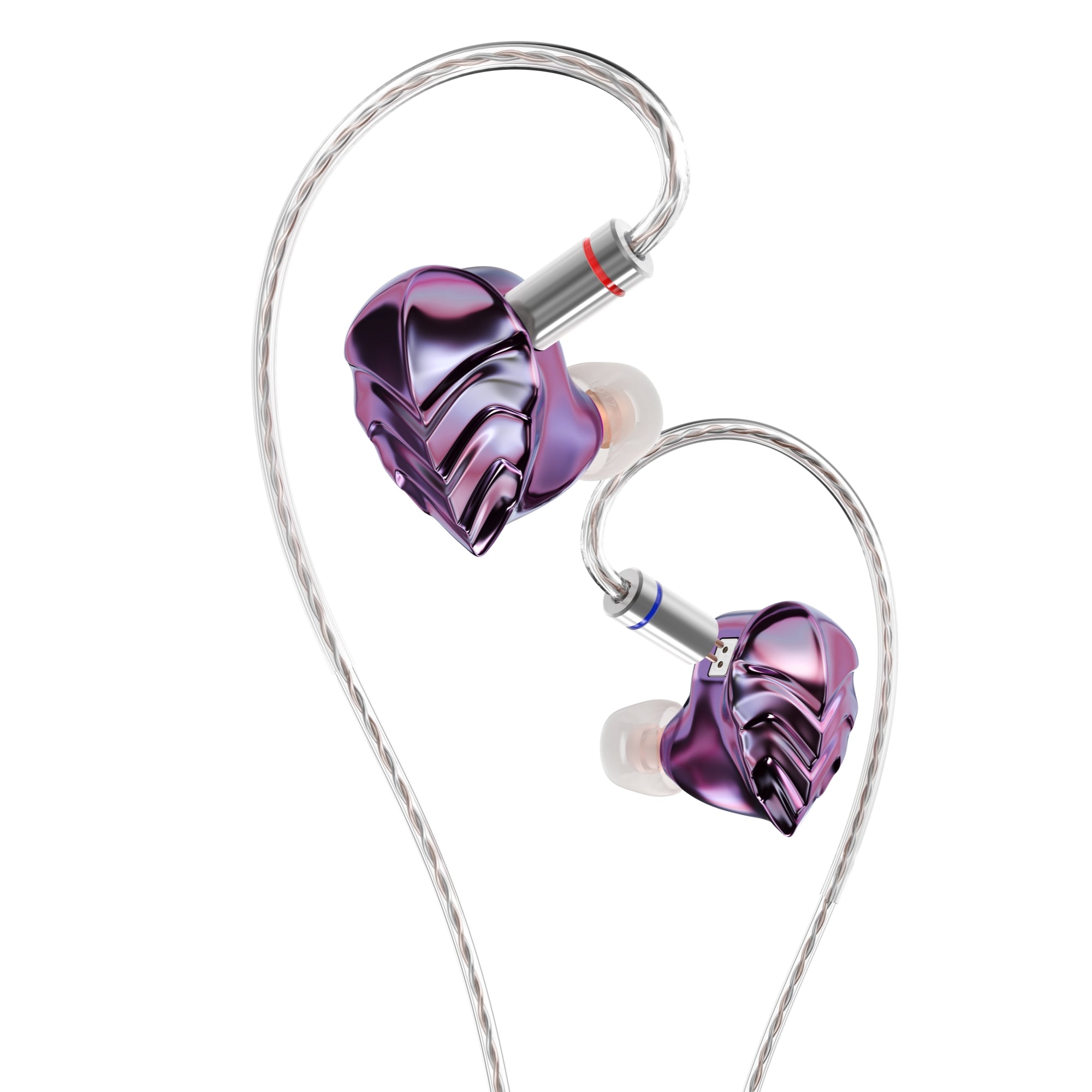
Let’s clear up the naming first, since it trips a lot of shoppers up. The “MK12” is not a digital audio player or a dongle DAC — it is an in-ear monitor (IEM), meaning it plugs into whatever source you already own (a phone, a dongle DAC, or a DAP) through a detachable cable. The “Turris” is the model name, and “Titanium” refers to a gradient-tint titanium alloy shell edition that Hidizs released as a limited run alongside the standard resin and aluminum-gunmetal colorways.
Inside, all versions of the Turris use the same driver: a 12mm dynamic driver built with a 91% pure magnesium diaphragm. Magnesium is stiffer and lighter than the more common titanium-coated or PU diaphragms found in budget earphones, which in theory lets it move faster and resist distortion at higher volumes. The titanium shell itself does not change the driver, but titanium’s density and natural damping properties are said to reduce shell resonance, which is the faint buzz or smear you sometimes get from cheaper plastic housings during bass-heavy passages.
Key specifications
- Driver: 12mm dynamic driver, 91% pure magnesium diaphragm
- Frequency response: 10Hz–45kHz (rated), 20Hz–20kHz effective range
- Shell material: CNC-machined titanium alloy with gradient-tint coating (Titanium Edition only)
- Cable: silver-plated twisted-pair, high-purity oxygen-free copper, detachable 2-pin connector
- Limited run: 499 units worldwide for the Titanium colorway
How it feels in the ear
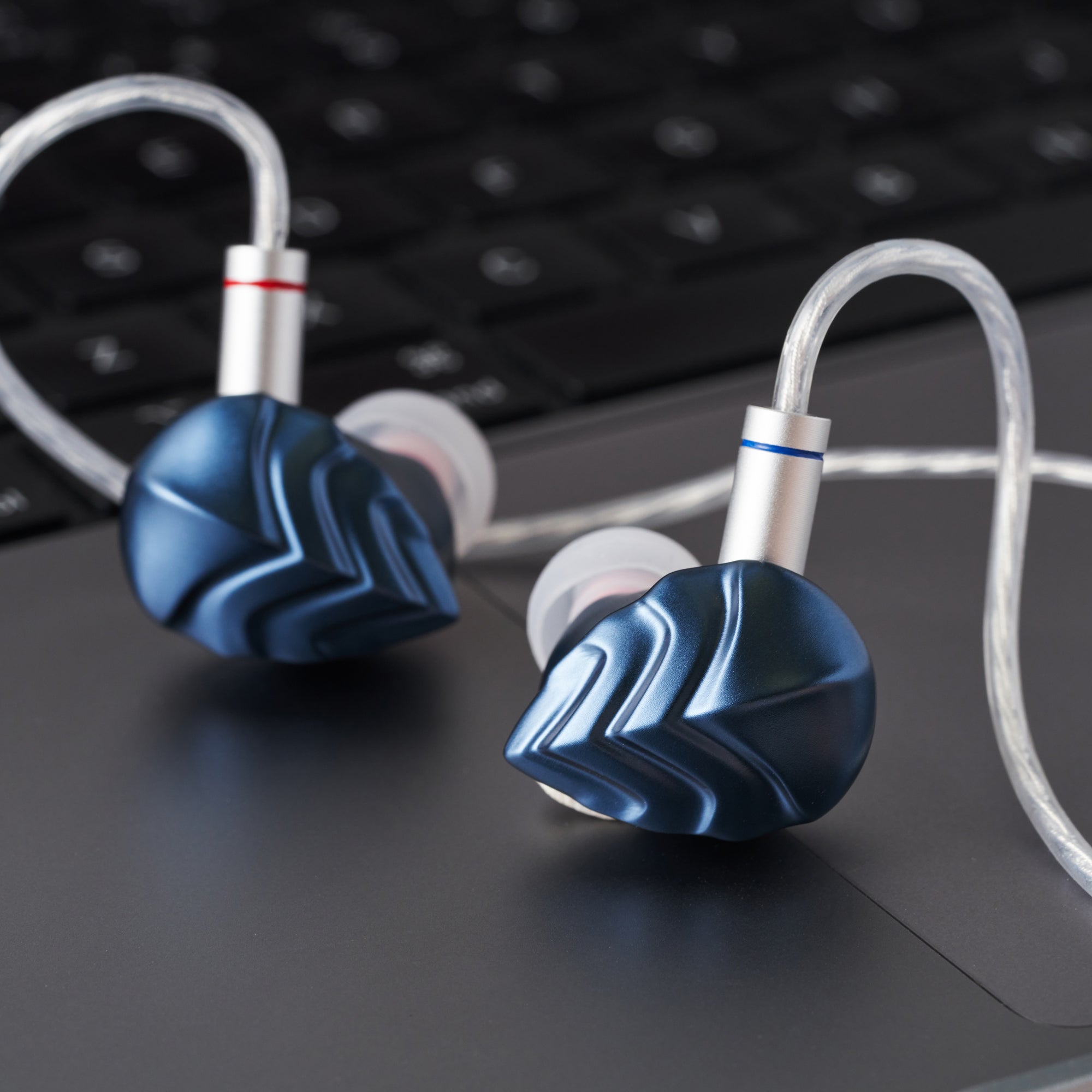
Titanium is denser than aluminum, so I expected the shells to feel noticeably heavier. In practice they don’t, because the shell itself is small and the housing shape has been thinned out around the nozzle. What you do notice is how cold the metal feels for the first few seconds after inserting it, and how the gradient coating catches light differently depending on the angle — purple, blue, or near-black depending on the room. It is a legitimately attractive earphone, which matters if you care about how your gear looks and not just how it measures.
Fit-wise, the Turris shell shape is fairly compact and sits shallow in the ear, so I had no trouble wearing it for two-hour listening sessions without the usual ear fatigue that comes from larger vented shells. Isolation is average for a vented dynamic driver design — fine for an office or a quiet commute, not enough to block out a loud subway car.
Sound signature
The magnesium driver leans toward a slightly warm, bass-forward tuning without being muddy. Sub-bass has real weight behind it on tracks that call for it, mids stay reasonably forward so vocals do not get buried, and the treble is smooth rather than sparkly. It is not a neutral reference earphone, and it is not trying to be — it is tuned to be enjoyable for pop, hip-hop, and electronic music first, with acoustic and classical tracks sounding merely good rather than exceptional.
Compared to the non-titanium Turris colorways, several reviewers and my own casual A/B against a standard aluminum-shell dynamic driver earphone I already owned suggest the titanium shell tightens up the low end slightly and reduces a bit of shell resonance during bass swells. It is a subtle difference, not a night-and-day one, so buy the Titanium Edition for the material and the collector angle first, and treat any sonic improvement as a bonus.

Who should buy this
- Listeners who already like a warm, bass-leaning dynamic driver sound and want a well-built single-driver IEM under a hundred dollars for casual and commute listening.
- Collectors who appreciate limited-run materials and want something that looks different from the usual black or clear resin shells.
- Anyone stepping up from stock earbuds who wants a detachable-cable IEM they can later re-cable or repair instead of throwing away when the cable frays.
If you need a balanced or bright reference tuning for critical mixing work, this is not that earphone — look toward a planar or multi-driver balanced-armature design instead.
Setting it up with a source
The MK12 Turris ships with a standard 3.5mm single-ended cable in most bundles, though 4.4mm balanced options exist. Because it is a single dynamic driver with a sensible impedance, it is easy to drive from a phone’s headphone jack, a basic USB-C dongle DAC, or any budget DAP. You do not need a dedicated desktop amplifier to get it to full volume. For best results, source a matched cable and give the driver a short break-in period of a few hours before judging the final sound, as is normal practice with new dynamic driver earphones.
Hidizs publishes full specifications and accessory details on the official MK12 Turris product page, which is worth checking before ordering to confirm current colorway availability, since limited editions like the Titanium run sell out and get restocked periodically.
Fit, Cable, and Connection Troubleshooting
A metal-shell IEM like this one is generally trouble-free, but a few small issues show up often enough to cover directly:
- One channel cuts out or sounds quieter than the other: This is almost always a loose 2-pin connector rather than a driver fault. Remove the cable, check the pins for lint or debris, and reseat it firmly; a cable that rotates too freely at the connector may need to be replaced.
- Popping or static noise when moving the cable: Try a different source or dongle DAC first to rule out a bad connection at the source’s headphone jack, then check the 2-pin connector itself for a partial seat, which is the more common culprit on detachable-cable IEMs.
- Poor isolation or shifting fit during exercise or commuting: Cycle through the included eartip sizes rather than assuming the stock medium tip fits everyone; a shallow-fit shell like this one is especially sensitive to getting tip size right for a stable seal.
- Muffled or duller sound after weeks of use: Check the nozzle mesh for wax or dust buildup, which is the most common reason a previously bright-sounding IEM starts to sound congested over time. A soft dry brush clears it without damaging the driver.
Frequently asked questions
Is the MK12 Titanium a DAP or an earphone?
It is an in-ear monitor (earphone), not a digital audio player. You still need a separate source device — a phone, dongle DAC, or DAP — to play music through it.
Does the titanium shell make it sound different from the standard MK12 Turris?
The driver is identical across colorways. The titanium shell’s added density and damping produce a subtle tightening of the low end for some listeners, but the difference is minor rather than dramatic.
Do I need an amplifier to drive it?
No. The single dynamic driver is easy to drive from a phone or a basic dongle DAC without needing extra amplification.
Is the cable replaceable?
Yes, it uses a standard detachable 2-pin connector, so the stock cable can be swapped for a different length, plug type, or aftermarket cable later.
Conclusion
The Hidizs MK12 Turris Titanium Edition is less about reinventing the wheel and more about taking a genuinely likeable warm-sounding dynamic driver earphone and dressing it in a shell that is nicer to look at and slightly more resistant to resonance. If the limited-run titanium colorway is available when you are shopping and you like a bass-forward tuning, it is a reasonable upgrade over the standard finish. If it is sold out, the regular MK12 Turris uses the same driver and will get you most of the way there for less money.
Reviewed by Ryan, a long-time PC hardware and portable audio enthusiast who tests earphones and dongle DACs on a rotating stable of budget and mid-range gear before writing about them.