The original Tanchjim Zero earned a loyal following as one of the more convincing ultra-budget single dynamic driver IEMs on the market, and the Zero Ultima is the refined follow-up built around an improved version of the same driver family. Note the correct spelling is Zero Ultima, not Zero Ultimate, since the two names get mixed up often in search results and forum posts. After running both side by side for a few weeks, here is where the meaningful differences actually show up.
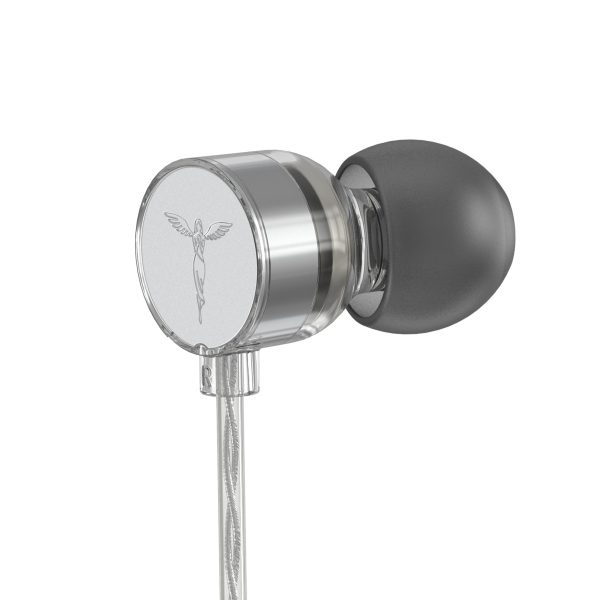
Driver Architecture: DMT4 vs DMT-4 Ultra
The original Zero uses a single dynamic driver built on Tanchjim’s DMT4 architecture, a 10mm driver with a composite diaphragm and a SATTI Filter imported from Italy for dust and water resistance at the front cavity. The Zero Ultima moves to an evolved DMT-4 Ultra version of that same driver family, engineered specifically for lower distortion, with THD rated as low as 0.05% versus the original Zero’s 0.5% at 94dB SPL, a genuinely significant reduction on paper.
Both keep the familiar bullet-style shell shape the Zero line built its reputation on, so this is very much an evolution rather than a redesign from scratch.
Specifications Side by Side
| Spec | Tanchjim Zero | Tanchjim Zero Ultima |
|---|---|---|
| Driver | DMT4, 10mm single dynamic driver | DMT-4 Ultra, refined low-distortion version |
| THD | <0.5% at 1kHz, 94dB SPL | As low as 0.05% |
| Impedance | 32Ω ±10% | Similar low-impedance, easy to drive |
| Sensitivity | 118dB/Nrms @1kHz | Comparable, easy-to-drive tuning |
| Weight | Standard bullet shell weight | Roughly 2.3g per earpiece, lighter shell |
| Cable | Detachable 0.78mm 2-pin | Litz copper silver-plated, some versions fixed |
| Versions available | 3.5mm wired with mic | 3.5mm and USB-C DSP versions |
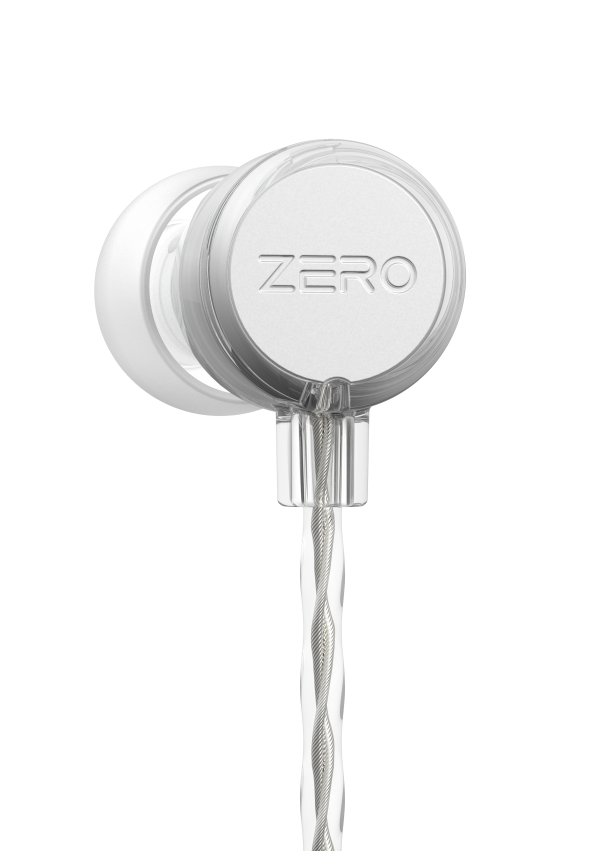
Sound Signature Compared
The original Zero is often described as neutral with a taste of natural, unforced detail for its price, and that reputation holds up. The Zero Ultima builds on that with tighter bass control thanks to the lower-distortion driver, cleaner separation in busier tracks, and a treble response that stays composed rather than edging toward harshness under stress. Side by side, the difference is not night and day, but it is consistently noticeable, particularly on faster, more complex passages where the original Zero’s slightly higher distortion becomes more apparent.
- Zero: neutral, natural tuning, respectable detail for an ultra-budget single-DD IEM
- Zero Ultima: tighter bass control, cleaner separation, more composed treble under stress
- Both share the same fundamental house sound rather than a dramatic retune
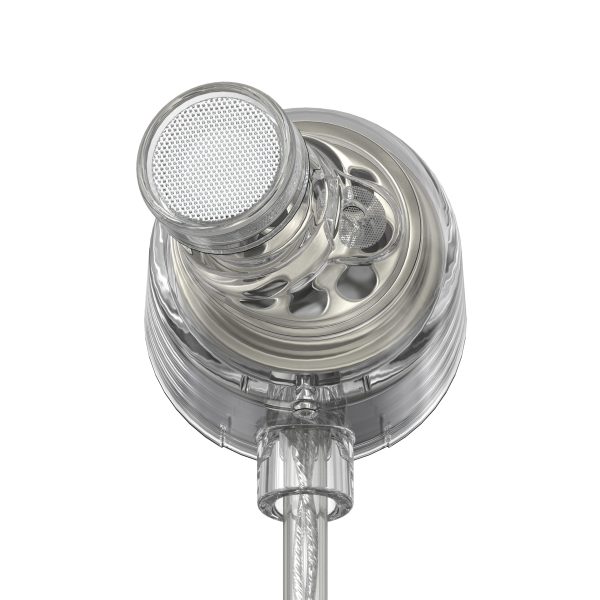
Build, Comfort, and Connector Differences
One practical difference worth flagging: the original Zero uses a detachable 0.78mm 2-pin cable, giving you the option to swap in an aftermarket cable freely. Some Zero Ultima configurations use a fixed cable instead, which trades that flexibility for a lighter, more streamlined earpiece. If cable swapping matters to you, check the specific listing carefully before buying, since this is exactly the kind of detail that varies between vendor listings and can catch buyers off guard.
The Zero Ultima’s lighter shell, at roughly 2.3 grams per side, also makes a noticeable comfort difference during long listening sessions compared to the original Zero’s slightly bulkier housing.

Troubleshooting Common Issues With Either Model
- One earpiece is noticeably quieter: Clean the nozzle mesh with a dry, soft brush before assuming a driver fault — wax buildup is the most common cause of a perceived channel imbalance on any single dynamic driver IEM, including both Zero models.
- Bass feels weak compared to reviews you have read: Fit matters enormously with a single dynamic driver design. Try a larger or smaller eartip size and confirm you are getting a full seal, since an incomplete seal cuts perceived bass more than any driver difference between the Zero and Zero Ultima.
- USB-C DSP version has connection or driver issues on a computer: The USB-C version relies on its onboard DSP chip being recognized as a standard USB audio device. If your computer does not recognize it, try a different USB-C port or cable before assuming a hardware defect, since some cables are charge-only and lack data lines.
- Detachable cable feels loose on the original Zero: A loose 0.78mm 2-pin connection is usually a sign of a worn cable connector rather than the earpiece socket itself. Trying a different cable first helps isolate which side is actually at fault before replacing anything.
- Confusing which version you actually have when buying secondhand: Since the naming is so often confused, check the shell markings and compare against official product photos from Tanchjim’s listings rather than relying on what the seller called it, especially given how often “Zero Ultimate” gets used interchangeably with “Zero Ultima” in casual listings.
Which One Should You Buy
- Choose the original Zero if you want the lowest possible entry cost and want the flexibility of a detachable cable for future upgrades.
- Choose the Zero Ultima if you want the more refined, lower-distortion driver and do not mind a small price step up, or if you specifically want the USB-C DSP version.
- If you already own the original Zero and are happy with it, the Ultima is a worthwhile but not urgent upgrade, since the underlying house sound carries over closely between the two.
For independent measurement comparisons between the two generations, the writeup at Audiophile Heaven covers the original Zero in depth, and the No Borders Audiophile review focuses specifically on what changed with the Ultima.
Frequently Asked Questions
Is it Zero Ultimate or Zero Ultima?
The correct name is Zero Ultima. Zero Ultimate is a common misspelling and not the actual product name Tanchjim uses.
Is the Zero Ultima a completely different IEM from the Zero?
No, it is an evolution of the same DMT4 driver family, refined into the lower-distortion DMT-4 Ultra version, rather than a ground-up redesign.
Does the Zero Ultima have a detachable cable?
It depends on the specific version, since some Zero Ultima configurations use a fixed cable instead of the original Zero’s detachable 0.78mm connector. Check the listing before buying if this matters to you.
Is the sound difference between them significant?
It is noticeable but not dramatic, mostly showing up as tighter bass control and cleaner separation on complex tracks rather than a completely different tuning.
Conclusion
The Zero Ultima is a genuine, if incremental, refinement over the original Zero, built around a lower-distortion version of the same driver family rather than a full redesign. If you are shopping fresh, the Ultima’s tighter control and lighter shell make it the easy pick unless the detachable cable on the original matters more to you than the sonic refinement. Either way, both remain solid entry points into the hobby for the price.
Testing budget IEMs side by side against their own predecessors is one of the more useful exercises in this hobby, since it strips away brand comparison and shows exactly what a manufacturer changed and why, and the Zero Ultima’s improvements over the original Zero are honest, measurable ones rather than marketing dressing.
Value for Money Across Both Generations
Both models still sit at an entry-level price point relative to the rest of Tanchjim’s lineup, which is part of why the choice between them matters less than it would for a flagship purchase. Neither is a risky buy, and both hold up as a first step into wired IEMs for someone coming from stock earbuds. The gap between them is real but incremental, the kind of refinement you would expect from a manufacturer iterating carefully on a proven driver family rather than chasing a marketing-driven full redesign every cycle.
Whichever generation you land on, pairing either with even a basic dongle DAC rather than a bare phone jack output tends to bring out a bit more control and separation than most buyers expect at this price tier.