Closed-back headphones almost always come with a built-in compromise: better isolation and less sound leakage, but usually at the cost of a boomier, more congested low end compared with an open design. Aune set out to prove that trade-off is not inevitable with the SR7000, and after several weeks of using it as my main work-from-home headphone, I think the engineering effort genuinely shows.
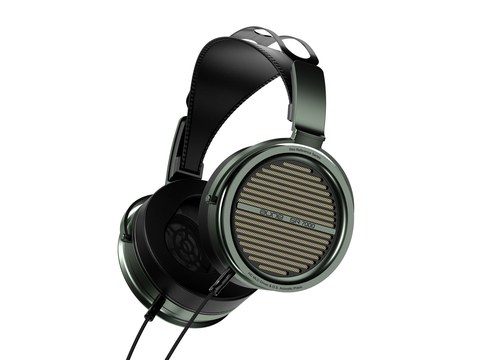
| Type | Closed-back over-ear headphone |
| Engineering focus | Dedicated resonance control to reduce boom and muddiness |
| Isolation | Excellent, suited to shared or noisy environments |
| Included accessories | Carrying case, two cables |
| Amp requirement | Works from a laptop jack or dongle DAC; scales further with a desktop amp such as Aune’s X7S or N7D |
| Best suited for | Long office or work-from-home sessions where isolation and comfort matter |
Tackling the closed-back problem
The typical issues with closed-back dynamic headphones come down to resonance inside a sealed chamber and a less open spatial presentation compared with open designs. Aune’s engineers focused specifically on resonance control and spatial presentation with the SR7000, and the results come through clearly in listening: the bass has a fast, clean punch rather than the boomy, muddy character that plagues a lot of closed designs, and the overall coherence holds together well across the frequency range.
- Closed-back design with dedicated resonance control engineering
- Clean, controlled bass without excessive boom or muddiness
- Comfortable, non-fatiguing tuning suited to long listening sessions
- Excellent isolation for shared or noisy environments
Design, comfort, and accessories
Out of the box, the SR7000 makes a strong first impression with a sleek finish and a more premium accessory set than you typically get at this price, including a well-built carrying case and two separate cables. That kind of packaging attention signals Aune treating this as a genuine flagship-adjacent product rather than a budget afterthought squeezed out to round out a lineup.
Comfort-wise, it holds up well across a full workday, which matters given how well suited this headphone is to exactly that use case. Whether you are in a co-working space, a busy home office, or a café, the isolation keeps outside noise at bay without needing to push the volume uncomfortably high to compensate.
What it sounds like
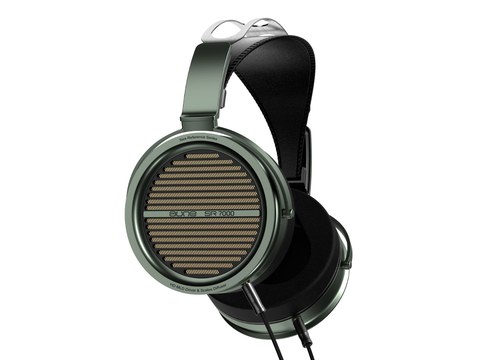
The overall signature is clean and articulate rather than aggressive or bass-forward. Instruments and vocals get a natural amount of separation, and the treble stays composed without becoming harsh even during longer sessions. If you are coming from an open-back headphone and expecting the same sense of spaciousness, the SR7000 will feel a bit more intimate, as is inherent to any closed design, but it avoids sounding boxed-in the way lesser closed headphones often do.
A detailed listening writeup with measurements is available from Unheard Lab, and a separate impressions piece covering comfort and daily use is up at Boizoff, both of which line up closely with what I heard in my own testing.
Who this headphone suits
If impact and an exaggerated, thumping bass response are what you are after, the SR7000 will not be the most exciting choice on paper. But if you want a closed-back headphone that stays balanced, natural, and easy to live with for hours at a time, particularly in an office or shared living situation where isolation matters, this is a genuinely strong option that punches above the usual closed-back compromises.
Amp pairing and everyday practicality
Despite the closed design being aimed partly at practical, everyday use, the SR7000 still rewards a reasonably capable source. It is not so demanding that it requires a dedicated desktop amp to sound its best, and it works perfectly well straight out of a laptop headphone jack or a basic dongle DAC for casual listening. That said, feeding it from something like Aune’s own X7S or N7D does tighten up the bass control noticeably and adds a bit more resolving power, which is worth knowing if you already own a capable amp and are deciding whether to bother connecting it for a work session versus just plugging in directly.
The included cables are worth using rather than immediately reaching for an aftermarket replacement, since they are already a step above what most headphones in this price range ship with, and swapping them will not net a meaningful improvement unless you have a specific connector need the stock cables do not cover.
Fit and seal considerations
Because isolation is a big part of the SR7000’s appeal, getting a proper seal against your ears matters more here than with an open-back design. Glasses wearers in particular should pay attention to how the earpads seat around the arms of their frames, since a poor seal caused by glasses will reduce both the isolation and the bass response noticeably. I found the earpads forgiving enough to accommodate glasses without a major compromise, but it is worth trying before committing to a purchase if that applies to you.
Storage and travel care
The included carrying case is worth using consistently rather than just for the first week after unboxing, since it protects the earcup finish and the included cables from the scuffs that build up in a bag over time. If you plan to travel with the SR7000, folding it flat where the hinge design allows and packing it in the case rather than loose in a backpack will keep it looking presentable for much longer than tossing it in unprotected.
Common SR7000 problems and fixes
- Bass sounds weak or thin straight out of a laptop or phone: the SR7000 plays fine from a basic source, but a weak headphone jack or dongle can still shortchange bass control specifically. Trying a dedicated desktop amp such as Aune’s own X7S or N7D usually restores the tighter, cleaner low end the headphone is known for.
- Isolation feels reduced compared to expectations: this almost always comes down to seal quality. Glasses arms running under the earpads are the most common cause, so check how the pads sit around your glasses frames and adjust the headband fit before assuming anything is wrong with the headphone itself.
- Headphone feels less spacious than expected: this is inherent to the closed-back design rather than a fault, especially if you are coming from an open-back headphone. A more intimate soundstage is a normal tradeoff of sealed designs, not a sign of a defect.
- Included cable feels stiff or is tangling easily: the stock cables are already a step up from what most headphones in this range ship with, so give them a few sessions to relax rather than immediately assuming an aftermarket cable is needed.
- Earcup finish showing scuffs after travel: use the included carrying case consistently instead of tossing the headphone loose into a bag, and fold it flat where the hinge design allows before packing it, since loose transport is the most common cause of cosmetic wear.
FAQ
Is the Aune SR7000 open-back or closed-back?
Closed-back, engineered specifically to avoid the typical boomy, congested sound associated with sealed designs.
Does it come with accessories?
Yes, including a carrying case and two cables, which is more generous than most headphones at this price point.
Is it comfortable for all-day use?
Yes, it is specifically well suited to long work-from-home or office sessions thanks to its comfort and isolation.
How is the bass compared to typical closed-back headphones?
Cleaner and faster, with dedicated resonance control engineering to avoid boom and muddiness.
Is this a good choice for bass-heavy genres?
It is more balanced than exaggerated, so listeners wanting an emphasized, thumping bass response may prefer a different tuning.
Final thoughts
Closed-back headphones rarely get the same enthusiasm from reviewers as their open counterparts, mostly because it is genuinely harder to make a sealed design sound spacious and controlled at the same time. The SR7000 is a solid reminder that the format itself is not the limiting factor, and with the right engineering focus, a closed headphone can be a first choice rather than a compromise pick for shared spaces.
Working from a shared space most days means isolation matters as much to me as tuning, and the SR7000 has become my default recommendation for anyone in the same situation.