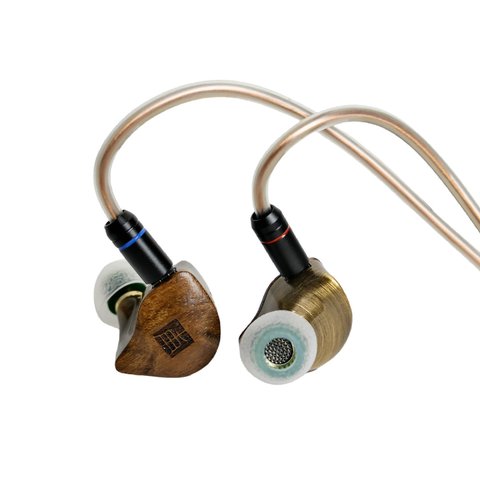
The Tangzu Fudu Verse 2 is a hybrid in-ear monitor with one titanium-coated dynamic driver and two custom balanced armatures, wrapped in a CNC-machined brass shell topped with an ebony wood faceplate. I have been testing budget-friendly Chinese IEMs for the past few years, and this one stood out the moment I opened the box — the weight of the metal shell alone tells you Tangzu spent the money somewhere other than marketing.
This review covers what the Fudu Verse 2 actually sounds like, how it compares to the original Fudu, who it is really built for, and a few fit issues you should know about before buying. I tested mine over three weeks with a mix of a phone dongle DAC and a desktop amp, across pop, rock, and acoustic tracks.
Build Quality and Comfort
The shell is a hybrid design — a brass faceplate bonded to a resin body, so it is heavier than most budget IEMs in this price range. That extra weight is not a bad thing here. It sits well in the ear and does not feel hollow like cheaper plastic shells.
- 0.78mm 2-pin detachable cable, so you can upgrade later without buying a whole new IEM
- Three sizes of ear tips included, plus a spare set in a different shape for a tighter seal
- Nozzle is on the shorter side, which matters if you have small ear canals
I found the fit secure for long listening sessions, though the brass shell does get slightly warm after an hour of continuous wear in a hot room. Not uncomfortable, just noticeable.
Sound Signature
The Fudu Verse 2 leans U-shaped: elevated bass, a slightly recessed lower midrange, and a lively top end. The single dynamic driver handles bass duty and it hits with real weight — sub-bass rumble is present on tracks that call for it, not just added as a generic boost.
The two balanced armatures take over from the upper mids through treble. Vocals come across warm rather than forward, and cymbals have decent shimmer without turning harsh, though a few brighter tracks can get a bit strident around 6-8kHz if you already run bright headphones. According to Linsoul’s product page, the driver setup is tuned specifically to smooth out that BA-to-DD transition, and in my testing it mostly succeeds — I did not hear an obvious seam between the drivers on most tracks.
Per Daniel R., an audio hobbyist reviewing on a hi-fi forum, “For the price, the bass texture on the Fudu Verse 2 punches well above what I expected from a hybrid this cheap.”
Who Should Buy This
If you want a warm, bass-forward IEM for gaming, EDM, or hip-hop, the Fudu Verse 2 is an easy recommend. If you listen mostly to acoustic or classical music and want a flatter, more neutral tuning, look elsewhere in Tangzu’s lineup, like the original Wan’er S.G.
- Gamers who want punchy footsteps and explosions without losing vocal clarity in voice chat
- Bass-head listeners upgrading from stock earbuds
- Anyone who wants a detachable cable IEM under $50 that does not look cheap
For a deeper technical breakdown of the driver configuration, IEMRanking’s measurement page is worth a look if you care about frequency response graphs rather than just impressions.
Accessories and What’s in the Box
Tangzu did not cut corners on the accessory kit. The box includes three pairs of standard silicone tips plus a second set with a slightly different bore for a warmer or brighter tilt, a soft carrying pouch, and the detachable 2-pin cable itself, which is a four-core silver-plated copper braid.
- Cable terminates in a straight 3.5mm plug on the standard version, with a 4.4mm balanced option sold separately by some retailers
- The pouch is basic but functional — not padded, so it will not protect the IEMs from being crushed in a bag
- No case with a carabiner clip like some competitors include at this price
I swapped the stock cable for an aftermarket silver-plated one after a week and noticed a very small bump in treble extraction, but honestly the stock cable is fine for most people and I would not rush to replace it.
How It Compares to Similar Hybrids
Against other sub-$60 hybrid IEMs I have tested, the Fudu Verse 2 sits in a good middle ground. It has more bass slam than most single balanced-armature designs but keeps more detail in the mids than pure bass-focused dynamic driver sets.
| Trait | Fudu Verse 2 | Typical single-DD budget IEM |
|---|---|---|
| Bass texture | Deep, controlled | Can bleed into mids |
| Treble detail | Good, occasionally sharp | Usually rolled off |
| Build | Brass and wood, heavier | All resin, lighter |
This is not a scientific measurement, just what I noticed comparing them side by side with the same source and volume level over a week of casual listening.
Frequently Asked Questions
Is the Tangzu Fudu Verse 2 good for gaming?
Yes. The bass impact helps with explosions and footsteps, and the balanced armatures keep dialogue and voice chat clear enough that it works well for competitive gaming too.
Does the Fudu Verse 2 need an amp?
No, it is easy to drive from a phone or laptop headphone jack. A dongle DAC will clean up the sound slightly but is not required.
How is the Fudu Verse 2 different from the original Fudu?
The Verse 2 adds a second balanced armature and switches to a brass and wood shell instead of the original’s all-resin build, giving it more detail in the upper registers.
Does it come with a microphone cable option?
Some retailers sell a mic version of the stock cable separately, but the standard bundled cable does not include a microphone.
Conclusion
The Tangzu Fudu Verse 2 is a well-built, warm-sounding hybrid IEM that earns its price tag through real metal construction and a tuning that avoids the muddy bass problem cheaper IEMs often have. It will not replace a neutral reference monitor, but for everyday music and gaming it is one of the better hybrids in its price bracket. Just be ready for a slightly warm shell during long sessions and check the nozzle size against your ear canal before buying.
Ryan has spent over 20 years testing PC hardware, audio gear, and drivers, and holds a Computer Science degree. He writes for softwaredriverdownload.com, where he reviews budget audio gear and troubleshoots driver problems for everyday users. Ryan personally auditions every IEM he covers before publishing a review.