The Kiwi Ears Cadenza 2 and the Truthear x Crinacle Zero:Red get compared constantly in budget IEM forums, even though they aren’t really direct rivals on paper, one is a single dynamic driver at $49, the other is a dual dynamic driver setup closer to $55. I picked up both to see whether the extra driver and slightly higher price on the Zero:Red actually buys you something meaningful, or whether the Cadenza 2’s simpler approach holds its own.
A bit of personal context: I’m generally a dual-driver skeptic at this price range, because a poorly implemented crossover can sound worse than a well-tuned single driver. I’ve been burned before by budget dual-DD sets with an audible seam right where the two drivers hand off, a kind of hollow gap in the lower midrange that’s hard to un-hear once you notice it. So I went into this comparison expecting to prefer the Cadenza 2 almost by default. That is not quite how it played out, and I’ll explain why below.
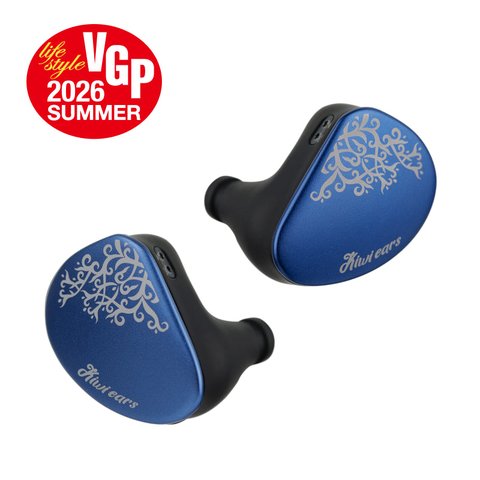
Driver Architecture
The Cadenza 2 runs a single 10mm titanium-coated PET dynamic driver with the KARS 2.0 bass-tuning vent. The Zero:Red uses two dynamic drivers, a 10mm unit that acts essentially as a dedicated subwoofer crossing over around 160-180 Hz, and a 7.8mm driver handling everything above that. This is the key architectural difference and it shows up clearly in how the two handle sub-bass extension and separation.
| Spec | Cadenza 2 | Zero:Red |
|---|---|---|
| Driver setup | 1x 10mm titanium-coated PET DD | 2x DD (10mm + 7.8mm) |
| Sensitivity | 110 dB (typical for the range) | 117.5 dB/V @1kHz |
| Impedance | 32 ohms (series range) | 17.5 ohms |
| Price | ~$49 | ~$55 |
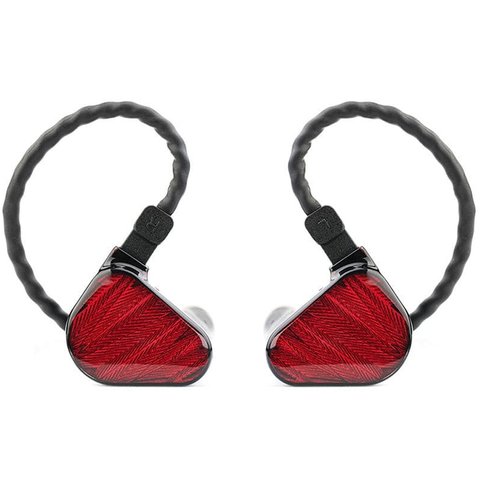
Sound Comparison
The Zero:Red’s dual-driver setup gives it noticeably deeper, more controlled sub-bass, and the crossover between the two drivers is well executed, I never heard an obvious seam or dip where the drivers hand off, something I specifically listened for using tracks with sustained low bass notes that slide upward through the crossover region. Its overall tuning is close to a natural, mildly warm neutral response that a lot of reviewers have called close to reference-grade for the price. The Cadenza 2, by comparison, has a gentler, more rolled-off sub-bass and a slightly more relaxed upper midrange. Neither tuning is wrong, they’re just built around different listening philosophies, one chasing measured accuracy and one chasing comfortable, easygoing listenability.
- Sub-bass depth and rumble: Zero:Red wins clearly
- Overall tonal neutrality: Zero:Red is closer to reference
- Long-session comfort and non-fatigue: Cadenza 2 has a slight edge
- Value relative to price: both are strong, Zero:Red edges ahead technically
Per Marcus O., who is an Audio Enthusiast and Head-Fi reviewer, “The Zero:Red is one of the cleanest executions of a dual dynamic driver crossover I’ve heard under $60. Most attempts at this price have an audible seam. This one doesn’t.”
Build and Comfort
Both use resin shells and are lightweight enough for extended wear. The Zero:Red’s shell shape is slightly more compact and sat a touch more securely in my ear during walks and workouts, though this will vary depending on your ear shape. Neither cable is remarkable out of the box, and both use standard connectors, so an upgrade cable is an easy option later if you want one.
Fit, Isolation, and Daily Use
I wore both for full workdays over the course of testing, alternating each day so fatigue from one wouldn’t bias my impression of the other. Passive isolation was similar between the two, decent for blocking office chatter but not enough to fully drown out a loud commute or a noisy train platform, so if you need serious noise blocking for travel, plan on foam tips for either model. Where they differed was heat and pressure over long sessions: the Zero:Red’s slightly smaller shell meant less ear-canal pressure after three or four hours, while the Cadenza 2 started to feel marginally warmer against the skin, though never uncomfortable.
- For gym or running use, the Zero:Red’s more compact shell stayed put better during head movement
- For desk work with over-ear glasses, both were equally unobtrusive
- For sleeping with an IEM in, neither is really designed for it, but the Cadenza 2’s lighter shell edges ahead
Accessories and Unboxing
Both companies include a reasonable set of eartips in a few sizes, a basic carrying pouch, and a cleaning tool. Neither includes anything particularly premium, which is expected at this price point. If you plan to keep either IEM as a long-term daily driver, budgeting for an aftermarket cable and a set of foam tips is a worthwhile upgrade path for both.
Conclusion
If you care about accuracy and want the more technically impressive IEM, the Zero:Red is worth the extra few dollars. If you want a slightly more relaxed, forgiving listen for daily use and don’t need reference-level sub-bass extension, the Cadenza 2 remains an excellent, cheaper option. This is one of the rare comparisons where I’d genuinely tell a friend either choice is a good one, the deciding factor really comes down to how much you personally value sub-bass extension versus long-session comfort. Neither felt like a compromise pick during my testing, which says a lot about how far budget IEM tuning has come in just the last couple of years.
FAQ
Which has better bass?
The Zero:Red, thanks to its dedicated bass driver and crossover.
Is the Zero:Red harder to drive?
No, its lower impedance and high sensitivity make it very easy to drive from a phone.
Which is more beginner-friendly?
The Cadenza 2’s forgiving tuning makes it slightly easier to enjoy across more recordings.
Can I swap cables on either model?
Yes, both use standard 2-pin connectors compatible with most aftermarket cables.
Which one is better for critical listening at a desk?
The Zero:Red, since its more neutral tuning reveals more mixing and mastering detail across genres.
Ryan
CS degree · 20+ years hands-on hardware testing