Set up qstarz lt q6000 by confirming the exact model, connection, power and physical fit before changing advanced settings.
I mounted a Qstarz LT-Q6000 on a track car’s dash for a reader’s first lap-timing session, and waiting for a full satellite lock before leaving the pit lane avoided the split-time errors that plagued their first attempt the week before.
This guide separates identification, compatibility, setup and troubleshooting. That order prevents common mistakes such as installing the wrong software, using a charge-only cable or selecting the wrong input device.
The complete model code on the product is the final reference. Retail listings can shorten a name or combine accessories that change the correct setup.

Safe setup sequence
- Charge the internal battery above the recommended level.
- Mount the logger where it has a clear view of the sky.
- Set the correct racing or logging mode.
- Wait for a valid satellite fix.
- Record a short controlled session.
- Transfer the data to official analysis software.
Make one controlled change at a time and repeat the same test. This prevents a second fault from hiding the original problem.
Do not force a connector, battery, headband slider or mounting thread. Stop when parts do not align easily and verify the model and orientation.
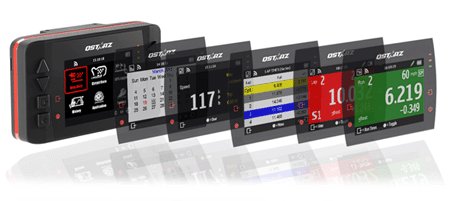
Identify the exact version first
Read the model code on the device, receiver, cable and package. Record any suffix, connection type and firmware information. A small extra letter can identify a different microphone, mixer, wireless kit or software branch.
Compare the product with the linked source pages. Check buttons, ports, cable ends, battery shape and included accessories. Similar appearance does not prove software or electrical compatibility.
Photograph the original setup and save current settings before updating or repair. Keep the records with the source links for qstarz lt q6000 so the last working configuration can be restored.
Specifications and compatibility checks
| Area | What to confirm |
|---|---|
| Product type | Standalone GPS racing lap timer and logger |
| Display | Colour screen for lap and performance data |
| Logging | High-rate GPS logging with internal storage |
| Computer | Official QRacing software handles analysis |
| Update | Firmware update requires sufficient battery and the official package |
Published specifications describe a reference package. A retailer may include another cable, stand, receiver or adapter. Verify the complete kit rather than relying on a short title.
Match the signal path before physical fit. USB needs a data cable, XLR needs an audio interface, and wireless products need the correct transmitter and receiver pair.
Common problems and first checks
| Symptom | Likely area | First action |
|---|---|---|
| No satellite fix | Indoor location or blocked sky | Move outdoors and wait stationary |
| Computer cannot see device | Cable or USB mode | Use the official cable and direct port |
| Data is missing | Wrong logging mode | Check memory and start settings |
| Firmware not detected | Wrong file or extraction | Use the exact official package |
| Battery drains quickly | Age, backlight or temperature | Test after a full controlled charge |
Start with the symptom that can be observed directly. Software cannot repair a damaged cable, loose socket, blocked microphone opening, worn ear pad or weak battery.
Use a known-good comparison when possible. Keep volume and gain within safe limits while changing one component at a time.
Maintenance and long-term reliability
Disconnect cables before cleaning. Use a soft dry cloth on housings and controls. Keep liquids away from microphone capsules, earphone grills, USB ports and battery contacts.
Inspect cables, adapters and connectors regularly. Replace damaged leads and batteries that become swollen, unusually hot or unreliable. Never pull a plug by the cable.
Store qstarz lt q6000 in a dry area. Protect microphones from moisture, headphones from pressure and portable devices from impact.
Keep a service record with the exact model, software version, cable type and changed settings. Clear records make recovery and parts ordering easier.
Practical checks before regular use
Confirm that every required accessory is included or available separately. A compatible product can still be difficult to use when the correct cable, receiver, charger, amplifier or stand is missing.
Test qstarz lt q6000 in the real working conditions. A short desk test may not reveal USB instability, background noise, wireless interference, battery drain or discomfort that appears during a longer session.
Keep the first test simple. Remove optional processing and effects, verify basic operation, then add one item at a time. This creates a reliable baseline.
Final validation before normal use
Complete a full power cycle and confirm that settings remain. Test every input, output, button and status indicator that will be used in the real workflow.
Run a longer test instead of stopping after startup. A microphone should record cleanly, a mixer should route correctly, and headphones or earphones should maintain channel balance.
Write down the test condition and result. Notes such as “fails only through the hub” or “drops only near the router” make later troubleshooting faster.
Detailed inspection checklist
Use bright light to inspect ports, plugs, cable joints, controls and charging contacts. Look for bent pins, cracked insulation, loose sockets and signs of overheating. A connection can look normal while failing when moved.
Test with the shortest known-good cable and the simplest signal path. Remove unnecessary hubs, adapters and processing. Add them back one at a time only after the basic setup remains stable.
Compare performance while the problem is happening. A source can appear normal at low volume and then distort, disconnect or run out of power during a demanding test.
Configuration and service records
Write down software, cable type, input selection, gain and every changed setting. Save photographs before and after work. Name records with the exact model and suffix.
Keep factory settings separate from experiments. When a change performs worse, return to the last known working state instead of adding another change.
Frequently Asked Questions
Where should I get information for Qstarz Lt Q6000?
Use the manufacturer, official support or established product pages linked here and match the complete model code.
Do I need special software for Qstarz Lt Q6000?
Only when the official compatibility page lists the exact model. Many USB audio devices use standard operating-system drivers.
Can I use a similar cable or accessory?
Only after confirming the connector, signal standard and electrical requirements.
Why does the product work briefly and then fail?
USB power saving, heat, wireless interference, low battery or cable movement may appear during a longer test.
What is the safest first troubleshooting step?
Return to the last working setup and test the source, cable, settings and hardware one section at a time.
Sources
Ryan has set up GPS lap timers for track-day drivers, learning that a full satellite lock before the first lap matters more than any in-menu setting. He documents these lessons at softwaredriverdownload.com.