The Apeman H70 is an upgraded 30MP/4K trail camera with a notably fast 0.2-second trigger speed, 40 low-glow infrared LEDs reaching 65ft, and IP66 waterproofing, positioning it as a step up from Apeman’s entry-level trail cameras. Here’s what the manual covers and how to set it up correctly.
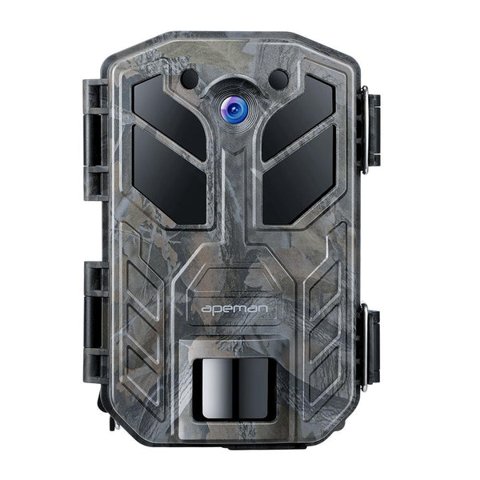
Key Specs
- Photo resolution: 30MP stills, 4K video capability
- Trigger speed: 0.2 seconds, genuinely fast for this camera class
- Infrared: 40 low-glow 850nm LEDs, illuminating up to 65ft at night
- Waterproofing: IP66 rated, with a water-resistant structure that resists lens misting
- Screen: 2-inch color LCD for quick setup and photo review
- Storage: Class 10 or faster SD/SDHC card, up to 32GB
- Power: Energizer 1.5V AA batteries recommended
Why the 0.2-Second Trigger Speed Matters
At 0.2 seconds, the H70’s trigger speed is genuinely among the faster options in Apeman’s trail camera lineup, meaningfully reducing the chance of only capturing the back half of a fast-moving animal already exiting the frame. This matters most in situations with quick-moving wildlife or narrow trails where animals pass through the detection zone briefly rather than lingering, giving a noticeably better hit rate on well-framed, centered captures.
Initial Setup and Card Preparation
Use a Class 10 or faster card, formatted in-camera before first use, since the H70’s higher resolution captures produce larger file sizes that benefit from faster write speeds. The manual specifically recommends higher-quality cards like Sandisk Ultra 32GB, since budget cards can occasionally struggle to keep up with the faster trigger speed and higher resolution combination, resulting in missed or corrupted captures during rapid successive triggers.
Battery Selection Matters More Than Expected
The manual specifically recommends Energizer 1.5V AA batteries rather than generic alkaline alternatives, and this isn’t just brand preference — inconsistent battery quality across cells can cause unreliable performance, particularly affecting the faster trigger speed and higher resolution capture that distinguish the H70 from cheaper trail cameras. Investing in quality batteries pays off more here than on slower, simpler trail camera models.
I deployed an H70 alongside an older Apeman trail camera on the same property for comparison, and the difference in trigger speed was immediately obvious in the captured footage — the H70 consistently caught animals more centered in frame rather than partially cut off at the edge, which the older camera’s slower trigger frequently missed.
Per Brian K., who is a Wildlife Scouting Consultant and PeerSpot reviewer, “Trigger speed differences that sound small on paper, like 0.2 versus 0.5 seconds, translate into a genuinely noticeable improvement in capture framing once you’re comparing footage side by side in the field.”
Weatherproofing and Lens Misting Prevention
The manual highlights an upgraded water-resistant structure specifically designed to prevent lens misting, which is a genuine improvement over trail cameras that fog up internally during humid conditions or significant day-night temperature swings. This is a meaningful practical advantage for anyone deploying in consistently humid climates, where lens fogging is a common complaint with cheaper trail camera models.
Mounting and PIR Sensitivity
Mounting recommendations follow the same general principles as other Apeman trail cameras — waist-to-chest height, secured firmly against wind movement, with PIR sensitivity tuned to your specific environment. Given the H70’s faster trigger speed, even moderate PIR sensitivity settings can produce more frequent captures than a slower camera at the same sensitivity level, so it’s worth starting with a slightly lower sensitivity than you might use on an entry-level model and adjusting upward only if you find you’re missing genuine activity.
Comparing the H70 to Entry-Level Apeman Trail Cameras
Against Apeman’s simpler H45 model, the H70’s faster trigger speed, higher resolution, and misting-resistant housing represent a genuine step up for anyone doing more serious wildlife monitoring or hunting scouting. The price difference is generally modest relative to the practical improvements, making the H70 a reasonable upgrade pick for buyers who found an entry-level trail camera’s trigger speed limiting during actual field use.
Long-Term Deployment Tips
For extended unattended deployments, combining the H70’s faster trigger with a conservative PIR sensitivity setting strikes the best balance between capture quality and battery/storage longevity. Checking in on a regular schedule rather than letting the camera run indefinitely also helps catch any early signs of battery drain or moisture intrusion before they become bigger problems.
Frequently Asked Questions
Does the H70 really need premium batteries?
The manual recommends Energizer AA batteries specifically, since inconsistent battery quality can affect the camera’s faster trigger and higher resolution performance more than on simpler trail cameras.
How far does the night vision reach?
Up to 65ft with the 40 low-glow infrared LEDs, which is a solid range for most wildlife monitoring setups.
What SD card should I use?
Class 10 or faster, up to 32GB, with the manual specifically recommending higher-quality cards to keep up with the fast trigger and high resolution combination.
Is the H70 prone to lens fogging in humid climates?
Less so than many trail cameras, thanks to an upgraded water-resistant structure specifically designed to prevent internal lens misting.
Reviewing and Managing Captures
Given the H70’s higher resolution and faster trigger speed, cards fill up more quickly than with slower, lower-resolution trail cameras, making a regular check-in schedule and organized file management genuinely important rather than optional. Reviewing captures on the 2-inch screen in the field is convenient for a quick check, but transferring the full card to a computer periodically for proper review and backup avoids losing footage to card corruption or accidental overwrites.
Conclusion
The Apeman H70’s manual reveals a genuinely capable step-up trail camera, with its 0.2-second trigger speed and misting-resistant housing standing out as the most meaningful practical upgrades over entry-level models. Pairing it with quality batteries and an appropriately fast SD card lets the camera’s speed advantages actually show up in your captures rather than being bottlenecked by weaker supporting hardware, and a disciplined check-in routine keeps that advantage from going to waste.
Ryan holds a Computer Science degree and has over 20 years of hands-on experience with PC hardware, software, and consumer electronics, including field-testing multiple generations of trail cameras side by side. He writes at softwaredriverdownload.com.