The Reolink Argus 3 Pro’s 6000mAh battery can last anywhere from a few weeks to several months between charges, and the range depends heavily on recording mode and detection activity rather than being a single fixed number. Here’s what realistically affects battery life, and what your options are if the battery eventually won’t hold a charge.
What Realistic Battery Life Looks Like
- Motion-triggered recording in a low-traffic area: often 2 to 4 months between charges
- Motion-triggered recording in a high-traffic area, like a busy street-facing view: could mean charging every few weeks
- Continuous or scheduled recording: drains the battery in days rather than weeks without a solar panel offsetting it
- Cold winter temperatures reduce effective battery life somewhat compared to mild weather
Getting More Life Out of Each Charge
- Tighten the detection zone to exclude areas with constant irrelevant motion, like a street or tree line
- Use person/vehicle-specific AI detection instead of generic motion detection to cut down on unnecessary recording events
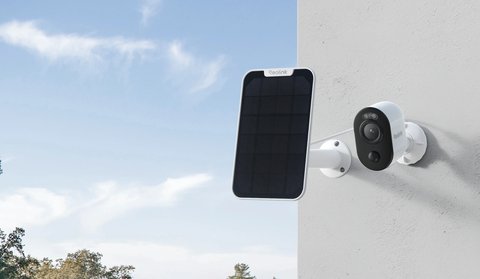
- Add a compatible solar panel if the camera is in a spot with decent daily sun exposure
- Confirm Wi-Fi signal strength at the mounting location, since a weak connection increases power draw

The single biggest lever for battery life is almost always detection zone tuning, not some hidden power-saving setting — a poorly drawn zone that triggers on passing cars or blowing trees will drain a battery camera far faster than the same camera pointed at a quiet, well-scoped area.
When the Battery Needs Replacing
Like any rechargeable lithium battery, the Argus 3 Pro’s battery gradually loses capacity over hundreds of charge cycles. If you’re charging noticeably more often than you used to, with no change in usage patterns, the battery itself may be degrading rather than something being misconfigured.
- Check whether Reolink sells a replacement battery for your specific Argus 3 Pro hardware revision before assuming the whole camera needs replacing
- Contact Reolink support to confirm replacement battery availability and compatibility for your unit
- A camera several years old with significantly reduced runtime is a reasonable candidate for a battery swap rather than a full replacement
For official battery specifications and support options, see Reolink’s official Argus 3 Pro product page and Reolink’s support center.
Frequently Asked Questions
Can I replace the battery myself?
This depends on your specific hardware revision; check with Reolink support whether a user-replaceable battery is available for your unit before attempting it.
Does leaving the camera at 0% battery damage it?
The camera simply powers off at low battery; recharging promptly afterward is fine and doesn’t cause lasting damage.
Does using two-way audio drain the battery faster?
Yes, active two-way audio sessions and frequent live view checks both use more power than passive motion-triggered recording alone.
Is a solar panel a permanent fix for battery drain?
In most sunny climates with good panel placement, yes; in consistently cloudy regions it may only partially offset drain rather than eliminate charging entirely.
Conclusion
Battery life on the Argus 3 Pro varies a lot based on detection zone tuning and recording mode, so it’s worth adjusting those before assuming the battery itself is at fault. If charging frequency has genuinely increased over time with no usage changes, a battery replacement is a reasonable next step before replacing the whole camera.
Ryan writes hands-on setup and troubleshooting guides for softwaredriverdownload.com, drawing on years of personally testing the devices he covers.