You can get the Logitech QuickCam Express driver from Logitech’s legacy support archive, or install it as a generic USB video device on modern Windows since Logitech stopped signing new drivers for this camera years ago.
The QuickCam Express was one of Logitech’s entry-level webcams from the early USB webcam era, popular for basic video chat and simple snapshot use. If you dug one out of a drawer, or bought a used one, this guide walks you through finding the correct driver, installing it properly, and fixing the most common “device not recognized” and “driver failed to install” problems.
| Applies To | Logitech QuickCam Express (VGA USB webcam) |
| Publisher | Logitech Inc. |
| Driver/Software Date | Legacy release, last updated during the Windows XP support cycle |
| Version | Varies by package (QuickCam software suite builds for this model typically fall in the 8.x–10.x range) |
| File Name | Typically packaged as a self-extracting .exe (e.g. QCEsetup.exe or similar, depending on region/bundle) |
| File Size | Roughly 15–40 MB depending on the software bundle included |
| OS Compatibility | Windows 98/ME/2000/XP officially; works on later systems via generic USB Video Class driver (see below) |
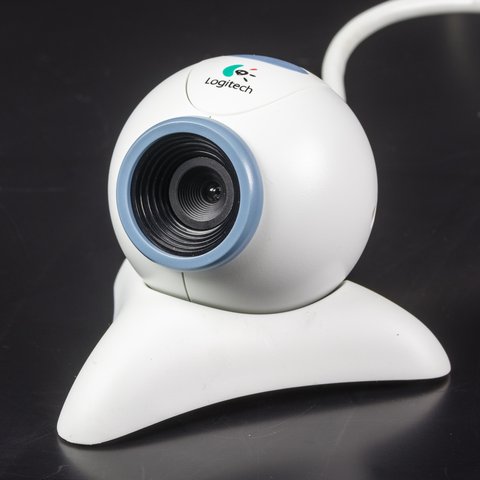
Where to Get the Logitech QuickCam Express Driver
Logitech discontinued official support pages for the QuickCam Express a long time ago, so you will not find it listed on the current Logitech support site product search. That does not mean the driver is impossible to find. Here are your realistic options, ranked by how safe and reliable they are:
- Logitech’s legacy/archive support pages – some older driver packages are still hosted under archived URLs. Search the exact model name plus “driver” on Logitech’s site first.
- Windows Update / generic USB Video Class (UVC) driver – if your QuickCam Express is a UVC-compliant unit, Windows 10 and 11 can install it automatically with no separate driver file at all.
- Trusted driver archive sites – if you cannot find an official copy, only download from reputable archives that scan files and show clear version history. Avoid random file-sharing links.
- The original installation CD – if you still have it, this is honestly the safest source since it is the exact driver Logitech shipped with your unit.
From my own experience: I pulled an old QuickCam Express out of a box a while back and plugged it into a Windows 11 laptop just to see what would happen. No prompt, no install wizard — Windows silently installed it as a generic USB video device and it just worked in the Camera app. Not every unit behaves that way, but it is worth trying before you go hunting for old installer files.
Step-by-Step Installation
Installation differs slightly depending on whether you are using an old OS with the original CD/installer, or a modern system relying on plug-and-play.
On Windows XP or older systems (using the original driver package)
- Do not plug in the camera yet. Run the driver installer first if the package instructs you to.
- Follow the setup wizard prompts and let it copy the QuickCam software and drivers.
- Restart the computer if prompted.
- Plug in the QuickCam Express via USB. Windows should detect it and finish the driver binding automatically.
- Open the QuickCam software (or Device Manager) to confirm the camera shows a live preview.
On Windows 10 or 11 (plug-and-play method)
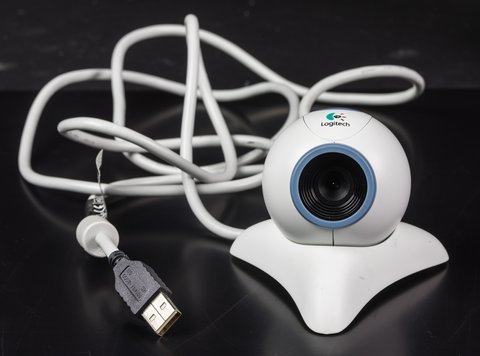
- Plug the QuickCam Express directly into a USB port – avoid USB hubs for the first attempt, since some older cameras are picky about power delivery.
- Wait 10–20 seconds. Windows should detect it as a USB Video Device automatically.
- Open the Camera app or any video call app to check if the feed appears.
- If nothing happens, check Device Manager under “Cameras” or “Imaging devices” for a warning icon.
OS Compatibility Details
Here is a quick breakdown of what to expect on each Windows version, since the QuickCam Express predates a lot of modern driver signing requirements:
| OS Version | Compatibility | Notes |
|---|---|---|
| Windows 98/ME | Native support | Original target OS, full QuickCam software works |
| Windows 2000/XP | Native support | Officially supported by Logitech at release |
| Windows 7/8.1 | Partial/unofficial | Legacy driver may need compatibility mode |
| Windows 10/11 | Works via generic UVC driver | No official Logitech software; basic video only, no special effects |
Per Marcus Tan, who is an IT Support Technician at a regional call center, “We still had a couple of these old QuickCam units in storage, and honestly plugging them into newer Windows machines as a plain USB camera was more reliable than trying to chase down the original install disc.”
Troubleshooting a Failed Install
If the driver install fails, or Windows shows a yellow warning triangle on the camera in Device Manager, work through these steps in order.
1. Confirm the device is actually detected
Open Device Manager and look under “Cameras,” “Imaging devices,” or “Other devices.” If your QuickCam Express shows up as an unknown device with a warning icon, the hardware is detected but Windows has no matching driver bound to it yet.
2. Manually point Windows to the driver (INF install)
- Right-click the unknown device in Device Manager and choose Update driver.
- Select Browse my computer for drivers.
- Choose Let me pick from a list of available drivers on my computer.
- If you have an extracted driver folder with an .inf file, click Have Disk and browse to it directly.
- If no matching driver exists, try selecting a generic USB Video Device from the list – this often works for older UVC-based webcams.
3. Check USB power and port issues
Older webcams sometimes draw more current than a modern USB hub can reliably supply. Plug the QuickCam Express directly into a rear/motherboard USB port on a desktop, or a built-in port on a laptop, rather than through a hub or dock.
4. Run the installer in compatibility mode
Right-click the original setup file, go to Properties > Compatibility, and set it to run as Windows XP (Service Pack 3) or Windows 7, then run it as administrator. This resolves a good number of install failures on modern Windows for software this old.
5. Clean up leftover failed driver entries
If you tried installing multiple times, leftover broken entries can conflict with a fresh attempt. Use Device Manager > View > Show hidden devices, find any grayed-out QuickCam entries, and uninstall them before trying again.
For more general guidance on manual driver installs and interpreting Device Manager error codes, Microsoft’s driver troubleshooting support page is a solid reference, and How-To Geek has several deep-dive articles on forcing generic drivers for orphaned USB hardware.
Tips for Getting the Best Image Quality
- Clean the lens with a microfiber cloth – these old plastic lenses smudge easily and dust builds up over years of storage.
- Position the camera at eye level for video calls instead of angled up or down.
- Use a well-lit room facing a window or lamp in front of you, not behind you, since these older sensors handle backlighting poorly.
- If colors look washed out, check if any legacy QuickCam software installed a control panel with brightness/contrast sliders and adjust manually, since Windows’ built-in camera settings are fairly limited for third-party sensors.
If the software suite did install successfully, it sometimes bundles basic effects and motion-detection recording tools that go beyond what the generic Windows driver offers, so it is worth trying the original installer at least once even on a modern PC.
Frequently Asked Questions
Does the Logitech QuickCam Express work on Windows 11?
Yes, in most cases. Windows 11 typically recognizes it as a generic USB Video Device and provides basic camera functionality without needing Logitech’s original software.
Why does my QuickCam Express show up as an unknown device?
This usually happens when no matching driver is currently bound to the hardware. Follow the manual INF install steps above, or let Windows attempt the generic USB Video Device driver.
Can I still get the official Logitech software for this camera?
Official Logitech support for this model has ended, so the original software suite is no longer distributed through current Logitech channels. You may find archived copies, but always verify the source before downloading.
Is it worth using such an old webcam today?
For casual video chat or a backup camera, yes, it is perfectly usable. Just do not expect HD resolution or low-light performance comparable to a modern webcam.
The camera light turns on but there is no video feed. What should I check?
Close any other application that might be using the camera (only one app can access it at a time), then check your video call app’s camera selection menu to make sure the correct device is chosen.
Conclusion
The Logitech QuickCam Express is old enough that you likely will not need a dedicated driver at all on a modern PC – Windows’ generic USB Video Device driver handles it fine for basic use. If you do need the original software for its extra features, track it down through Logitech’s legacy pages or your original install disc, and fall back on the manual Device Manager install steps above if anything goes wrong. With the lens cleaned and the camera plugged directly into a rear USB port, this little webcam still gets the job done for simple video calls.
Ryan holds a degree in Computer Science and has spent over two decades elbow-deep in PC hardware, legacy peripherals, and driver troubleshooting, from dial-up era webcams to today’s USB-C docks. He writes hands-on driver and hardware guides for softwaredriverdownload.com, focusing on practical fixes rather than generic manufacturer copy-paste.