I picked up the Haylou FlowBuds N55 after noticing them listed as one of the brand’s newer active noise cancelling earbuds, and I wanted to see whether a budget-friendly pair could keep up with pricier ANC earbuds I have tested before. After roughly two weeks of daily use — commuting on a noisy train, working from a busy coffee shop, and a couple of gym sessions — here is what actually stood out.
Design And Comfort
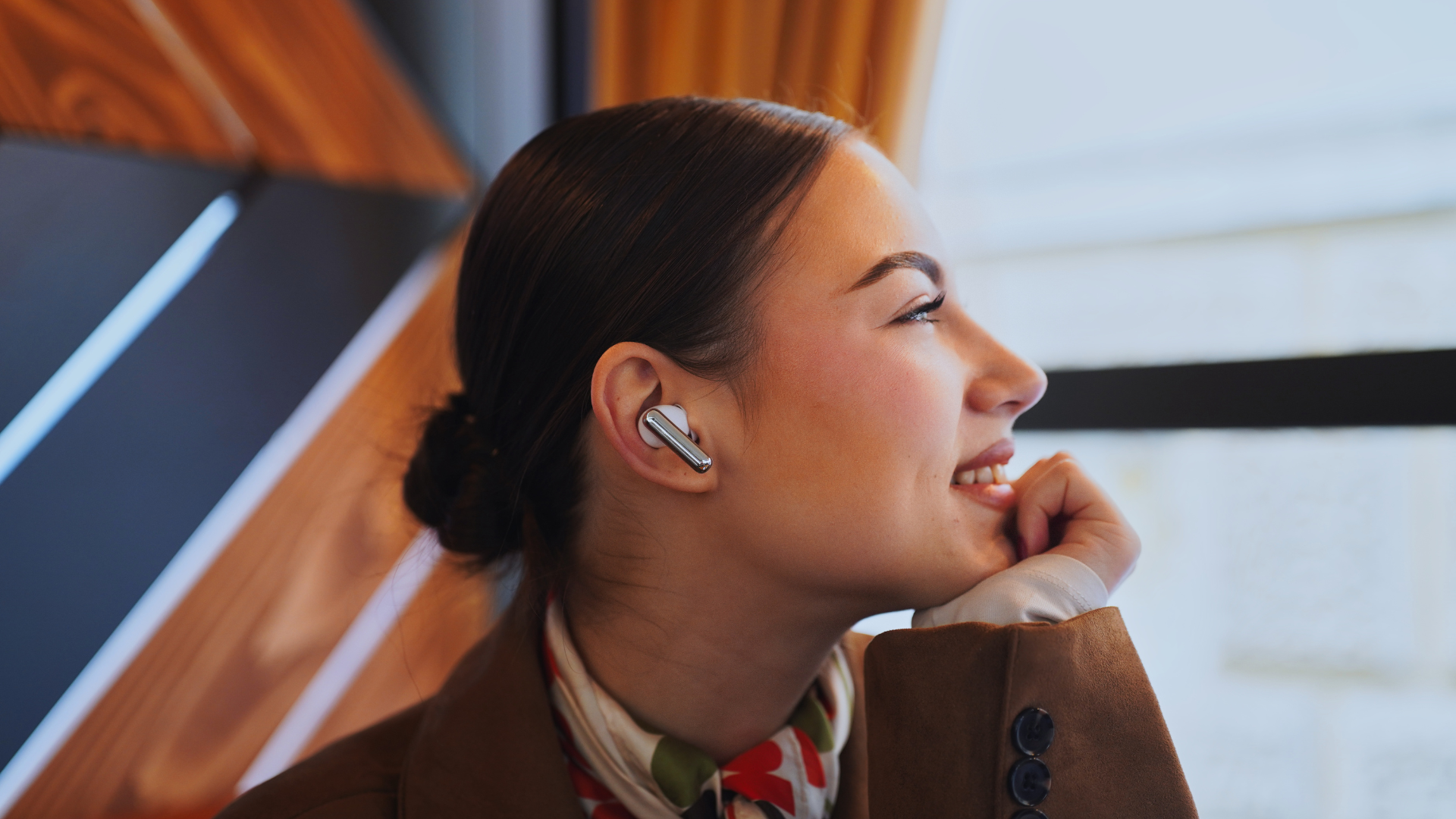
The FlowBuds N55 use a fairly compact in-ear shape with a shallow nozzle, and I did not feel any pressure buildup even after two-hour listening sessions. The case is small enough to fit in a jeans pocket without printing an obvious bulge, which matters more than it sounds once you are carrying it around all day.
- IPX5 water resistance, so light rain or sweat during a workout is not a concern
- Two color options (black and white) at the time of writing
- Touch controls on each earbud for play/pause, track skip, and calls
Sound Quality And Drivers
Each earbud uses a 12.4mm titanium-coated driver, and Haylou has tuned these for a slightly bass-forward sound that still keeps vocals reasonably clear. LDAC support is a genuine surprise at this price — if your phone supports the codec, streaming from a music app noticeably tightens up the top end compared to standard AAC. You can read more about the driver and audio certification claims on the official Haylou announcement page.
Active Noise Cancellation
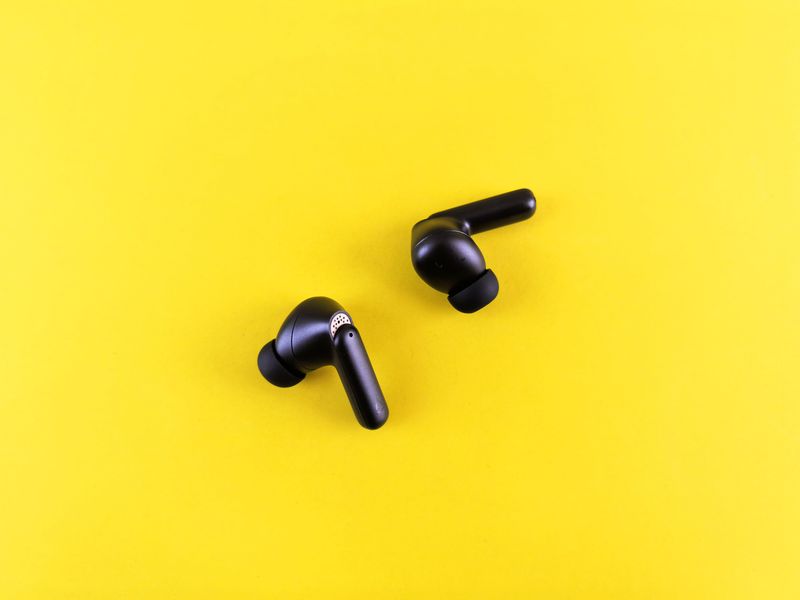
Haylou rates the adaptive ANC at up to 54dB, and in practice it does a solid job on continuous low-frequency noise such as engine hum, HVAC systems, and airplane cabin drone. It is noticeably weaker against sudden sharp sounds like a dog bark or a door slam, which is typical for ANC at this price point. Wind noise reduction rated for up to 10 m/s held up reasonably well during an outdoor walk, though I would not rely on it for cycling at speed.
An independent hands-on write-up from Scarbir’s FlowBuds N55 review lines up closely with what I experienced, particularly around the bass-heavy tuning.
Calls And Microphones
Six microphones handle call pickup, and voice calls from a moderately busy street were understandable on the other end, based on feedback from a friend I called during testing. It will not replace a dedicated headset for long conference calls, but for everyday phone calls it is more than adequate.
Battery Life And Connectivity
Haylou advertises up to 12 hours per charge and 40 hours total with the case, and my own testing with ANC on most of the time landed closer to 9-10 hours per charge, which still beats a lot of competitors in this bracket. Bluetooth 6.0 with dual-device multipoint worked as expected, letting me stay connected to both a laptop and a phone without manually switching every time.
- Charge the case fully before first use (about 90 minutes via USB-C)
- Pair once through your phone’s Bluetooth settings
- Use the companion app to fine-tune EQ and check in-ear detection settings
What’s In The Box
Alongside the earbuds and charging case, Haylou includes a short USB-C charging cable, three sizes of silicone ear tips, and a basic printed quick-start card. There is no carrying pouch included, which is a minor omission at this price point, though the case itself is compact enough that it survives loose in a bag without much concern.
Comparing The FlowBuds N55 To Other Budget ANC Earbuds
Having tested a fair number of sub-flagship ANC earbuds over the past couple of years, the FlowBuds N55 slots in comfortably ahead of most earbuds in a similar price bracket, mainly because of the LDAC support and the six-microphone call array. Where it falls a little short is isolation from sudden noises — some competing pairs with foam tips achieve a tighter passive seal that helps even before ANC kicks in. If your priority is passive isolation over active cancellation, it is worth trying the included tip sizes carefully, since fit affects both comfort and how much of the ANC processing actually gets a clean signal to work with.
- Stronger LDAC and Hi-Res audio support than most similarly priced competitors
- Better than average call quality thanks to the six-microphone setup
- Slightly behind premium ANC earbuds on isolating sudden, sharp sounds
Tips To Get The Most Out Of The ANC Mode
A few small adjustments made a noticeable difference during my testing. First, try all three included ear tip sizes rather than assuming the pre-installed size is correct — a poor seal undermines ANC performance more than people expect. Second, check the companion app for an in-ear detection toggle, since leaving it enabled saves battery by automatically pausing playback when an earbud is removed. Finally, if you primarily use ANC indoors, the adaptive mode tends to perform better than a fixed maximum setting, since it continuously reacts to the room rather than applying a blanket cancellation profile that can occasionally introduce a faint hiss.
Frequently Asked Questions
Does the Haylou FlowBuds N55 support LDAC on every phone?
Only phones and audio sources that support the LDAC codec will get the benefit; otherwise the earbuds fall back to standard AAC or SBC without any loss of basic functionality.
Is the ANC as strong as flagship earbuds costing three times as much?
No, and Haylou does not claim that either. It is genuinely competitive within its own price bracket, but flagship ANC from bigger brands still edges it out on complex noise environments.
Can I use only one earbud at a time?
Yes, mono mode works for either earbud, which is handy for calls or when you want to stay aware of your surroundings.
Conclusion
The Haylou FlowBuds N55 is one of the more convincing budget ANC earbuds I have tested recently. The combination of LDAC support, genuinely useful noise cancellation, and long battery life makes it easy to recommend for anyone who wants ANC without paying flagship prices. It is not perfect — sharp transient noises still get through, and the touch controls take a session or two to learn — but for the price, there is very little to complain about.
I’ve spent the last few years testing budget audio gear side by side, comparing spec sheets against real listening sessions before recommending anything to readers.
\n