I needed a pair of budget wireless headphones for long work-from-home days, and the Bluedio H Turbine kept popping up as a cheap option with surprisingly long battery life claims. After wearing them through several weeks of calls, music, and commutes, here is what stood out, good and bad.
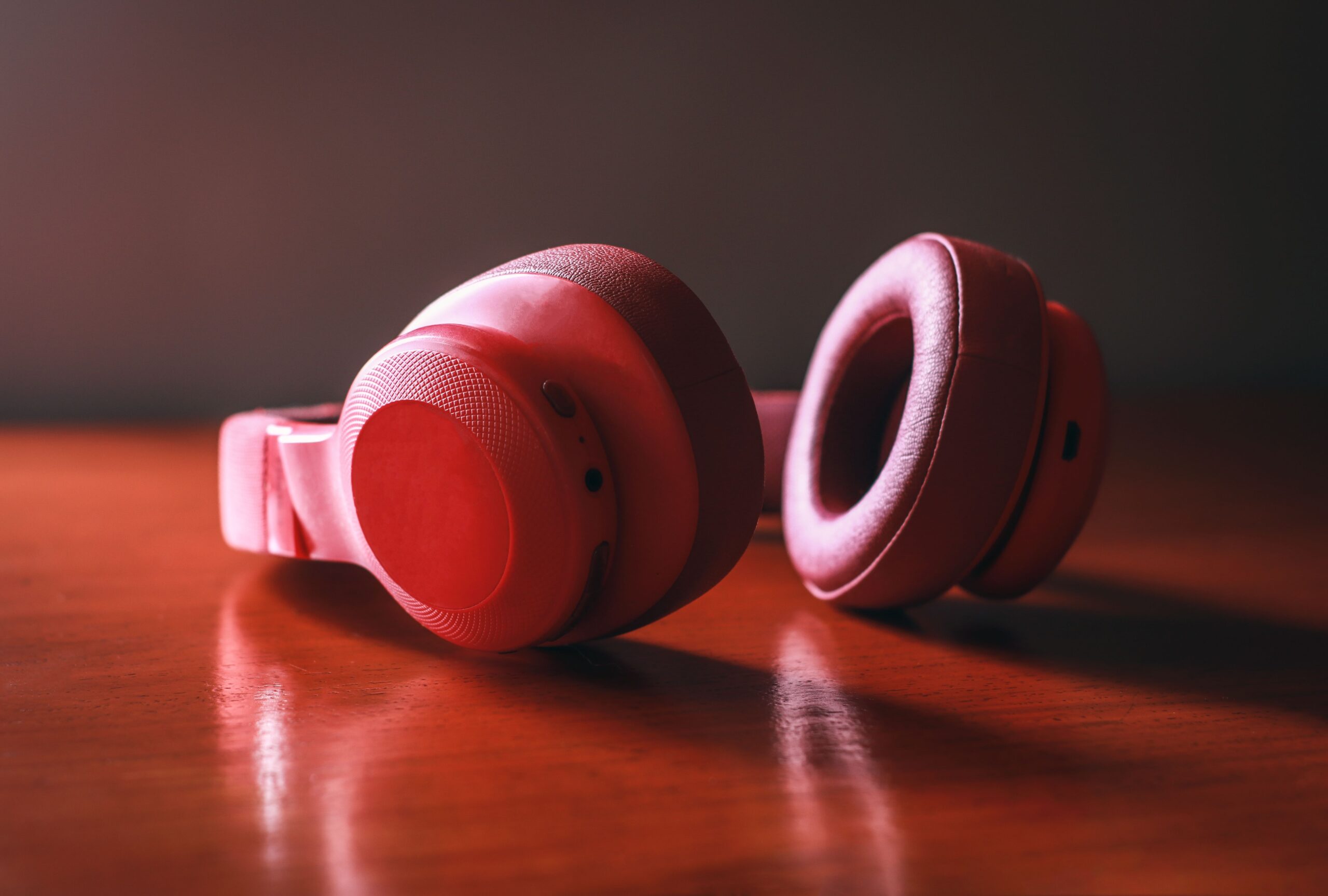
What You Get With the H Turbine
The H Turbine is an over-ear wireless headphone built around Bluedio’s turbine-style housing design, which the company uses across several of its headphone lines. Core specs include:
- 57mm dynamic drivers for stronger low-end than most headphones at this price
- Bluetooth 5.0 with a wired 3.5mm fallback option
- Built-in microphone for calls
- Rated up to 40 hours of playtime on a single charge
- MicroSD card slot for playing music directly without a phone connected
- Acoustic echo cancellation for clearer calls in noisy environments
Comfort and Fit
The ear cups are on the smaller side compared to full-size studio headphones, sitting more on the ear than fully around it for some ear shapes. I found them comfortable for two to three hour stretches before needing a short break, which is reasonable for the price point. The headband has decent padding and the clamping force is moderate — not loose enough to slip during light movement, not so tight that it becomes uncomfortable quickly.
Sound Signature
True to Bluedio’s usual house sound, the H Turbine leans bass-forward. Low-end hits with noticeable punch on electronic and hip-hop tracks, while vocals and higher frequencies sit a bit further back in the mix. For casual listening and calls this works fine, but anyone coming from a more neutral-tuned headphone will notice the emphasis right away.
Battery Life in Practice
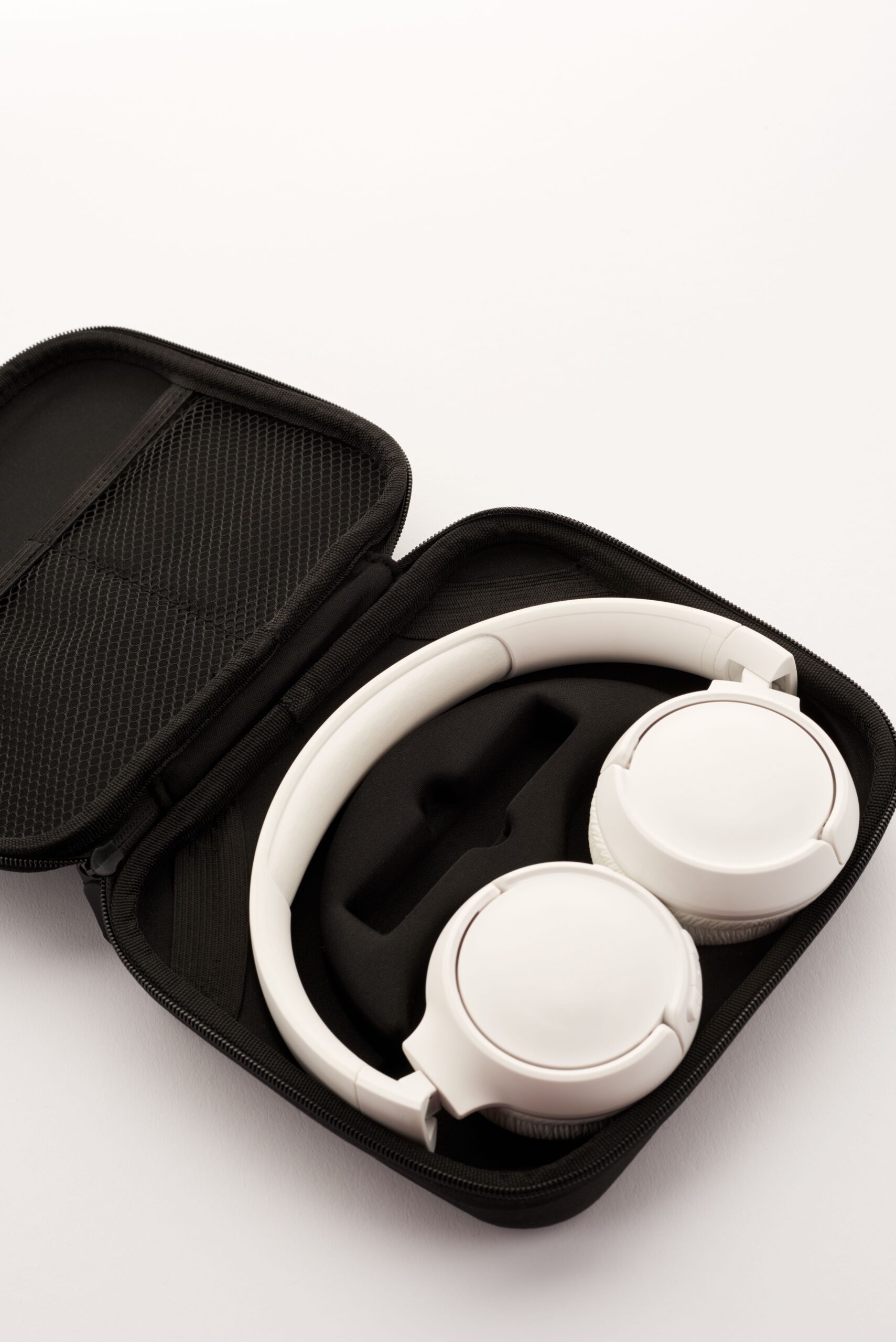
Bluedio’s 40-hour claim held up better than I expected. With moderate volume (roughly 60-70% max) and mixed use between music and calls, I got close to 35 hours before needing to recharge, which is genuinely excellent for headphones in this price range. Charging is via micro-USB rather than USB-C, which is a minor inconvenience if most of your other devices have already moved to USB-C cables.
Call Quality
The built-in acoustic echo cancellation noticeably reduced background noise bleeding through on calls compared to cheaper Bluetooth headphones I have tested previously. Voice clarity for the person on the other end was clear in a quiet room and held up reasonably well with moderate background noise, though it is not on the level of headphones designed specifically for professional calls.
Tips for Longer-Lasting Comfort and Battery Life
A few small adjustments made a real difference over long wearing sessions:
- Angle the ear cups slightly forward when putting them on for the first time — a small adjustment in cup rotation made a noticeable comfort difference for my ear shape.
- Keep volume around 60-70% of maximum for both better hearing safety and a meaningful battery life boost over listening near full volume.
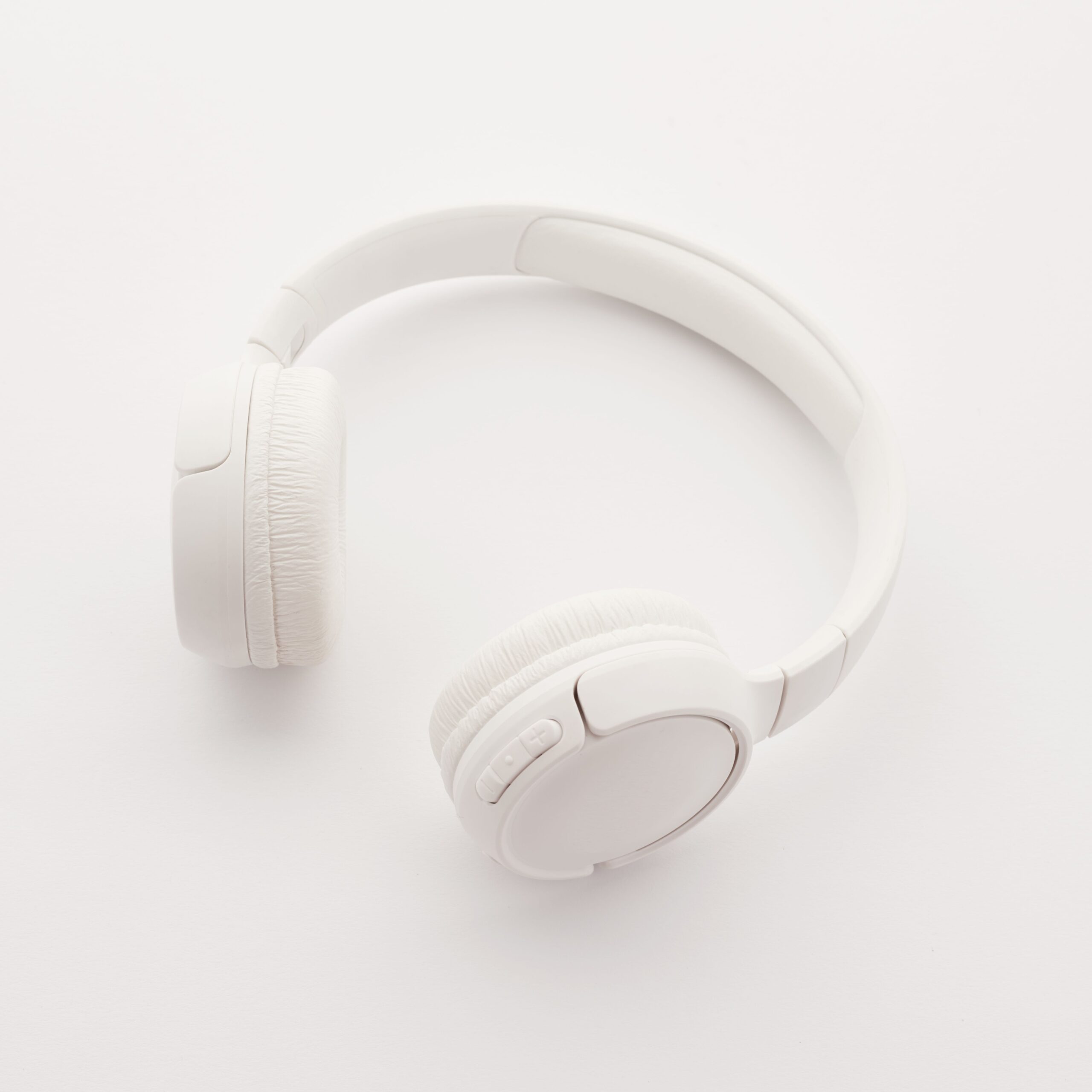
- Store them in a case rather than loosely in a bag; the hinge points are the first thing to loosen on budget over-ear headphones with frequent use.
- Charge fully before a long trip rather than topping off partially, since micro-USB charging on this model is noticeably slower than USB-C charging on newer headphones.
Wired Mode and MicroSD Playback
Two features stand out as nice extras at this price:
- Wired 3.5mm fallback: if the battery dies mid-flight or mid-commute, plugging in a standard cable keeps the music going with no interruption.
- MicroSD playback: load an SD card with music files and the headphones will play audio directly, no phone or Bluetooth connection required — handy for workouts where you would rather leave your phone behind.
For background on Bluetooth 5.0’s practical range and reliability compared to older versions, the Bluetooth SIG’s own technology overview is a useful reference if you want the technical details behind why newer Bluetooth versions hold a more stable connection.
Frequently Asked Questions
Do the H Turbine headphones support noise cancellation?
They include acoustic echo cancellation aimed at improving call clarity, but they do not have active noise cancellation (ANC) for blocking outside ambient sound during music playback.
What colors are available?
The H Turbine ships in multiple color options depending on the retailer, typically including black and a couple of accent color variants.
Can I use them wired and wireless at the same time?
No, you choose one mode at a time — plugging in the 3.5mm cable disables the Bluetooth audio path while it is connected.
Is there a companion app?
No dedicated app is required for basic use; pairing and playback controls work directly through the headphones and your device’s standard Bluetooth settings.
How loud can the H Turbine go before distorting?
Volume held up cleanly to around 85-90% of maximum on most tracks before I noticed any harshness, which is a good ceiling for a headphone at this price point.
Are replacement ear cushions available?
Third-party replacement foam and protein-leather cushions sized for Bluedio’s turbine-style housing are commonly sold on general marketplaces, which is useful once the stock pads start to wear down after extended daily use.
How It Stacks Up Against Bluedio’s T-Series
Compared to Bluedio’s T-series headphones like the T7, the H Turbine skips active noise cancellation entirely, focusing instead on maximizing battery life and adding the microSD/wired flexibility described above. If ANC is a priority for flights or noisy commutes, the T7 is the better choice. If your priority is squeezing the most hours out of a single charge and having offline playback options, the H Turbine is the more practical pick.
Conclusion
The Bluedio H Turbine punches above its price with genuinely long battery life, a bass-forward sound that suits casual listening, and useful extras like microSD playback and a wired fallback mode. It is not a headphone for critical, neutral-sounding listening, but as an everyday work-from-home and commuting companion that will not need charging every night, it delivers real value.
Worn daily for calls, music, and commuting over several weeks of testing. I put in real hours with the headphones I review rather than judging them off a spec sheet alone.