The Tangzu Wan’er 2 and the Tanchjim Bunny are two of the most talked-about budget earphones right now, and both keep landing on the same shortlists for a first serious IEM purchase. I spent a couple of weeks running both through the same playlists to figure out where they actually differ, beyond the marketing copy, since on paper they can look deceptively similar.
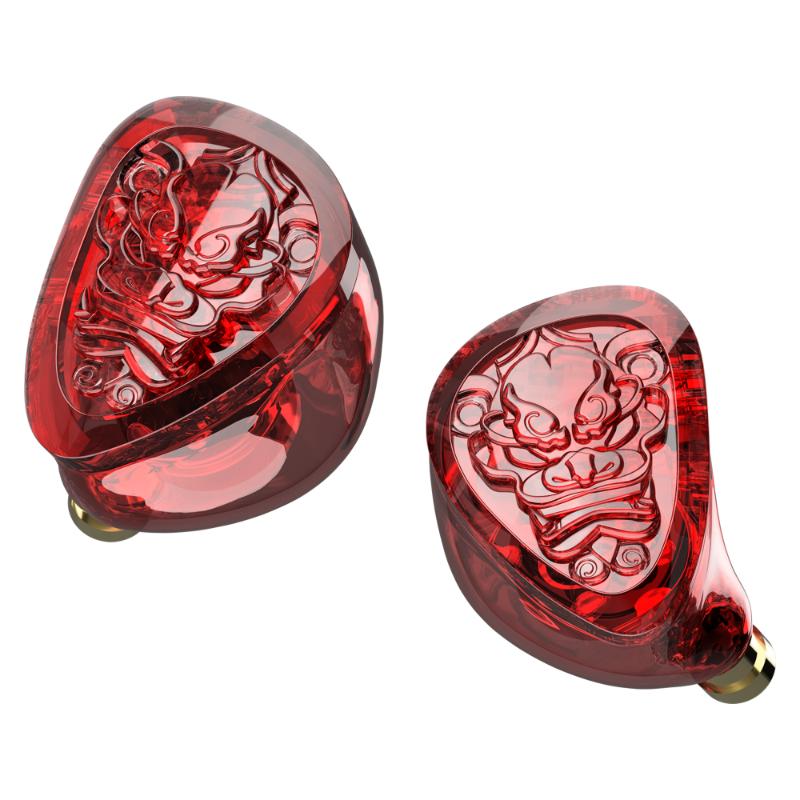
Spec Comparison
| Spec | Tanchjim Bunny | Tangzu Wan’er 2 |
|---|---|---|
| Driver type | 10mm dynamic, titanium-plated PET diaphragm | Single dynamic driver |
| Impedance | 30Ω | ~28Ω |
| Sensitivity | 123dB/Vrms | ~120dB |
| Cable connector | 0.78mm 2-pin | 0.78mm 2-pin |
| Optional accessory | USB-C DSP cable with EQ app | Optional USB-C version available |
| Approximate price | $20 | $25 to $30 |
One clarification worth making up front, since this trips a lot of people up: the Wan’er 2 does not have onboard DSP built into the driver itself the way some marketing implies. Its digital signal processing capability, where offered, lives in an optional USB-C cable, similar in concept to the Bunny’s own DSP cable option, not in the earphone shell.
Sound Signature: Vocal-Centric vs Neutral
The Wan’er 2 is tuned as a vocal-centric all-rounder, with a warmer lift through the midrange and stronger, more intense bass than the Bunny. It is the more crowd-pleasing of the two out of the box, especially for pop, R&B, and vocal-heavy tracks where that midrange warmth flatters the recording.
The Bunny stays closer to neutral, with a more conservative, percussive low end and vocals that are present but less colored. It is the more technically tidy of the two in terms of bass control, while the Wan’er 2 pulls ahead in raw detail retrieval, bass texture, and imaging according to most independent measurements and listening comparisons I have seen and heard myself.
- Wan’er 2: warmer mids, stronger bass intensity, stronger technical scores overall
- Bunny: more neutral and reserved, tighter and more controlled bass
- Wan’er 2 generally regarded as the stronger all-rounder on pure technical merit

Accessories and Everyday Practicality
The Wan’er 2 tends to ship with a nicer stock cable and better ear tip selection out of the box, which matters if you are not planning to buy aftermarket accessories right away. The Bunny’s shell is smaller and lighter, and its in-line mic and chin slider on the standard cable are handy if you take calls on the go.
Both earphones offer an optional USB-C cable path for people who want basic digital tuning without buying a separate dongle or DAC. If EQ customization matters to you, the Bunny’s DSP cable and companion app are more mature at this point, simply because Tanchjim has had it in market longer.
If you are curious about the specific DSP marketing claims around the Wan’er 2, it is worth reading independent breakdowns rather than the product listing copy alone, since some of the claims have been questioned by reviewers who tested the cable directly against a plain analog connection.
Which One Should You Buy
If you want the strongest all-round technical performance for the money and do not mind a warmer, more vocal-forward tuning, the Wan’er 2 is the safer buy on paper, and it does not cost dramatically more than the Bunny. Coverage from KeepHiFi’s review of the Wan’er 2 backs up what I heard: strong value with only minor caveats.
If you specifically want the most neutral, least colored tuning at the lowest price, or you are drawn to the Bunny’s smaller shell and its DSP ecosystem, it still earns its spot on a budget shortlist. Neither is a wrong purchase, but if I had to recommend just one to a friend who asked me to pick without knowing their taste, I would lean toward the Wan’er 2 for its slightly stronger all-around technical performance.
Genre-by-Genre Listening Impressions
Here is how the difference in tuning actually played out across the styles of music I listen to most:
- Pop and R&B: the Wan’er 2’s warmer midrange lift made vocals feel fuller and more intimate, and it was the earphone I reached for on late-night listening sessions.
- Acoustic and jazz: the Bunny’s more neutral tuning kept instrument timbre closer to natural, with less added warmth coloring the recording.
- Bass-heavy electronic tracks: the Wan’er 2’s stronger sub-bass gave a noticeably bigger sense of scale, though the Bunny’s tighter bass stayed cleaner at higher volumes.
- Podcasts and spoken word: both were comfortable for long sessions, though I slightly preferred the Bunny’s smaller shell for all-day wear.
Neither earphone felt like a compromise in any of these categories, which is honestly the most impressive part of testing budget IEMs today compared to a few years ago. The gap that used to separate a $20 pair from a $150 pair has narrowed considerably, and comparisons like this one are largely about matching tuning preference rather than avoiding a bad purchase.
Frequently Asked Questions
Does the Tangzu Wan’er 2 really have built-in DSP?
Not in the base earphone shell. Any digital signal processing is delivered through an optional USB-C cable accessory, the same general approach the Bunny uses with its own DSP cable.
Which has better bass, the Bunny or the Wan’er 2?
The Wan’er 2 has more intense, more textured bass overall. The Bunny’s bass is more conservative and controlled but less impactful.
Are the two earphones similarly priced?
Roughly. The Bunny is typically a few dollars cheaper, but both sit firmly in the budget category under $30.
Can I use aftermarket cables with both?
Yes, both use the standard detachable 0.78mm 2-pin connector, so cable swaps work the same way on either earphone.
Conclusion
The Bunny and the Wan’er 2 are both excellent examples of how competitive the sub-$30 IEM market has become. The Wan’er 2 wins on raw technical performance and a more crowd-pleasing tuning, while the Bunny holds its own with a smaller shell, a more neutral signature, and a slightly more mature DSP cable ecosystem. Try to listen to a sample of each tuning style before buying if you can, since the difference between vocal-forward warmth and neutral balance is really the deciding factor here, not build quality or price.
I have been chasing diminishing returns in this hobby for longer than I probably should admit, and pairs like these two are proof that you genuinely do not need to spend much to get a satisfying result.