Moondrop’s own lineup makes this comparison an interesting one, because the Aria 2 and Starfield 2 are not really rivals so much as siblings aimed at different budgets. Both use a single dynamic driver philosophy, both share the brand’s house sound, and both are frequently recommended in the same breath. The real question most people are asking is whether the Starfield 2’s higher price actually buys a meaningfully better earphone, or whether the Aria 2 gets you 90% of the experience for a lot less money.
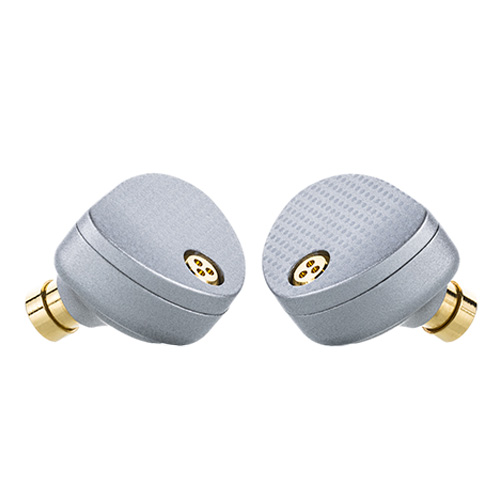
Spec Comparison
| Spec | Moondrop Aria 2 | Moondrop Starfield 2 |
|---|---|---|
| Driver | 10mm ceramic-coated composite diaphragm | 10mm Mg-Li alloy dome composite diaphragm |
| Impedance | 33 ohms ±15% | 15 ohms ±15% |
| Sensitivity | 122dB/Vrms | 122dB/Vrms |
| Shell/cavity | Resin composite shell | Zinc alloy cavity with brass nozzle |
| Positioning | Entry-level budget tier | Step-up mid-tier model |
What the Different Diaphragm Materials Mean
This is the real technical distinction between the two. The Aria 2 uses a ceramic-coated composite diaphragm, while the Starfield 2 steps up to a lithium-magnesium alloy dome. In simple terms, the Mg-Li alloy is stiffer and lighter for its size, which generally allows a driver to move more precisely at higher frequencies without distorting. This is a big part of why the Starfield 2 has a lower rated impedance despite sharing similar sensitivity — the driver engineering is genuinely different, not just a marketing label.
In listening, this translates to the Starfield 2 having a slightly more resolving treble and a marginally more controlled bass response under complex passages. It is not a night-and-day difference, but it is audible if you know what to listen for, especially on busier tracks with a lot of simultaneous instruments.
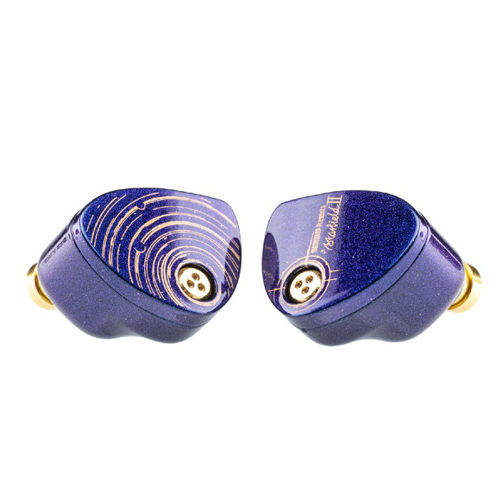
Where Each Fits in a Growing Collection
If you are the kind of listener who tends to accumulate a small rotation of IEMs rather than settling on one forever, there is a reasonable case for owning both. The Aria 2 makes an excellent grab-and-go pair for commuting or situations where you would not want to risk a pricier earphone, while the Starfield 2 can serve as your dedicated at-home listening pair when you have time to sit and focus. This is actually a common pattern among hobbyists who start with the Aria 2, fall in love with the brand’s house sound, and later add the Starfield 2 specifically because it refines rather than replaces that same signature.
Build Quality Differences
The Starfield 2’s zinc alloy cavity gives it a noticeably more substantial, premium feel in hand compared to the Aria 2’s resin shell. This is not just about aesthetics — a metal shell tends to be more resistant to long-term wear and scratching, and it can subtly affect internal resonance characteristics too. That said, the Aria 2’s lighter resin shell has an advantage of its own: it is more comfortable for some ear shapes during very long listening sessions, since it weighs less.

Is the Price Difference Worth It?
Here is where I will be direct: the jump from Aria 2 to Starfield 2 is a real, audible upgrade, but it is not a dramatic one. If you are on a strict budget or just getting into the hobby, the Aria 2 remains an excellent starting point that does not leave you feeling shortchanged. If you already own the Aria 2 and are wondering whether to upgrade, the Starfield 2 offers:
- A more refined, controlled treble response thanks to the upgraded diaphragm material
- A more premium, durable metal shell
- Slightly tighter bass control on complex or bass-heavy tracks
- A more mature, “finished” overall presentation that some listeners describe as more effortless
Whether that is worth the price gap depends on how sensitive you are to these differences and how much you value build quality. For most casual listeners, the Aria 2 will satisfy for years. For listeners who have spent time critically comparing gear, the Starfield 2’s refinements are genuinely noticeable.
Both models are documented in detail on Moondrop’s official Starfield 2 product page, which is worth reading alongside the Aria 2 listing before making a final call.
A Side-by-Side Listening Session
I set up both earphones with a Y-splitter and the same source so I could switch instantly between them without any level mismatch skewing my impressions. On a densely arranged orchestral recording, the Starfield 2 kept individual string sections more distinct from each other during the loudest passages, while the Aria 2 started to blend things together slightly once the material got busy. On simpler acoustic tracks with just a vocalist and guitar, the difference nearly disappeared — both earphones sounded convincingly natural, and I doubt most listeners would reliably pick out which one was playing in a blind test on that kind of material.
That is the honest takeaway here: the Starfield 2’s advantages show up specifically under complex, demanding material, not across the board. If most of what you listen to is simpler acoustic or vocal-led music, you may not get your money’s worth out of the upgrade.
Frequently Asked Questions
Is the Starfield 2 a direct upgrade to the Aria 2?
It is positioned as a step-up model in Moondrop’s lineup rather than a direct successor, but many buyers do treat it as the natural next step after the Aria 2.
Do they use the same cable?
Both use a 0.78mm 2-pin detachable cable, so cables are generally interchangeable between them if you want to experiment.
Is the Starfield 2 harder to drive?
Its lower impedance actually makes it slightly easier to drive to loud volumes from weaker sources, though both earphones work fine from a basic dongle DAC.
Should a beginner start with the Starfield 2 instead of the Aria 2?
Only if budget is not a major concern. For most newcomers, the Aria 2 delivers excellent value and is the more sensible starting point.
Conclusion
The Moondrop Aria 2 and Starfield 2 share a family resemblance in tuning philosophy, but the Starfield 2’s upgraded diaphragm material and metal shell deliver a real, if incremental, step up in refinement. If you are budget-conscious, the Aria 2 is still one of the smartest buys in its price range. If you want the more polished version of that same sound and are willing to pay for it, the Starfield 2 earns its higher price tag.
About the author: an enthusiast reviewer who has owned and compared several generations of Moondrop’s dynamic driver lineup.