If you have already narrowed your search down to Hidizs’ 14.5mm planar family, the real decision usually is not MP143 versus MP145 — it is whether the “Pro” upgrade over the standard MP145 is worth the extra money. I put both side by side for a week to figure out exactly what changes and whether it matters for real-world listening rather than just spec-sheet bragging rights.
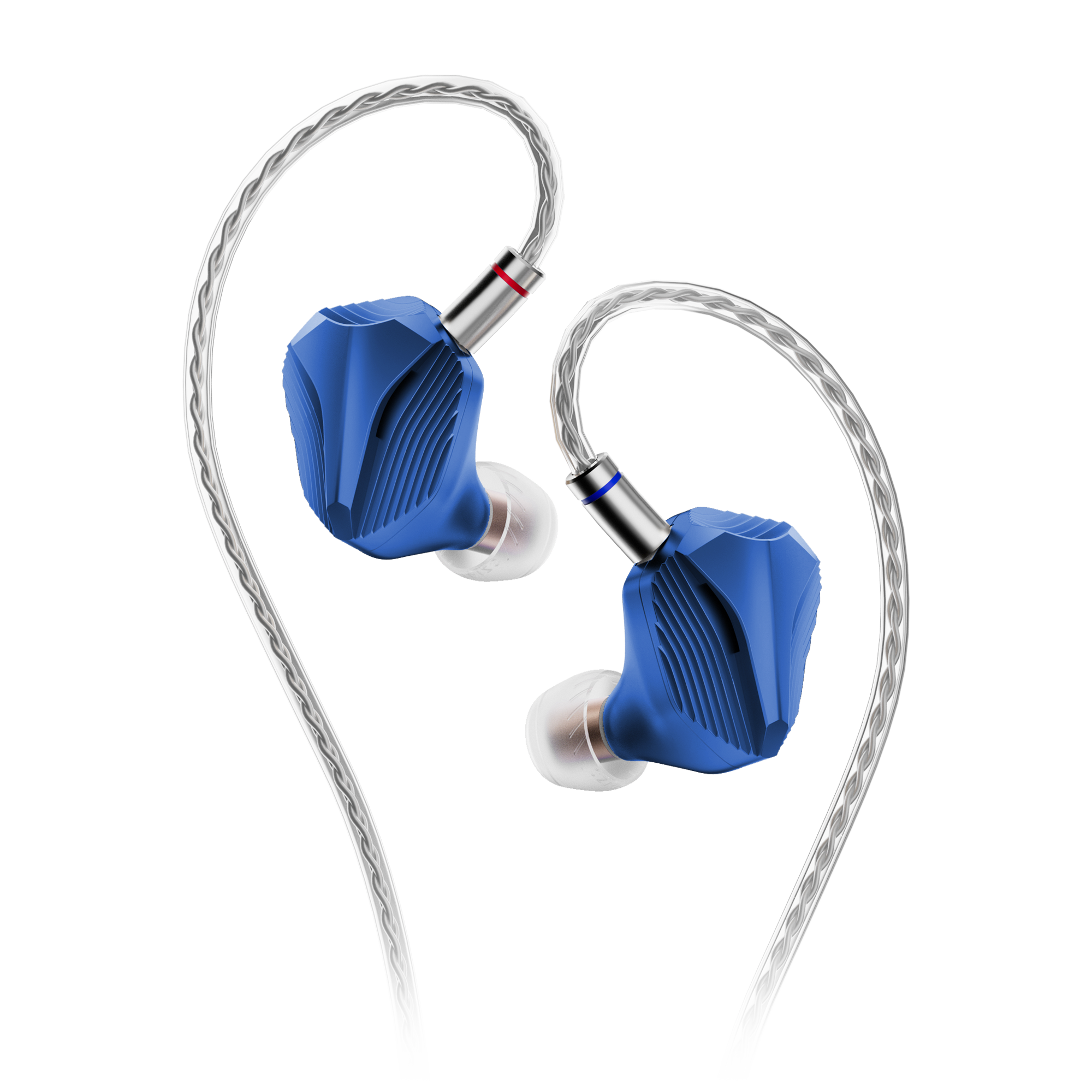
Same driver size, different internals
Both IEMs use a 14.5mm planar magnetic diaphragm, so on paper they look nearly identical. The difference is entirely in how that diaphragm is driven. The standard MP145 uses a fully symmetrical magnetic circuit with a 7+7 N52H magnet array. The Pro version swaps in a denser 7+7 N54H array under what Hidizs calls a “1 Tesla Fully Symmetrical Magnetic Circuit,” along with roughly 30 percent more copper in the diaphragm’s conductive trace. More magnetic flux plus more copper generally means the diaphragm can be driven with tighter control and lower distortion, especially at higher volumes.
Spec comparison
| Spec | Hidizs MP145 | Hidizs MP145 Pro |
|---|---|---|
| Driver | 14.5mm planar magnetic | 14.5mm planar magnetic, upgraded circuit |
| Magnet array | 7+7 N52H | 7+7 N54H, ~40% more flux |
| Diaphragm copper trace | Standard | ~30% more copper |
| Impedance | 30 ohms | 30 ohms |
| Cable | Silver-plated copper, fixed plug | 6N silver-plated single-crystal copper, swappable 3.5mm/4.4mm plugs |
| Eartips | Standard silicone tips | Sea Anemone liquid silicone tips |
| Approx. price | Around $199 | Around $209, Kickstarter pricing from $169 |
Does it actually sound different?
Yes, though the gap is a refinement rather than a reinvention. Bass on the Pro version stays tighter and more controlled at higher volumes where the standard MP145 starts to lose a bit of composure. Detail retrieval is a step up too — small transient details in busy mixes come through cleaner on the Pro. The overall tonal balance and soundstage size are very close between the two, so if you already like how the MP145 is tuned, the Pro will not surprise you tonally, it will just execute that same tuning with a bit more precision.

The cable difference is bigger than you might expect
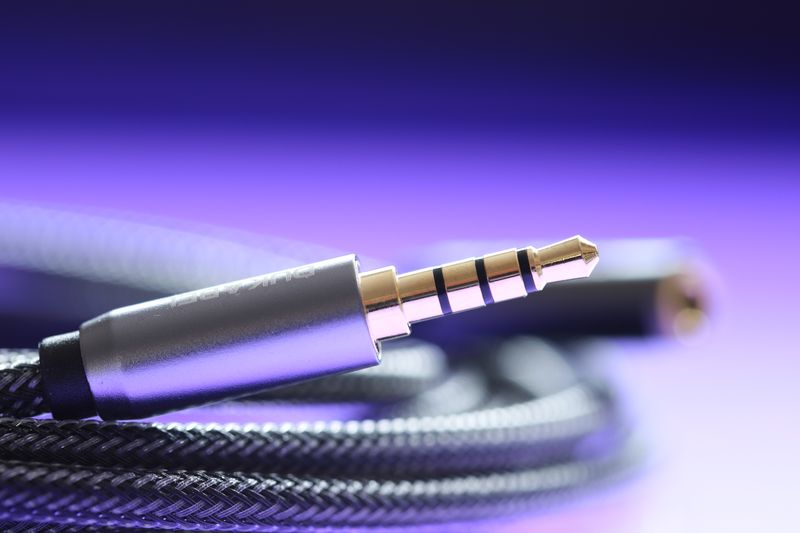
- The Pro’s 6N single-crystal copper cable is noticeably more supple and has less microphonic noise than the standard MP145 cable.
- Swappable 3.5mm/4.4mm plugs on the Pro mean you can move between single-ended and balanced sources without buying an adapter or a separate cable.
- The upgraded Sea Anemone eartips on the Pro also feel softer and hold a seal slightly better across longer sessions.
None of these are dramatic, but stacked together they make the Pro feel like a more complete package out of the box, not just a driver upgrade.
Who should pay the difference
If you are budget-conscious and mostly listen casually, the standard MP145 already sounds very good and will satisfy most listeners without the upgrade. If you are more critical about bass control at volume, want the swappable-plug cable, or plan to pair the IEM with a balanced source down the line, the Pro’s roughly 5 to 10 percent price premium over the standard model is a reasonable trade. Current pricing for both is listed on the Hidizs MP145 Pro product page.
A closer look at real listening scenarios
To make the comparison concrete, I ran both units through the same three test cases I use for most planar IEM reviews: a dense electronic track with layered sub-bass, a solo vocal recording, and a busy live band recording with lots of simultaneous instruments. On the dense electronic track, the Pro’s tighter bass control was the most obvious difference — the standard MP145 started to smear low-end details together at higher volumes where the Pro stayed composed. On the solo vocal track, the difference was much smaller, since vocal-range clarity was already strong on the standard model and the Pro’s improvements are concentrated more in bass control and fine detail retrieval than in midrange presentation.
The busy live band recording is where the Pro’s extra resolution earned its keep most clearly — instrument separation was noticeably cleaner, with less of the “everything blending together” effect that can happen when a driver struggles to keep up with a lot of simultaneous transient information. If your listening leans heavily toward complex mixes with a lot of instruments playing at once, that is where the Pro’s upgrade will matter most to your actual experience rather than just showing up in a lab measurement.
For genres like ambient, acoustic solo performances, or simpler pop production, the gap narrows enough that most listeners in a blind test would struggle to reliably pick the Pro over the standard model.
Troubleshooting and Common Ownership Questions
- One earpiece sounds quieter than the other: Before assuming a driver defect, clean the nozzle mesh with a dry brush and confirm the eartip is seated fully and evenly on both sides — a partial seal on just one side is the single most common cause of a perceived channel imbalance on any IEM, including both MP145 models.
- Cable feels stiff or springy out of the box, especially on the standard MP145: This is normal for a new cable and typically loosens up within the first week of regular handling. Coiling it loosely for storage rather than tightly wrapping it speeds up this break-in process.
- Bass sounds thinner than expected on the Pro despite the tighter-control marketing: Double check eartip size and seal first, since an undersized or poorly seated tip reduces perceived bass more than any driver difference between the two models. Try one size up from your usual choice before concluding the tuning is the problem.
- Balanced 4.4mm plug feels loose on the Pro’s swappable system: Confirm it is fully seated and twisted to the locked position rather than just pushed in — the swappable termination system needs a small rotation to lock in place, and a loose feel is usually an incomplete connection rather than a defect.
- Noticeable hiss with sensitive-eared or high-sensitivity variants: This is more a function of your source device’s output noise floor than the IEM itself. Pairing either model with a cleaner source, such as a dedicated DAC/amp instead of a phone’s built-in jack, usually resolves it.
Frequently asked questions
Can I use the MP145 Pro’s cable on the standard MP145?
Yes, both use the same 2-pin connector standard, so cables are interchangeable between the two models.
Is the sound difference noticeable to a casual listener?
It is subtle. Critical listeners will hear the improved control and detail; casual listeners in typical commuting conditions may not notice much difference.
Do the tuning filters interchange between the two models?
They are designed for each specific shell and are not guaranteed to be interchangeable, so stick with the filters that shipped with your unit.
Is the Pro worth it if I already own the standard MP145?
Probably not as a straight upgrade unless you specifically want the swappable-plug cable or crave slightly tighter bass control. It makes more sense as a first purchase than as a replacement.
Resale and long-term value
Because both models share the same fundamental shell shape and driver size, replacement parts like eartips and cables tend to be easy to source for either version, which matters if you plan on keeping either IEM for the long haul rather than upgrading again soon. The Pro’s swappable-plug cable in particular adds a bit of future-proofing, since you are not locked into a single termination type if you later switch to a balanced source.
Conclusion
The MP145 Pro is a genuine, measurable refinement over the standard MP145 rather than a marketing relabel, but it is an evolution, not a revolution. Buy the Pro if you want the best version of this driver family and do not mind paying a bit more; the standard MP145 remains a smart buy if you are watching your budget and do not need the last few percent of control.
Comparison written by Ryan, a PC and portable audio enthusiast who prefers testing gear back-to-back on identical tracks rather than relying on memory between review units.