The Hidizs DH80S is a portable balanced DAC and amplifier that sits comfortably between a minimal USB-C dongle and a full desktop stack. It is a bit larger than a bare dongle, but that extra size buys real functionality: an internal battery, MQA decoding, and a genuinely more powerful balanced output than most dongle-class devices manage. Here is a breakdown of what it does well, and where it makes the most practical sense.
| Spec | Hidizs DH80S |
|---|---|
| DAC chip | ESS ES9281C Pro |
| Amplification | Dual independent RT6863C op-amps |
| Balanced output | Up to 4Vrms via 4.4mm jack |
| Single-ended output | Up to 2Vrms via 3.5mm jack |
| Format support | PCM up to 32-bit/384kHz, native DSD128, 8x MQA unfolding |
| Internal battery | 1300mAh |
| Dimensions | Approx. 2.5 x 2 x 0.5 inches |
| Weight | Approx. 76 grams |
| Connection | USB-C, compatible with Windows, Mac, iPad, Android, Lightning via adapter |
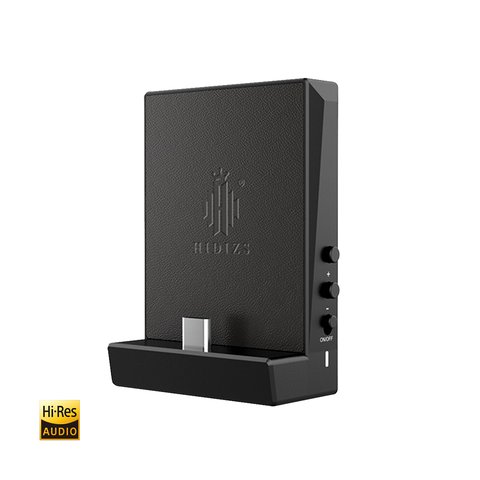
Core Specifications
- DAC chip: ESS ES9281C Pro
- Amplification: dual independent RT6863C op-amps
- Balanced output: up to 4Vrms via the 4.4mm jack
- Single-ended output: up to 2Vrms via the 3.5mm jack
- Format support: PCM up to 32-bit/384kHz, native DSD up to DSD128, full 8x MQA unfolding
- Internal battery: 1300mAh, letting it run independently rather than drawing continuously from your phone or laptop
- Dimensions: roughly 2.5 x 2 x 0.5 inches
- Weight: approximately 76 grams
- Connection type: USB-C input, compatible with Windows, Mac, iPad, Apple Lightning devices via adapter, and Android
Why the Built-In Battery Matters
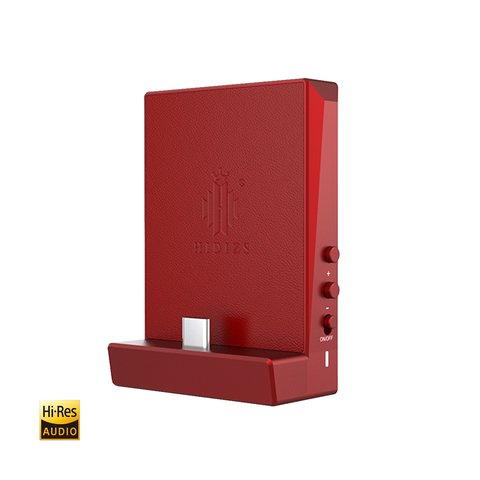
Most dongle DACs draw power directly from the connected phone or laptop, which can noticeably drain the host device’s battery during longer listening sessions. The DH80S sidesteps that by carrying its own 1300mAh cell, so it is powering the DAC and amp circuitry independently rather than pulling continuously from your phone. In practical testing over a few work-from-home days, I found this made a real difference on long video call days where I wanted background music without watching my laptop’s battery drop faster than usual.
Sound Character
The dual RT6863C op-amp setup gives the DH80S enough current to comfortably drive most IEMs and moderately demanding over-ear headphones without sounding strained. Tonally it leans slightly clean and neutral rather than warm, which pairs well with IEMs that already have a bass-forward tuning, since it does not pile additional warmth on top. Full MQA unfolding is a genuine selling point at this price point, something not every competing dongle DAC offers at all.
Setup Tips
- On Android, most devices recognize the DH80S automatically over USB-C without needing a separate driver install
- On iOS devices using a Lightning connector, you will need Apple’s own Lightning-to-USB-C camera adapter, since the DH80S itself uses a USB-C input
- On Windows, some playback software may require selecting the DH80S manually as the output device in your audio settings rather than relying on automatic detection
- Keep the DH80S charged separately via USB-C when not connected to a source, since its internal battery does deplete over time even when idle
Who Should Consider the DH80S
It is a strong option for listeners who want meaningfully better output than a phone’s headphone jack or a bare dongle, without stepping up to a full DAP or desktop stack, and who specifically value having an internal battery so their phone is not doing double duty. Full details and current listings are available on Hidizs’ official DH80 series page.
How It Handles Different Source Devices
I tested the DH80S across a phone, a laptop, and briefly a tablet, and the experience varied slightly depending on the platform. Android recognized it instantly without any extra steps, which is the smoothest experience of the three. Windows required a manual output selection the first time, after which it remembered the setting on subsequent connections without issue. The tablet pairing, done through a USB-C hub since the tablet itself only has one port shared with charging, worked but meant giving up simultaneous charging while listening, a minor inconvenience worth knowing about ahead of time rather than discovering mid-session.
Comparing the Value Proposition
Against a bare USB-C dongle costing a fraction of the price, the DH80S clearly justifies the gap through its internal battery, stronger balanced output, and MQA support. Against a full desktop DAC and amp stack, it obviously cannot compete on raw power or feature depth, but that comparison is not really fair given the size and portability difference. The more useful comparison is against other portable balanced DAC/amp combos in a similar price bracket, where the DH80S holds its own thanks to the combination of independent battery power and genuinely capable output specs rather than winning on any single spec alone.
Battery Life in Real Use
Hidizs does not headline a specific runtime figure for the DH80S the way DAP makers typically do, but across several days of moderate use, mixing an hour or two of listening with idle standby time in between, the 1300mAh cell comfortably carried me through a full workday of intermittent listening before needing a top-up. Heavier continuous use, particularly on the more power-hungry balanced output, will drain it noticeably faster, so treat the battery as a genuine convenience feature rather than an all-day guarantee regardless of how you are listening.
Troubleshooting Common DH80S Issues
- Windows doesn’t play sound through it: the DH80S sometimes needs to be manually selected as the output device in Windows sound settings rather than being picked up automatically. Once selected, Windows generally remembers the setting on future connections.
- No sound on an iPhone or iPad: confirm you’re using Apple’s official Lightning-to-USB-C camera adapter rather than a generic cable, since the DH80S requires a proper USB-C data connection rather than just power.
- Battery drains faster than expected: the balanced 4.4mm output pulls noticeably more current than the single-ended 3.5mm jack, so heavy balanced-output listening will deplete the 1300mAh cell faster than the runtime you might expect from casual use.
- Device won’t charge or turn on: avoid letting the internal battery sit fully drained for long periods, since deep discharges are harder on lithium cells. If it seems unresponsive, give it a longer charge session before assuming it has failed.
- Tablet loses charging capability while connected: if your tablet has only a single USB-C port, connecting the DH80S through it usually means giving up simultaneous charging unless you use a compatible USB-C hub with passthrough power.
Frequently Asked Questions
Does the DH80S drain my phone’s battery like a regular dongle?
No, it has its own 1300mAh internal battery, so it does not rely entirely on your phone’s power during use.
What is the difference between the DH80 and DH80S?
Both share the same core ESS9281C Pro DAC chip and similar output specs; check the specific listing for your unit, since minor feature differences between the two variants can affect things like included accessories or connector styles.
Does it support MQA?
Yes, it includes full 8x MQA unfolding.
Can I use it with an iPhone?
Yes, with Apple’s Lightning-to-USB-C adapter, since the DH80S itself uses a USB-C connection.
Maintenance Tips
A few small habits keep the DH80S running reliably over the long haul. Avoid letting the internal battery sit fully drained for extended periods, since deep discharges are harder on lithium cells than moderate top-ups. Keep the USB-C port free of lint, particularly if it travels loose in a bag rather than a dedicated case, and give the unit a full charge cycle every couple of months even during stretches where you are not using it regularly, just to keep the battery chemistry healthy.
Conclusion
The DH80S earns its slightly larger footprint compared to a bare dongle by offering genuine functional advantages: an independent battery, strong balanced output, and full MQA support. For anyone tired of watching their phone’s battery drain during long listening sessions, that tradeoff is well worth making.
Ryan tests portable DACs, amps, and IEMs on the same rotation of tracks every time to keep comparisons fair, and writes it all up at softwaredriverdownload.com.