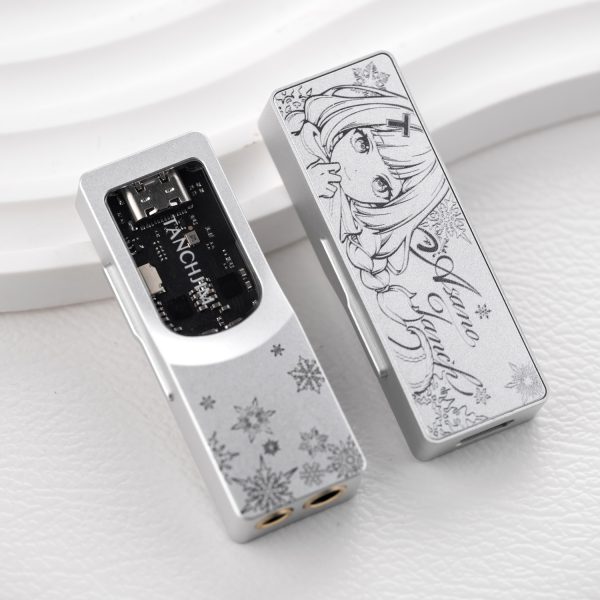
Tanchjim now has two portable dual-DAC dongle amplifiers in its lineup, the Luna and the Space Pro, and both share the same core DAC chipset. That overlap raises an obvious question for anyone shopping either one: what actually separates them, and is the newer Space Pro simply a replacement for the Luna, or a genuinely different tool? After running both side by side with the same pair of headphones and IEMs, the answer turned out to be more interesting than a straightforward generational upgrade.
Shared DNA: The Dual CS43198 Core
Both the Luna and the Space Pro are built around dual Cirrus Logic CS43198 DAC chips, which explains why their measured performance lands in a similar neighborhood on paper. Both support high-resolution PCM decoding and DSD256, and both offer 3.5mm single-ended plus 4.4mm balanced outputs from a USB-C input. If you only look at the DAC chip line on the spec sheet, the two look almost identical.
The real differences show up in the amplifier section and the feature set built around that shared DAC core, which is where Tanchjim clearly aimed the two products at different kinds of buyers.
Specifications Side by Side
| Spec | Tanchjim Luna | Tanchjim Space Pro |
|---|---|---|
| DAC chips | Dual CS43198 | Dual CS43198 |
| Amplifier | Class AB / Class H switchable | Dual ES8262 amplifier chips |
| Output power (32Ω) | 285mW balanced | Higher output ceiling, up to 618mW at 26Ω |
| Dynamic range / SNR | Approximately 132dB balanced | 131dB balanced |
| THD+N | Approximately 0.000139% balanced | Ultra-low, optimized for high SNR/DNR performance |
| Extra features | None beyond core DAC/AMP function | Tactical Perception gaming audio mode, virtual 5.1/7.1 surround, mic input |
| Outputs | 3.5mm single-ended, 4.4mm balanced | 3.5mm single-ended, 4.4mm balanced |
Power and Drivability
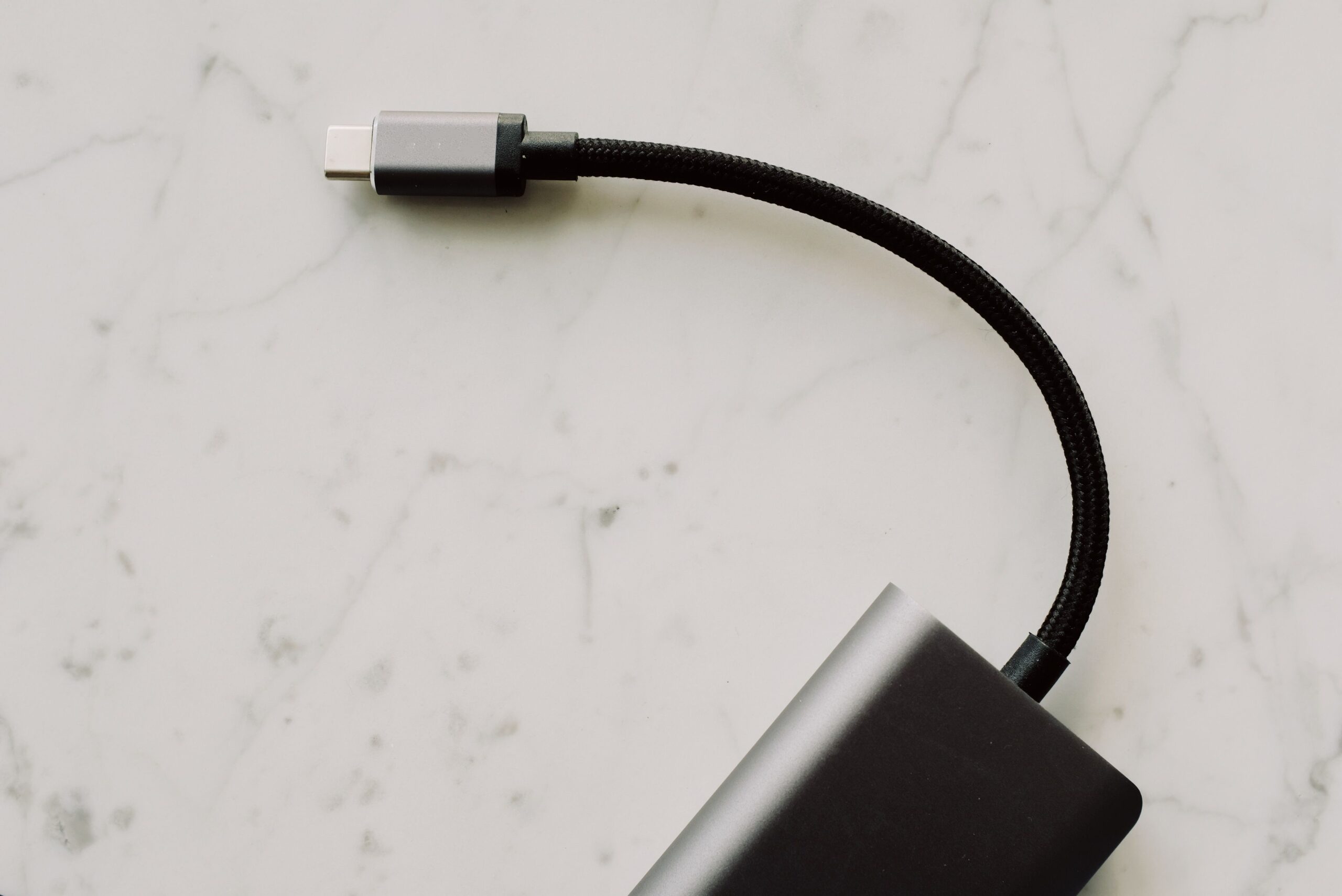
Both dongles are more than capable of driving typical IEMs without breaking a sweat, but the Space Pro is the clear choice if you regularly move between efficient IEMs and genuinely power-hungry over-ear headphones or planars. Its higher output ceiling gives it more headroom in those harder-to-drive scenarios. The Luna, with its switchable Class AB and Class H amplifier modes, focuses more on tone-shaping flexibility for a given load rather than maximizing peak output, which suits listeners who care more about tuning the amp’s character to a specific IEM than about raw driving power.
Feature Set: Music Purist vs Multi-Use Tool
This is where the two products diverge most clearly. The Luna is built as a straightforward, purist DAC/AMP: plug in, pick a gain or amp-class mode, and listen. There is no gaming mode, no surround processing, and no microphone input competing for design priorities. The Space Pro adds a dedicated Tactical Perception mode for tuning specific in-game audio elements like footstep and gunshot clarity, plus virtual 5.1/7.1 surround decoding and a microphone input, aimed squarely at gaming and streaming use cases in addition to music playback.
- Luna: cleaner, music-focused feature set with switchable amplifier classes
- Space Pro: broader feature set covering gaming, streaming, and music
- Both: same core dual-DAC chipset, balanced 4.4mm output, USB-C input
Which Should You Buy
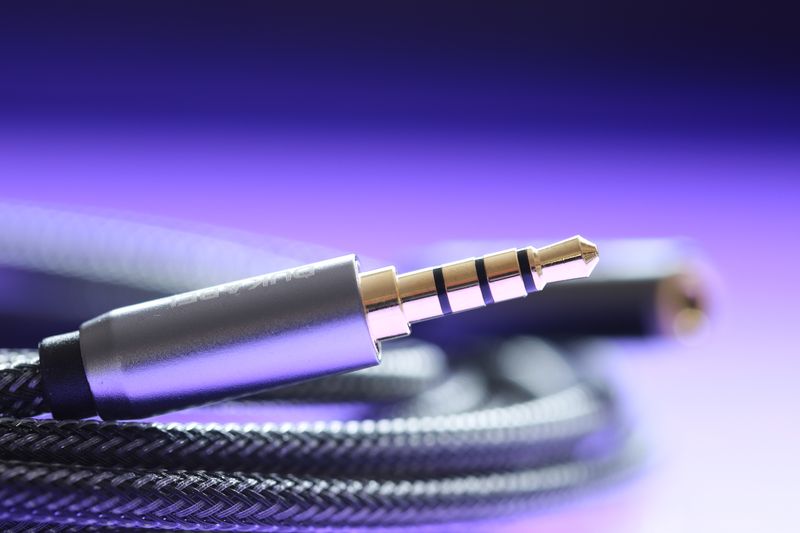
- Choose the Luna if you want a focused music-listening dongle with flexible amplifier class switching and do not need gaming-oriented extras.
- Choose the Space Pro if you split time between music and competitive gaming, or if you regularly drive harder-to-power headphones and want the extra output headroom.
- If you already own a Luna and are strictly a music listener, the Space Pro is not a mandatory upgrade, since the core DAC performance is close enough that the deciding factor is really the feature set, not raw fidelity.
For deeper measurement comparisons of both units, the writeup at Audio Science Review covers the Luna in detail, and Tanchjim’s own product listing has the full Space Pro specification sheet.
Troubleshooting Common Issues
Dongle DACs are simple devices, but a few setup issues account for most of the complaints owners run into with either the Luna or Space Pro:
- Phone doesn’t recognize the dongle: confirm your phone’s USB-C port supports USB Audio/OTG, since not every budget Android phone does. Try a different cable as well, since some USB-C cables are charge-only and carry no data lines.
- No sound, or distorted sound, through the 4.4mm balanced output: check that your cable is genuinely wired balanced end to end rather than just physically fitting a 4.4mm jack, since a mismatched cable can cause exactly this symptom.
- Space Pro runs warm during extended gaming sessions: some warmth is expected under sustained high output, but if it becomes uncomfortable to hold, lower the gain or volume rather than continuing at maximum output for hours.
- Tactical Perception mode isn’t showing up in the app: check for a firmware update through Tanchjim’s companion app, since this feature has received refinements through firmware updates after launch.
- Phone battery drains faster than usual with either dongle attached: harder-to-drive headphones pull more power through the dongle from your phone. Lowering the gain setting, or switching to a more efficient IEM for all-day carry, noticeably reduces the drain.
Frequently Asked Questions
Do the Luna and Space Pro use the same DAC chip?
Yes, both use dual Cirrus Logic CS43198 DAC chips, which is why their core measured performance is similar.
Which one has more output power?
The Space Pro has a higher power ceiling, rated up to 618mW at 26 ohms, making it better suited to harder-to-drive headphones.
Does the Luna have any gaming features?
No, the Luna is a straightforward music-focused DAC/AMP without the Tactical Perception gaming mode or surround decoding found on the Space Pro.
Is the Space Pro a direct replacement for the Luna?
Not exactly. They are positioned as different tools sharing a DAC core, with the Space Pro aimed at a broader use case including gaming, rather than a strict successor.
Conclusion
The Luna and Space Pro share enough DNA that neither one feels like a downgrade from the other, but they are built for different habits. The Luna keeps things simple and music-focused with flexible amp-class switching, while the Space Pro trades some of that simplicity for more raw output power and a genuinely useful gaming feature set. Pick based on how you actually plan to use the dongle day to day rather than assuming the newer release automatically replaces the older one.
Running both side by side for a few weeks reminded me why comparing sibling products from the same brand is often more useful than comparing across brands entirely, since it isolates real feature differences instead of house-sound preference.
Battery Impact and Daily Carry
Because the Space Pro is tuned for higher peak output, it tends to draw a bit more from a connected phone during sustained heavy use compared to the Luna, particularly when driving harder headphones at higher volumes. For short listening sessions the difference is not noticeable, but if you plan to use either dongle for a full workday of calls, gaming, and music without a break, it is worth keeping a power bank handy, especially with the Space Pro pushed toward its output ceiling.
Physically, both units are similar in size and pocket easily next to a phone, so carry comfort is not really a deciding factor between them. The decision comes down almost entirely to whether the extra output headroom and gaming feature set on the Space Pro are things you will actually use.